Best Time to Visit Kodaikanal: Clear Skies, Summer Festival and Rainy Months
Kodaikanal sits at about 2,100 metres in the Palani Hills, on the eastern side of the Western Ghats. That one fact gives it a different calendar from Ooty and Munnar: its heaviest rain comes in October and November, not in July.
The best time to visit Kodaikanal is February to May, when the hills are dry, the views from Coaker's Walk and Pillar Rocks are most often clear, and days stay around 20–22°C while Madurai below touches 40°C. April and May are the high season, with the summer festival and the flower show at Bryant Park late in May. Mid-December to January is a second good window: cold nights, sharp mornings and lower rates outside the Christmas week. June to September is mild and misty with moderate showers, and October to November is the wettest and least reliable time of year.
That last point surprises many travellers. Ooty, Munnar and Coorg get most of their rain from the south-west monsoon in June to August, but Kodaikanal faces the Tamil Nadu plains and takes the full force of the north-east monsoon from the Bay of Bengal. So a plan that works for Munnar in October can be a washout in Kodaikanal. This guide covers Kodaikanal alone: a month table, the two monsoons, the festival season, viewpoints by season, the ghat roads and e-pass, temple crowds nearby and traveller verdicts, checked as of November 2026. For the neighbouring hills, read our best time to visit Ooty and best time to visit Munnar guides.
Updated November 2026 by the Vibrant Holidays team, Ahmedabad.
Holiday packages for the places in this guide
Our latest matching packages on Vibrant Holidays — 1 to 10 nights. Every package can be customised for departure from your city.


Kodaikanal weather month by month
Day high and night low for Kodaikanal town, rounded. Mannavanur and Poombarai in the upper Palani Hills are a few degrees colder; Shenbaganur and the lower ghat are warmer. "Views" means how often the valley viewpoints are free of cloud.
| Month | Day / night | Rain | Views | Crowds and rates | Verdict |
|---|---|---|---|---|---|
| January | 18°C / 8°C | Light; tail of the north-east monsoon early in the month | Often clear | Busy at Pongal, otherwise moderate | Crisp, cold mornings; very good |
| February | 19°C / 8°C | Driest month | Clearest of the year | Low | Excellent and quiet |
| March | 21°C / 10°C | Very little | Clear, some haze late | Low to moderate | Excellent value |
| April | 22°C / 12°C | Evening thunder showers begin | Mostly clear mornings | Rising sharply after exams | Very good; book ahead |
| May | 22°C / 13°C | Pre-monsoon showers | Good mornings, cloud in the afternoons | Highest of the year | Summer festival; peak rates |
| June | 19°C / 13°C | Moderate showers | Patchy, mist rolling in | High early, then falling | Pleasant, green |
| July | 18°C / 12°C | Moderate; far less than Munnar or Coorg | Often misty | Low | Good for quiet, cool breaks |
| August | 18°C / 12°C | Moderate | Misty | Low; long weekend around 15 August | Good; waterfalls running |
| September | 18°C / 12°C | Moderate, rising late | Mixed | Low | Fair; good rates |
| October | 17°C / 11°C | Heavy; north-east monsoon arrives | Frequently clouded out | Busy at Pooja and Diwali holidays | Least reliable with November |
| November | 16°C / 10°C | Heaviest of the year | Often fogged in for days | Low | Only for rain lovers |
| December | 16°C / 9°C | Easing through the month | Improving | Christmas to New Year very busy | Good from mid-month |
Why Kodaikanal is wettest in October and November
The Palani Hills run east from the main Western Ghats like a spur, and Kodaikanal sits near their eastern edge, looking down over Dindigul and Madurai. Two consequences follow.
- South-west monsoon, June to September: the higher Ghats to the west catch most of this rain before it reaches Kodaikanal. The town gets regular drizzle, mist and some heavy days, but nothing like the downpours of Munnar or Coorg in July. Many Tamil Nadu families come up in these months for the cool and the green, and roads are usually fine.
- North-east monsoon, October to December: rain-bearing winds and depressions from the Bay of Bengal hit the eastern face of the hills directly. This is when Kodaikanal gets its heaviest rain, days of fog, overflowing streams and the occasional landslip on the ghat roads. Kodai Lake can rise over its banks after a cyclonic spell.
In practice, travellers who want a dependable view should avoid mid-October to early December, and those happy with misty, quiet hills can treat July and August as an underrated season. For the opposite pattern on the Kerala side, our best time to visit Kerala guide explains how the south-west monsoon dominates there.
Summer season, Kodai Vizha and the Bryant Park flower show
Every summer the Tamil Nadu tourism and horticulture departments hold the summer festival, Kodai Vizha, with the flower show at Bryant Park on the east side of the lake as its centrepiece. In 2026 the 63rd flower show opened on 20 May and closed on 31 May. Earlier years show the same pattern: the 60th began on 26 May 2023 and the 61st on 17 May 2024. Dates for 2027 are usually announced in late April or early May.
- What you see: lakhs of flowers in beds and shaped displays, vegetable and fruit sculptures, plus boat events on the lake, cultural evenings and a dog show during the festival days.
- The cost: the highest hotel rates of the year, full weekends, slow traffic around the lake and long queues at Pillar Rocks and the Guna Caves viewpoint.
- How we plan it: arrive on a weekday, visit Bryant Park at opening time, and keep the afternoon for the quieter upper Palani villages. Book rooms by March if your dates are fixed to the festival.
- Fruit season: late May and June bring Kodaikanal plums, pears and peaches to the market near the bus stand, alongside the town's homemade chocolates and eucalyptus oil.
If the flower show is not the point of the trip, February and March give the same clear days at a fraction of the crowd. For other cool places in that month, see our best places to visit in May in India guide.
Viewpoints, walks and lakes by season
| Place | Best months | Season notes |
|---|---|---|
| Kodai Lake: boating, cycling, the 5 km walk | All year, early mornings | Boating can stop in heavy rain; cycles and horses are hired on the lake road |
| Coaker's Walk | December to April | On clear mornings you see down to the plains and, on the best days, Madurai; in the monsoons you often look into a wall of cloud |
| Pillar Rocks | January to May, before 10 am | The three granite columns are hidden by cloud on many days from June to December |
| Guna Caves (Devil's Kitchen) | Dry months | Viewed from a fenced path only; the gullies are closed. Very crowded since the 2024 film revived interest; go early |
| Dolphin's Nose and Vattakanal walk | January to April | Steep, rocky path that turns slippery and leech-prone in the rains |
| Berijam Lake and the forest circuit | February to May; September | Forest-department permit with a limited number of vehicles a day; closes on some days and in fire or heavy-rain spells, so we check the evening before |
| Poombarai and Mannavanur | December to April | Terraced garlic fields, the Kuzhanthai Velappar temple, grasslands and the sheep farm near Mannavanur lake; the coldest part of the trip |
| Bear Shola and Silver Cascade falls | July to January | Silver Cascade on the ghat is fullest after the north-east monsoon; Bear Shola is often a trickle by April |
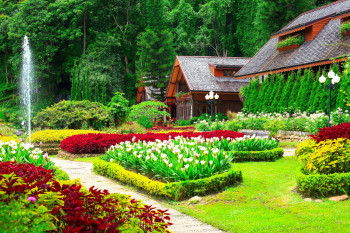
| Bryant Park and Chettiar Park | March to June | Gardens at their brightest around the flower show |
February to April is also the fire-risk season in the forests around Berijam and the upper slopes. Trails and the forest circuit are sometimes shut at short notice after a fire, which is one more reason to keep a flexible day.
Winter in Kodaikanal: December to February
Kodaikanal is a little lower and less exposed than Ooty, so its winter is cold rather than freezing. Town nights usually fall to 7–9°C in January and February; Mannavanur and the open grasslands can approach 2–3°C, with light ground frost in some years. Days are sunny and around 18–20°C, which makes winter the most comfortable time for long walks.
- Christmas to New Year: one of the two busiest weeks of the year, with families from Chennai, Bengaluru and Kerala; rates rise and lakeside traffic slows.
- Pongal (mid-January): a Tamil Nadu holiday weekend that fills the town for three or four days.
- Late January to February: the quietest good-weather weeks. Mornings are misty for an hour and then clear for the day.
Pack a proper jacket, cap and socks for early mornings and evenings. Many hotels in the town have no central heating; ask for a heater or extra blankets when booking.
Kurinji: the twelve-year flower of the Palani Hills
The Kurinji shrub (Strobilanthes kunthiana) flowers in a mass bloom roughly once every twelve years and turns the grassy slopes violet-blue for a few weeks, usually between August and October. The last mass bloom in the Kodaikanal hills was in 2018, so the next is expected around 2030. In other years small patches bloom here and there, but not the sweeping colour.
The flower is central to local tradition. The Kurinji Andavar temple, a Murugan shrine about 3 km from the lake, takes its name from it, and on a clear day its terrace looks towards Palani. When a mass bloom is confirmed, rooms for the bloom weeks sell out quickly; we will update this guide when forest officials announce it.
Getting up the hill in each season: ghats, e-pass and trains
- From Madurai airport: about 120 km, 3 to 3½ hours by car via Batlagundu and the main ghat road. This is the usual route and the best maintained.
- By train: Kodai Road station, about 80 km and 2 to 2½ hours below the town, is on the Chennai – Madurai line; Palani station, about 65 km away, has the second ghat road. Overnight trains from Chennai Egmore reach Kodai Road in the early morning.
- From Coimbatore: about 170 km, 4½ to 5 hours via Palani, useful when combining with Ooty or Coorg.
- Monsoon roads: in October and November landslips occasionally block one of the two ghats for hours or days; drivers switch to the other. We avoid night drives up the hill in these months.
- E-pass: since May 2024, tourist vehicles entering Kodaikanal need a free e-pass from the Tamil Nadu government portal, and in the April to June 2025 summer season it came with daily caps of 4,000 vehicles on weekdays and 6,000 at weekends. Train and government bus passengers do not need one. As of November 2026 the e-pass is still in force as far as we can see; whether caps return for summer 2027 is not yet known, so we check before you book and arrange the pass for our cars. A green tax is also collected at the checkpost.
Temple festivals nearby that change the crowds
Kodaikanal is often combined with Madurai and Palani, and their festivals affect roads, rooms and darshan times more than the weather does.
| Festival | When | Effect on a Kodaikanal trip |
|---|---|---|
| Thaipusam at Palani Murugan temple | Tamil month of Thai, late January or early February | Lakhs of pilgrims walk to Palani; the Palani ghat and town are very crowded for about a week; use the Batlagundu road |
| Panguni Uthiram at Palani | March or April | Another large pilgrimage; plan the Palani darshan on a different day |
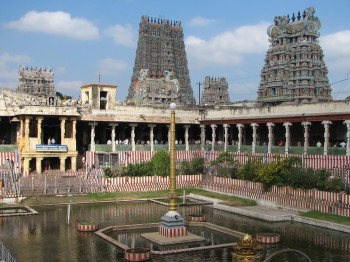
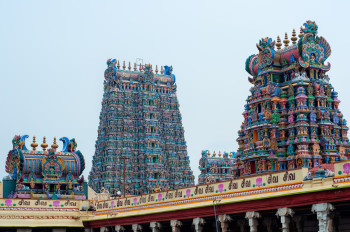
| Chithirai festival, Meenakshi Amman temple, Madurai | April or May | Madurai hotels fill and the old city is closed to traffic on the main days; spectacular if you plan for it |
| Pongal | Mid-January | Holiday crowds in Kodaikanal itself |
| Navaratri and Diwali | October to early November (Diwali 2027 around 29 October) | Holiday crowds that coincide with the wettest weeks |
Exact lunar dates are fixed by the temples closer to the time; we confirm them when we plan your days.
Kodaikanal, Ooty or Munnar: which hill in which month
| Months | Kodaikanal | Ooty | Munnar |
|---|---|---|---|
| January to March | Clear, cold nights, quiet | Frosty dawns, clear | Clear; Eravikulam closed in February and March |
| April to May | Peak season, flower show | Peak season, flower show | Busy, pleasant |
| June to September | Mild, misty, moderate showers | Monsoon, cool, toy train runs | Heavy monsoon |
| October to November | Wettest; often fogged in | North-east monsoon, toy train landslips | Green, rain fading |
| December | Improving from mid-month | Cold, clear | Cold, clear |
Kodaikanal is the one to choose for a quieter, lakeside hill holiday with easy walking, or as the hill stop on a temple circuit through Madurai, Rameswaram and Kanyakumari. There is no direct tourist road over the hills to Munnar; the drive runs down through Theni and Bodinayakanur and takes 5 to 6 hours.
Best time to visit Kodaikanal by type of traveller
| Traveller | Best months | Why | Think twice about |
|---|---|---|---|
| Honeymoon couples | February to March; mid-December to January | Clear views, cold evenings by a fireplace, fewer people | The May festival crowds |
| Families with children | April to early June | School holidays, boating, cycling, the flower show | Peak rates; book early |
| Parents above 60 | February to April | Mild days, dry paths, short drives | Cold January nights; slippery steps in the rains |
| Photographers | January to March; one or two clear days after the monsoon | Valley views, sharp light, mist in the morning only | Fog from mid-October to November |
| Walkers and nature lovers | January to April | Dry trails at Vattakanal and around Mannavanur | Forest fire closures late in the dry season |
| Rain and mist lovers | July to September | Green, quiet, cheaper, roads mostly fine | Viewpoints often clouded |
| Pilgrims combining Palani and Madurai | February to March | Good weather before the summer rush | Thaipusam week at Palani |
For travellers from Gujarat: food, holidays and pacing
- Vegetarian food: Kodaikanal is easy for vegetarians. South Indian vegetarian restaurants line the bazaar, and in season several places serve North Indian dishes and simple thalis. Hotels prepare Jain food on request, without onion, garlic or root vegetables, and we confirm it in writing; on the Poombarai and Berijam day carry snacks, as stops are few.
- Chocolate and plums: the homemade chocolates sold all over town often contain milk solids and sometimes egg in fillings; ask before buying for Jain family members.
- Gujarat holidays: the summer break (3 May to 6 June 2027 in the 2026–27 school calendar) falls right in the peak and festival weeks, so book by February. Diwali in late October falls in Kodaikanal's wettest weeks; for a Diwali hill break, Munnar or Coorg are usually drier.
- Getting there: from Ahmedabad there are usually one-stop flights to Madurai via Mumbai, Bengaluru or Chennai; we time the drive so you reach the hill before dark.
- Pacing for seniors: two nights in Madurai and two or three in Kodaikanal break the 3-hour ghat drive and leave time for the Meenakshi temple darshan.
How many days, and what to pair with Kodaikanal
Two nights cover the lake, Coaker's Walk, Pillar Rocks, Bryant Park and the Kurinji Andavar temple. Three nights add a full day to Poombarai, Mannavanur and Berijam, and leave room for a cloudy morning. In October and November, plan an extra night if the views matter to you.
- Madurai and Kodaikanal: 5 nights, the most popular pairing, best from January to April.
- Madurai, Kodaikanal, Rameswaram and Kanyakumari: 7 to 8 nights for a temple and hill circuit.
- Kodaikanal and Munnar: 6 nights across two different hill calendars, best from January to March.
- Kodaikanal with Ooty and Coorg: 8 to 9 nights by road through Coimbatore; see our best time to visit Coorg guide for that leg.
How we plan Kodaikanal around the season
- Viewpoints in the morning in every month, before cloud builds from the plains.
- Festival-aware dates: weekdays for the flower show, Palani darshan away from Thaipusam, Madurai planned around Chithirai.
- Monsoon safeguards: daytime ghat drives, a spare night in October and November, and the e-pass arranged for our cars.
- Private and customised: your own dates, your own car and driver from Madurai or Coimbatore; families travel as a private group on their own schedule.
- 11 years of planning holidays from our C G Road office in Ahmedabad, booked on WhatsApp or phone, with 24×7 support during the trip. IATA-accredited; member of TAAI, TAFI, ADTOI and IATO; recognised by the Ministry of Tourism, Government of India.
See itineraries with live prices on our South India tour packages page, compare with our Kerala tour packages from Ahmedabad, or browse all holiday guides.
Plan your trip with Vibrant Holidays
Tell us your dates, budget and who is travelling. We reply with a day-wise plan and a clear price, usually the same day.
Get a Free Quote WhatsApp 9089090790Best Time to Visit Kodaikanal: FAQs
Which is the best month to visit Kodaikanal?
February and March are the best months for most travellers: dry, clear views from Coaker's Walk and Pillar Rocks, cool days and low crowds. April and May are also pleasant and bring the summer festival, but they are the busiest and costliest weeks. Mid-December to January is good if you enjoy cold nights.
Which month has the most rain in Kodaikanal?
October and November. Unlike Ooty or Munnar, Kodaikanal faces the Tamil Nadu plains and takes the north-east monsoon head on, so these months bring the heaviest rain, days of fog and occasional landslips on the ghat roads. June to September is milder, with moderate showers and mist rather than heavy downpours.
When is the Kodaikanal flower show?
It is held every summer at Bryant Park during the summer festival, in the second half of May. In 2026 the 63rd flower show ran from 20 to 31 May. Dates for 2027 are usually announced in late April or early May. Go on a weekday morning to avoid the heaviest crowds and lakeside traffic.
Is Kodaikanal good to visit in the monsoon?
July to September is a good quiet season: mild, green, misty and cheaper, with roads usually open, though viewpoints are often clouded. October and November are different, as the north-east monsoon brings the year's heaviest rain and fog. Choose the first if you like rain; avoid the second if views matter.
How cold is Kodaikanal in December and January?
Days are about 16 to 18°C and sunny, while town nights drop to about 7 to 9°C. Mannavanur and the open grasslands can fall to 2 or 3°C, with light frost in some years. A warm jacket, cap and socks are needed for mornings and evenings, and hotel heaters are worth asking for.
Do I need an e-pass to visit Kodaikanal?
Yes, if you drive in. Since May 2024 tourist vehicles need a free e-pass from the Tamil Nadu government portal, and summer 2025 had daily caps of 4,000 vehicles on weekdays and 6,000 at weekends. Train and government bus passengers are exempt. As of November 2026 we check the rules before each booking and arrange the pass for our cars.
When will the Kurinji bloom next in Kodaikanal?
The Kurinji flowers in a mass bloom about once every twelve years. The last one in the Kodaikanal hills was in 2018, so the next is expected around 2030, usually between August and October. Small patches flower in other years. The Kurinji Andavar temple near the town is named after the flower.
Is Kodaikanal good for a honeymoon?
Yes, especially from February to March and from mid-December to January, when evenings are cold, views are clear and the town is quieter than in May. Lakeside or valley-view rooms with a fireplace suit couples. Avoid the summer festival weeks for privacy and value, and pair it with Munnar for a week.
Which is better in May, Ooty or Kodaikanal?
Both are at their busiest, with flower shows in the second half of May. Ooty is higher and has the toy train; Kodaikanal is smaller, built around its lake, and easier to reach from Madurai. Kodaikanal's viewpoints are usually clearer in May mornings. Either works; book rooms and cars well ahead.
How do I reach Kodaikanal, and how far is the airport?
The nearest airport is Madurai, about 120 km or 3 to 3½ hours by road. Coimbatore is about 170 km away. The nearest railway station is Kodai Road, about 80 km below the town, with overnight trains from Chennai; Palani station is about 65 km. From Ahmedabad, most travellers fly to Madurai with one stop.
How many days are enough for Kodaikanal?
Two nights cover the lake, Coaker's Walk, Pillar Rocks, Bryant Park and the Kurinji Andavar temple. Three nights add Poombarai, Mannavanur and Berijam Lake. Add a spare night in October and November, when fog can hide the views. With Madurai, five nights make a comfortable first trip.
