Best Time to Visit Malaysia: Which Coast, Which Month
Kuala Lumpur is warm and showery every month, but the islands are not. Two monsoons decide which coast you can enjoy, and a handful of festivals decide how busy it will be.
The best time to visit Malaysia depends on which side of the peninsula you want. For Kuala Lumpur, Langkawi and Penang, the most comfortable months are December to March, when the west coast has its driest weather and the Andaman Sea around Langkawi is calm. For the east-coast islands of Perhentian, Redang and Tioman, the season is the opposite: April to September, because from about November to February the north-east monsoon brings rough seas and most island resorts close. Kuala Lumpur itself can be visited in any month; it is hot and humid all year, with short, heavy afternoon storms.
For Indian travellers, the weather is only half of the decision. Thaipusam at Batu Caves, Deepavali in Brickfields, Chinese New Year and Hari Raya all change crowds and prices; Malaysian and Singaporean school holidays fill Genting and Langkawi; and smoke from fires in Indonesia can bring haze in some dry seasons. There is also a date to watch: Malaysia's visa exemption for Indians runs until 31 December 2026, and as of 17 November 2026 no extension into 2027 has been announced. This guide covers each of these with dates checked this month. For the money side, see our Malaysia trip cost from India guide.
Updated November 2026 by the Vibrant Holidays team, Ahmedabad.
Holiday packages for the places in this guide
Our latest matching packages on Vibrant Holidays — 2 to 11 nights. Every package can be customised for departure from your city.
Two monsoons, two coasts: how Malaysia weather works
Malaysia is close to the equator, so temperatures barely change: about 31–33°C by day in the lowlands every month, and about 18–24°C in Genting and the Cameron Highlands. What changes is the rain, and it comes from two directions.
| Season | Months | Where it rains most | Where it is better |
|---|---|---|---|
| North-east monsoon | About November to March | East coast of the peninsula (Kelantan, Terengganu, Pahang coast, east Johor), and Sabah and Sarawak on Borneo | Langkawi, Penang and the west coast, which are sheltered and at their driest from December to March |
| First inter-monsoon | About April | Afternoon thunderstorms on the west coast, including Kuala Lumpur | East-coast islands reopening, seas calming |
| South-west monsoon | About May to September | Milder; scattered showers on the west coast; Langkawi gets wetter from August | East-coast islands at their best; generally drier weather across the peninsula |
| Second inter-monsoon | About October to November | Heavy afternoon rain on the west coast, the wettest weeks in Kuala Lumpur and Penang | Indoor sights and city breaks |
Rain in Malaysia rarely lasts all day on the west coast. A typical wet-season day starts sunny, clouds build after lunch, a storm of an hour or two follows, and the evening is clear. Plans are easy to adjust: outdoor sights in the morning, malls, museums and aquariums in the afternoon.
Malaysia month by month, region by region
| Month | Kuala Lumpur and Genting | Langkawi | Penang | Perhentian, Redang, Tioman | Sabah (Kota Kinabalu) | Verdict |
|---|---|---|---|---|---|---|
| January | Fewer storms; Thaipusam 22 January 2027 | Dry, calm sea | Dry | Closed or very limited | Wet | Excellent for the west coast |
| February | Chinese New Year 6–7 February 2027; Ramadan begins | Driest month | Dry; CNY celebrations in George Town | Mostly closed; some reopen late in the month | Drying out | Excellent; CNY week busy |
| March | Hot; Hari Raya 10–11 March 2027 | Dry, hot | Hot | Resorts reopening | Improving | Very good; Raya week busy on the roads |
| April | Afternoon storms | Showers begin | Afternoon storms | Season opens, calm water | Good | Good; best start for the east coast |
| May | Hot, humid; Genting busy | Mixed | Mixed | Very good for snorkelling | Good; Kinabalu climbing season | Good; Indian summer vacation crowds |
| June | Warm; Malaysian school break | Mixed | Mixed | Excellent | Good | Good; east coast at its best |
| July | Warm; haze possible in dry years | Mixed | Mixed | Excellent | Good | Good; check haze news |
| August | National Day 31 August | Wetter, rougher sea | Showers | Very good | Good | Good for the east coast; weaker for Langkawi |
| September | Showers; haze possible | Wet | Wet | Good; season winding down | Fair | Fair; low prices |
| October | Heavy afternoon storms; Deepavali 28 October 2027 | Wet | Wettest month | Closing late in the month | Wet | Fair; Deepavali in Brickfields is the highlight |
| November | Wet; indoor sights | Improving late in the month | Wet | Closed | Wet | Budget month; weakest for beaches |
| December | Rain easing; Christmas lights on Bukit Bintang | Dry season begins | Drying | Closed | Wet | Very good, but 20 December to 2 January is the most expensive fortnight |
Festival dates are from Malaysia's official 2027 public holiday list as circulated in August 2026; the dates for Hari Raya, Hari Raya Haji and Deepavali are marked "subject to change" and can move by a day.
East-coast islands: the monsoon closure
Perhentian, Redang, Lang Tengah, Kapas and Tioman are the clearest-water islands in Peninsular Malaysia, but they work only in their season. During the north-east monsoon, waves make the boat crossings unsafe on many days, and the authorities close the tourist jetties.
- What happened this season: as of early November 2026, about nine in ten of the 80-plus places to stay on Perhentian had shut since late October, after the Kuala Besut tourist jetty was closed for the monsoon. A few village homestays stay open, but boats run only when the sea allows.
- Typical pattern: Perhentian and Redang resorts close from about November to February or early March; Tioman, further south, stays partly open, but ferries are fewer and the sea can be rough. Most resorts reopen in March and the water is calm and clear from April.
- The best months: April to September for snorkelling and diving, with June to August the calmest. Avoid late October to February entirely for these islands.
- If you must travel in December or January: choose Langkawi, Penang or the Pangkor and Port Dickson coast on the west side instead, or the islands off Krabi and Phuket in Thailand, which share Langkawi's dry season.
Getting to the east-coast islands from India usually means a domestic flight from Kuala Lumpur to Kota Bharu or Kuala Terengganu, a road transfer and a boat, so they add one full day each way. For a first trip from India, most families choose Langkawi or Penang for the beach part, and we keep the east coast for a second trip in the summer months.
Langkawi and Penang: the west-coast season
Langkawi: December to March is the clear winner
Langkawi has its calmest sea and bluest sky from December to March, which is when island-hopping boats, mangrove trips and sunset cruises run reliably and the SkyCab views over the Andaman Sea are clearest. From May the weather becomes mixed, and from August to October rain and rougher water can cancel boat trips. It stays a pleasant destination even then, but plan Langkawi as a beach stop only in the dry months.
Penang: dry early in the year, wettest in October
George Town is a food and heritage city first, and it works in most months. December to March is driest. Chinese New Year turns the old town red with lanterns and fills the Kek Lok Si temple, and Thaipusam is celebrated with a large chariot procession to the hilltop temple. September and October are the wettest months, when afternoon storms are heavy and the Penang Hill views are often cloudy.
Genting and the Cameron Highlands: cool all year
At about 1,800 m, Genting is 10 degrees cooler than Kuala Lumpur in any month. It is often in cloud, and rain can close the outdoor rides for a few hours. Weekends, Malaysian school holidays and Chinese New Year bring the biggest crowds, so we put Genting on a weekday wherever the plan allows.
The haze season: what it is and when it comes
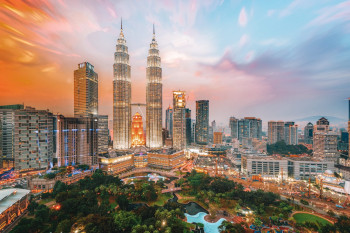
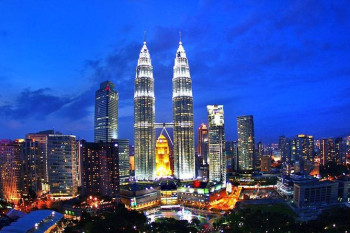
In some years, smoke from land and forest fires in Sumatra and Kalimantan drifts over Malaysia during the dry south-west monsoon, usually between July and October. It is not every year and not every week, but when it comes it can turn the sky grey, hide the Petronas Towers from Batu Caves and raise air pollution readings to unhealthy levels.
- 2026: haze arrived after a dry spell from late July; in mid-August the Malaysian Meteorological Department expected it to last until late September. Sarawak was worst hit, and parts of the Klang Valley also recorded unhealthy readings on some days.
- Who should take care: young children, seniors and anyone with asthma or heart or lung conditions. Keep a few N95 masks and check the official Air Pollutant Index before outdoor plans.
- What to do if it is hazy: swap outdoor plans for Aquaria KLCC, the National Museum, Petronas Gallery and the malls, or move the beach days to Langkawi, which is often clearer.
- How to avoid it: December to May is generally haze-free. If you travel between July and October, we check the forecast in the week before departure.
Festivals and public holidays in 2027
| Festival | 2027 date | What it means for your trip |
|---|---|---|
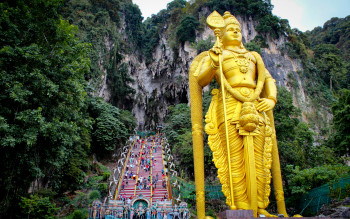
| Thaipusam | 22 January | Hundreds of thousands of devotees climb the 272 steps to the Batu Caves temple carrying kavadi and milk pots; the procession from KL starts the evening before. Extraordinary to witness, but very crowded: go with a guide, start early and leave children with a family member if they are small. |
| Chinese New Year | 6–7 February | Lanterns and lion dances in KL, Penang and Melaka; some Chinese-run shops and eateries close for two or three days; Genting and highway traffic heavy |
| Ramadan | About 8 February to 9 March | Food bazaars every evening; restaurants, malls and sights open as usual; Indian and Chinese eateries unaffected |
| Hari Raya Aidilfitri | 10–11 March | Malaysians travel home; KL is quiet but highways and domestic flights full; some shops shut |
| Hari Raya Haji | 17 May | Public holiday; short break |
| Wesak Day | 20 May | Buddhist temple processions, especially in KL and Penang |
| National Day and Malaysia Day | 31 August and 16 September | Parades and fireworks in KL |
| Deepavali | 28 October | National holiday; Brickfields Little India is lit up, with festive sweets and Indian restaurants busy |
Dates for Hari Raya Aidilfitri, Hari Raya Haji and Deepavali are listed as subject to change, as of November 2026. Note that Malaysian Deepavali falls one day before the Indian Diwali date in 2027 (about 29 October), which works well for families who want to spend the festival abroad.
School holidays that fill Malaysian resorts
Malaysia's Ministry of Education had not published the 2027 school calendar as of November 2026. In recent years the longest break has run from mid-December into early January, with shorter breaks around Hari Raya and in late May or June. Singapore's school holidays in June and from mid-November to December also send many families to Genting, Melaka and Langkawi. These periods raise hotel rates and make weekend crowds heavier.
Indian holidays, flights and the 2027 visa question
- Summer vacation (May to early June): the most popular time for Indian families. Kuala Lumpur and Genting work well; the east-coast islands are in season; Langkawi and Penang have mixed weather. Haze is unusual this early.
- Diwali (about 29 October 2027): Deepavali the day before in Malaysia makes this a festive week to be in KL, though it is also the wet inter-monsoon period. Plan indoor sights for afternoons.
- Christmas and New Year: good weather on the west coast and Langkawi, but the most expensive fortnight of the year. Book by September.
- Uttarayan and January breaks: January is one of the driest months on the west coast and a good-value time after New Year.
- Flights: Kuala Lumpur has non-stop flights from several Indian metros, and AirAsia restarted its Ahmedabad–Kuala Lumpur service from 25 October 2026, as listed on our Malaysia from Ahmedabad page. Fares rise sharply in May, Diwali week and late December.
Visa status for 2027 travel
As of 17 November 2026, Indian passport holders can enter Malaysia without a visa for up to 30 days under an exemption valid until 31 December 2026, with the Malaysia Digital Arrival Card filed online within three days before arrival. We have not found any announcement extending the exemption into 2027. The last extension was announced in December 2024, only days before the earlier deadline, so a late decision is possible. For trips on or after 1 January 2027, plan for both outcomes: keep flights and hotels changeable, and be ready to apply for an eVISA if the exemption lapses. Our Malaysia visa for Indians guide is updated as soon as an official notice appears. We prepare and submit any visa application needed; approval is the decision of the Malaysian authorities.
Best time to visit Malaysia by traveller type
| Traveller | Best months | Why | Think twice about |
|---|---|---|---|
| First-time families | December to March; May to June | KL and Genting plus Langkawi in the dry season, or school-vacation timing | The year-end fortnight prices; Genting weekends |
| Parents above 60 | January to March | Driest west-coast weather, fewer storms to dodge | Thaipusam crowds and the Batu Caves steps |
| Honeymoon couples | January to March for Langkawi; June to August for Redang or Perhentian | Calm seas and clear water on the right coast | East-coast islands from November to February |
| Snorkellers and divers | April to September on the east coast; Sipadan in Sabah from April to October | Best visibility and calm crossings | Monsoon closures |
| Food lovers | Chinese New Year in Penang; Ramadan bazaars in KL | Festive food at its most varied | Some stalls closing over the CNY days |
| Festival seekers | 22 January for Thaipusam; 28 October for Deepavali | The largest Hindu festivals outside India | Booking late; rooms near Batu Caves and Brickfields fill |
| Budget travellers | September to November, outside Deepavali | Lower hotel rates and airfares | Afternoon rain and possible haze |
What to pack, and how we plan around the season
- Every month: light cotton clothes, a compact umbrella, sandals that can get wet, sunscreen, mosquito repellent, and a light jacket for chilly malls and Genting.
- Temples and mosques: shoulders and knees covered; robes are lent at the National Mosque and some other sites.
- July to October: a few N95 masks in case of haze.
- Batu Caves at Thaipusam: comfortable shoes, water, and a small bag only.
- Dry-season classic (December to March, 6–7 nights): Kuala Lumpur, a day at Genting, then three nights in Langkawi.
- Summer islands (April to September): Kuala Lumpur plus Redang or Perhentian, with Langkawi swapped out.
- Festival trip: KL around Thaipusam or Deepavali, with Penang or Melaka added.
- Wet-season value (September to November): KL, Melaka and Penang heritage, with an indoor plan for afternoons.
- Private and customised: your own dates, private transfers, hotels chosen for location; families and friends travel as a private group on their own schedule.
- Vegetarian and Jain meals requested in writing; Kuala Lumpur and Penang have many Indian vegetarian restaurants, while choices are thinner on the islands, and we say so.
- 11 years of planning holidays from our C G Road office in Ahmedabad; trips are planned by our team there and booked on WhatsApp or phone, with 24×7 support on tour. IATA-accredited; member of TAAI, TAFI, ADTOI and IATO; recognised by the Ministry of Tourism, Government of India.
See itineraries with live prices on our Malaysia tour packages page. Many families combine Malaysia with Singapore; our best time to visit Singapore guide covers that side, and best time to visit Thailand helps if you are comparing beaches. All our seasonal guides are on the holiday guides page.
Plan your trip with Vibrant Holidays
Tell us your dates, budget and who is travelling. We reply with a day-wise plan and a clear price, usually the same day.
Get a Free Quote WhatsApp 9089090790Best Time to Visit Malaysia: FAQs
Which is the best month to visit Malaysia?
For Kuala Lumpur, Langkawi and Penang, January to March are the best months, with the driest weather and calm seas on the west coast. For the east-coast islands such as Redang and Perhentian, June to August is best. Kuala Lumpur can be visited all year, with short afternoon storms in most months.
What is the rainy season in Malaysia?
It depends on the coast. The east coast and Borneo get the north-east monsoon from about November to March. The west coast, including Kuala Lumpur and Penang, has its wettest weeks in the inter-monsoon periods, around April and October to November. Langkawi is wettest from August to October. Rain usually falls as afternoon storms.
Are Perhentian and Redang open in December?
Mostly not. From about November to February the north-east monsoon makes crossings rough and the tourist jetties close. As of early November 2026, about nine in ten places to stay on Perhentian had shut for the season. Most resorts reopen around March, and April to September is the time to go. In December choose Langkawi or Penang.
When is the best time to visit Langkawi?
December to March. The Andaman Sea is calm, island-hopping and mangrove boats run reliably, and the skies are clearest for the SkyCab. April to July is mixed but still pleasant. From August to October rain and rough water can cancel boat trips, so Langkawi is better as a short stop then.
When is Thaipusam at Batu Caves in 2027?
Thaipusam falls on 22 January 2027, a public holiday in Selangor and Kuala Lumpur, as listed in Malaysia official 2027 holiday calendar. The procession from central Kuala Lumpur reaches Batu Caves through the night before. It is one of the largest Hindu gatherings outside India, very crowded, and best seen with a guide early in the morning.
When is Deepavali in Malaysia in 2027?
Deepavali is listed on 28 October 2027, marked subject to change, one day before the Indian Diwali date of about 29 October. It is a national holiday except in Sarawak. Brickfields in Kuala Lumpur is decorated and full of festive shopping, and Indian restaurants serve special menus. Book hotels early for that week.
Is Malaysia good to visit during Ramadan?
Yes. In 2027 Ramadan is expected from about 8 February to 9 March. Attractions, malls and restaurants open as usual, and evening Ramadan bazaars are a highlight. Indian and Chinese eateries are not affected. The busier time is Hari Raya on 10 and 11 March 2027, when Malaysians travel home and highways and domestic flights fill.
When is haze season in Malaysia?
Haze can occur in dry years between about July and October, when smoke from fires in Indonesia drifts across. In 2026 it began after a dry spell in late July and was expected to last until late September, worst in Sarawak. December to May is generally clear. Travellers with asthma should carry N95 masks in those months.
Is Malaysia visa-free for Indians in 2027?
Not yet confirmed. As of 17 November 2026 the visa exemption for Indians runs until 31 December 2026, and no extension into 2027 has been announced. The previous extension came only days before its deadline. For 2027 trips, keep bookings flexible and be ready for an eVISA. We prepare and submit applications; approval rests with Malaysian immigration.
Is May a good time to visit Malaysia with family?
May works well for Kuala Lumpur, Genting and the east-coast islands, which are in season. Langkawi and Penang have mixed weather with some showers. It is the main Indian school-vacation month, so airfares rise; book by February. Haze is uncommon in May, and Hari Raya Haji on 17 May 2027 is only a short break.
What is the best time to visit Malaysia and Singapore together?
February to April and June to August are good for a combined trip, with workable weather in both and fewer holiday crowds than December. Avoid Chinese New Year week if you want shops and food stalls open, and note Singapore school holidays in June and late November to December, when both countries are busier.
