Best Time to Visit Sikkim: Month by Month, Valley by Valley
Gangtok is pleasant most of the year; what changes is the view of Kanchenjunga, the snow on the high passes and whether the roads to Lachung and Lachen are open. Here is what each month really brings.
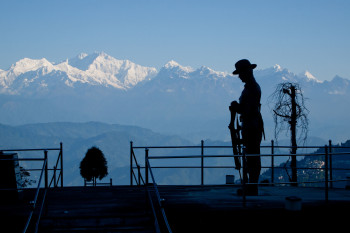
The best time to visit Sikkim is October to mid-December for clear mountain views, and March to May for flowers and mild weather. In autumn the monsoon haze has washed out of the sky, Kanchenjunga is visible from Gangtok, Pelling and Darjeeling on most mornings, and the roads to Tsomgo Lake and North Sikkim are at their most dependable. In spring the rhododendrons bloom, first in the forests of West Sikkim and then in the Yumthang valley, and the days in Gangtok are a comfortable 18–22°C. For snow, come between late December and March, accepting that the same snow can shut Nathu La or Zero Point for a day or two.
Sikkim climbs from about 300 m in the Teesta valley to above 5,000 m at Gurudongmar, so one month can mean a warm afternoon in Gangtok and frozen ground at Zero Point. The weather that hurts a trip is the monsoon, from June to September, when landslides close NH10 and the North Sikkim roads. This guide covers Sikkim month by month, then region by region, then by traveller type, with permit rules and festival dates checked as of November 2026. Everything here applies equally to the question of the best time to visit Gangtok, which is the base for most trips. If you are deciding how to get there, our Sikkim and Darjeeling from Ahmedabad page covers flights and costs.
Updated November 2026 by the Vibrant Holidays team, Ahmedabad.
Holiday packages for the places in this guide
Our latest matching packages on Vibrant Holidays — 2 to 15 nights. Every package can be customised for departure from your city.
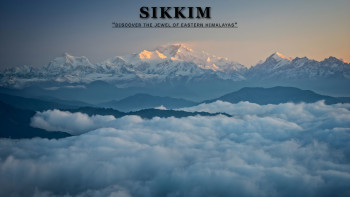
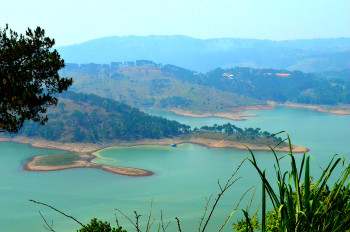

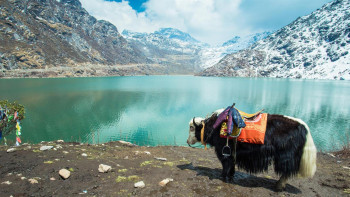
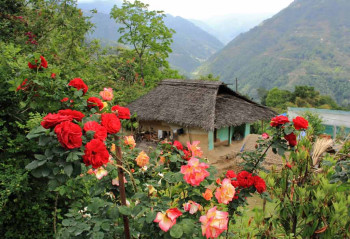
Sikkim month by month: the quick verdict
Gangtok day high / night low in °C, rounded long-term averages. Lachung and Tsomgo are 8–12 degrees colder; Pelling is close to Gangtok.
| Month | Gangtok °C | Roads and high areas | Snow | Crowds | Price level | Verdict |
|---|---|---|---|---|---|---|
| January | 13 / 4 | Tsomgo usually open; Nathu La and Zero Point shut after snowfall | Likely at Tsomgo, Nathu La, Lachung | Low | Low | Good for snow, cold for seniors |
| February | 14 / 5 | As January; Losar celebrations | Likely high up | Low | Low | Good for snow and quiet monasteries |
| March | 18 / 9 | Late snow can close Tsomgo roads for a day | Possible high up | Rising after Holi | Normal | Good; Barsey rhododendrons start |
| April | 21 / 12 | All routes normally open; sudden storms possible | Leftover at Zero Point | Moderate | Normal to high | Very good; flowers |
| May | 22 / 14 | Open; first heavy rain late in the month | Patches at Zero Point, Nathu La | High (summer vacation) | High | Very good first half, book early |
| June | 23 / 16 | Monsoon; landslide risk on NH10 and North Sikkim | None low down | Moderate early, then low | Falling | Gangtok only, early June |
| July | 23 / 17 | Wettest; North Sikkim often shut | None | Low | Lowest | Avoid |
| August | 23 / 17 | Heavy rain; NH10 closures common | None | Low | Lowest | Avoid |
| September | 22 / 16 | Rain easing; slides still possible | None | Low, rising late | Low | Late September only, with slack |
| October | 21 / 13 | Roads repaired, permits flowing | First dusting high up late in the month | High during Puja holidays | High in Puja weeks | Excellent; clearest skies |
| November | 18 / 9 | Open; snow can bar Nathu La on some days | Light, high up | High around Diwali, then moderate | Moderate | Excellent; crisp and clear |
| December | 15 / 6 | Open, with snow closures rising late in the month | Likely from mid-month | High over Christmas–New Year | High late in the month | Very good; cold nights |
These are tendencies, not promises. Snow came early to Nathu La in 2026: on 30 October tourist vehicles were stopped short of the pass while Tsomgo Lake stayed open. Equally, a dry winter can leave Tsomgo bare in January. We check the passes and permits again in the week you travel.
The four seasons in Sikkim
Spring: March to May
The warmest and most colourful dry season. Magnolias and rhododendrons bloom from late March in the Barsey sanctuary and around Pelling, and climb to Yumthang and Lachung by late April and May. Mornings are clear, but afternoon cloud and haze often hide Kanchenjunga, so spring is better for flowers than for mountain views. May is busy with Indian school holidays; good Lachung rooms are few, so book early.
Monsoon: June to September
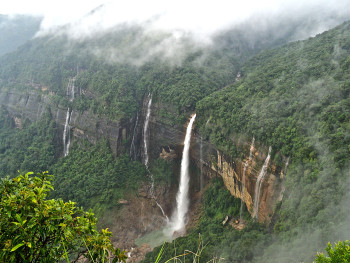
Sikkim is one of the wettest parts of the Himalaya. Rain itself is bearable in Gangtok, but landslides are not. In July 2026 a landslide at 20th Mile on NH10, the main road from Siliguri, closed the highway for over a month before it partly reopened with timed traffic. North Sikkim permits were suspended twice in 2025 after landslides, in late April and again from the end of May, leaving tourists stranded at Lachung and Lachen. For a first visit we do not plan these months.
Autumn: October to mid-December
The classic season. Skies are at their clearest, sunrise on Kanchenjunga from Tiger Hill, Pelling and Ganesh Tok is close to certain, and the roads have usually been repaired after the rains. Durga Puja and Diwali fill the hills with visitors from Bengal and western India, so book those weeks two to three months ahead; November after Diwali is quieter and just as clear.
Winter: mid-December to February
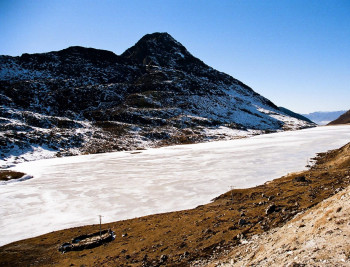
Cold, bright and quiet. Gangtok nights drop to about 4°C, Lachung goes well below freezing and snow is likely at Tsomgo, Nathu La and Zero Point. The catch is reliability: permits for the high roads are often issued one day at a time, and a heavy fall can cancel them all. Gurudongmar Lake is mostly frozen from about November to mid-May and is not worth the risk in deep winter.
Gangtok, North Sikkim and West Sikkim: when each is best
| Area | Height | Best months | What changes through the year |
|---|---|---|---|
| Gangtok and MG Marg | About 1,650 m | All year except July–August | Comfortable most months; views best October to December |
| Tsomgo Lake and Baba Mandir | About 3,750 m | October to May | Frozen edges and snow December to March; day permit only |
| Nathu La | About 4,300 m | April to June; October to November | Closed to tourists on Mondays and Tuesdays; often shut after snow in winter; Indian nationals only |
| Lachung, Yumthang, Zero Point | About 2,700 m to 4,700 m | March to May; October to December | Rhododendrons late April–May; snow at Zero Point December to April; landslide risk June to September |
| Lachen and Gurudongmar Lake | About 2,750 m to above 5,000 m | April to June; October to mid-November | Reopened to tourists on 9 March 2026 after 887 days; lake largely frozen in winter |
| Pelling, Yuksom, Ravangla | About 1,700 m to 2,100 m | October to May | Kanchenjunga views October to March; Barsey and Varsey rhododendrons March–April |
| Darjeeling (usually combined) | About 2,000 m | October to May | First-flush tea in March–April; Tiger Hill views clearest October to January |
North Sikkim in 2026: what has changed
Lachen and Gurudongmar were closed to tourists from the Teesta flood of October 2023 until 9 March 2026, when permits restarted after the new Taram Chu bridge opened. The bridge takes one vehicle at a time, and the terrain towards Gurudongmar is still fragile, so delays happen. Lachung and Yumthang have been open more consistently. A traffic order of September 2026 requires tourist vehicles to clear the Toong check post by 4 pm, which fixes how late you can leave Gangtok on the way up. We include Gurudongmar only when permits are actually being issued for your dates.
Best time to visit Sikkim for snow, flowers, honeymoon, families and seniors
| Traveller | Best months | Why | Think twice about |
|---|---|---|---|
| Snow seekers | Late December to early March | Snow most likely at Tsomgo, Nathu La and Zero Point | Days when every high-road permit is cancelled; keep a spare day |
| Flower lovers | Late March to mid-April (West Sikkim); late April to May (Yumthang) | Rhododendron forests in bloom | Expecting full mountain views at the same time |
| Honeymoon couples | October to mid-December; February | Clear views, cosy evenings, quieter hotels after Diwali | Puja and Diwali weeks for crowds |
| Families with children | April to early June; October to November | Mild days, roads open, school holidays fit | January cold at Lachung for small children |
| Parents above 60 | October to November; April | Mild nights in Gangtok, fewer road delays | Gurudongmar at any time; winter nights in North Sikkim |
| Photographers | October to December | Clearest air of the year, sunrise on Kanchenjunga | Spring haze |
| Budget travellers | February to March; late November to mid-December | Lower hotel rates with dry roads | The cheap monsoon months, which come with closures |
| Monastery and culture | February (Losar); late December (Losoong) | Masked dances and New Year rituals | Assuming every festival has public dances |
Seniors and families should take the altitude seriously at Tsomgo, Nathu La and Gurudongmar. Spend the first night in Gangtok, go up and come back the same day, and see your own doctor before booking if anyone has heart, lung or blood pressure problems.
Festival dates for 2026–27
Sikkim's Buddhist festivals follow the Tibetan lunar calendar and move every year. Dates below are from the 2026 state holiday list and published 2027 lists as of November 2026; the 2027 lists are estimates and some disagree, so we confirm before you fix flights around a festival.
| Festival | What it is | 2026 | 2027 |
|---|---|---|---|
| Sonam Lochar | Tamang New Year | 19 January | Not yet confirmed |
| Losar | Tibetan New Year; dances at Rumtek and Pemayangtse in the days before | 18 February | About 7 February |
| Bumchu | Sacred water vase opened at Tashiding monastery | Held in early spring | Listed for 22 March |
| Saga Dawa | Buddha's birth, enlightenment and passing; processions in Gangtok | 4 June | Lists differ (late May or mid-June) |
| Tendong Lho Rum Faat | Lepcha prayer to Mount Tendong | 8 August | 8 August |
| Pang Lhabsol | Worship of Kanchenjunga; warrior dances at Ravangla and Gangtok | 2 September | About 15 September |
| Dasain and Durga Puja | Main festival of Nepali-speaking Sikkimese; Bengal visitors arrive | Vijaya Dashami 20 October | Early October |
| Tihar (Diwali) | Festival of lights | 8 November | 29 October |
| Lhabab Duchen | Buddha's descent from heaven | 1 November | 20 November |
| Losoong / Namsoong | Sikkimese and Lepcha harvest New Year; Chaam dances at Rumtek and Tsuklakhang | December (date set by the state) | Listed for 28–31 December |
Pang Lhabsol falls at the tail of the monsoon, so treat it as a bonus for a Gangtok-only trip. Losoong in late December coincides with snow season and the year-end rush, which makes it the easiest festival to fit into a normal itinerary.
Permits, fees and getting there, by season
- No Inner Line Permit for Indians. Indian citizens enter Sikkim freely. Tsomgo, Nathu La, Lachung–Yumthang and Lachen–Gurudongmar are protected areas, and the permit is applied for through a registered Sikkim operator and driver, usually the day before. In winter and the monsoon it is often issued one day at a time.
- Nathu La is for Indian nationals only and closed to tourists on Mondays and Tuesdays. A snow cancellation on a Sunday therefore pushes the next chance to Wednesday, so plan Tsomgo for one day and keep Nathu La flexible.
- Tourist fee: since March 2025 every overnight visitor pays ₹50 per person, added to the first room booking and valid for up to 30 days; children under five are exempt.
- Foreign and OCI passport holders need a separate Restricted Area Permit and cannot go to Nathu La or Gurudongmar.
- Flying in: Bagdogra is the airport for Sikkim. Pakyong, near Gangtok, has had no scheduled passenger flights since June 2024, and we found no 2026 schedule as of November 2026.
- The road up: NH10 along the Teesta from Siliguri takes four to five hours to Gangtok in the dry season. In the monsoon, closures send cars on longer routes through Kalimpong district, adding two or more hours.
We arrange the protected-area permits through the registered local operator who provides your car. Travel from the capital is covered on our Sikkim and Darjeeling from Delhi page.
How crowds and prices move
- Durga Puja and Diwali weeks (October–November): the busiest time of the year, with visitors from Bengal, Gujarat and Maharashtra. Book rooms with lifts in Gangtok and Lachung two to three months ahead.
- Mid-May to early June: summer vacation peak; Lachung rooms are the first to go.
- Christmas to New Year: high in Gangtok and Pelling, with snow-seekers at Tsomgo.
- February to March and late November to mid-December: moderate rates and dry roads, the best value of the year.
- July to September: the lowest rates, but closures make the savings uncertain.
Bagdogra airfares follow the same pattern, sharpest in Puja week. Travellers from Kolkata can read our Sikkim and Darjeeling from Kolkata page for working around the Puja rush.
What to pack for each season
- March to May: a fleece and light jacket for Gangtok evenings, a warm down jacket and gloves for Yumthang and Zero Point, a compact umbrella for afternoon showers.
- June to September: rain jacket, quick-dry clothes, shoes with good grip, leech socks for walks, and medicines for a longer road day.
- October to November: layers, thermals for Lachung, a windproof jacket for Tsomgo and Nathu La, sunglasses for the clear light.
- December to February: two sets of thermals, a heavy down jacket, woollen cap, gloves and waterproof boots; snow boots can be hired near Tsomgo and Lachung.
Whatever the month, carry original photo ID and two passport photographs for each traveller (the permit needs them), cash for North Sikkim where card machines are rare, and a postpaid mobile connection, since signal fades beyond Mangan.
How we plan a Sikkim trip around the season
- First visit with family: October to November or April, six to seven nights: Gangtok, Tsomgo, two nights in Lachung, then Pelling or Darjeeling.
- Snow trip: January to early March, with one spare day in Gangtok for a cancelled Nathu La or Zero Point permit.
- Flower trip: West Sikkim and Barsey in early April, or Yumthang in early May.
- Gurudongmar: April to June or October to mid-November, only when permits are flowing, never as the only reason to go.
- Monsoon: a short Gangtok and Darjeeling trip at most, with flexible flights.
- Private and customised: your own car and driver, your own dates; friends and family travel as a private group on their own schedule. Sikkim rules require a locally registered vehicle for the protected areas, so the change of car at Gangtok is normal.
- Season-aware plans: high-road days placed on Wednesday to Sunday for Nathu La, permits checked the evening before, and a buffer in winter and the shoulder months.
- Vegetarian and Jain meals requested in writing; easy in Gangtok, simple in Lachung, and we say so.
- 11 years of planning holidays from our C G Road office in Ahmedabad; planned by our team there and booked on WhatsApp or phone, with 24×7 support on tour. IATA-accredited; member of TAAI, TAFI, ADTOI and IATO; recognised by the Ministry of Tourism, Government of India.
Ready itineraries with live prices are on our North East tour packages page. For other snow ideas see snow places in India in December; for summer holidays, places to visit in May in India; or browse all our holiday guides.
Plan your trip with Vibrant Holidays
Tell us your dates, budget and who is travelling. We reply with a day-wise plan and a clear price, usually the same day.
Get a Free Quote WhatsApp 9089090790Best Time to Visit Sikkim: FAQs
Which is the best month to visit Sikkim?
October and November are the best months for most travellers: clear skies, the best views of Kanchenjunga, open roads and pleasant days in Gangtok. April is the best spring month, with rhododendrons and mild weather. For snow, choose January or February and keep a spare day, because heavy snowfall can cancel permits for Nathu La and Zero Point.
What is the best time to visit Gangtok?
Gangtok is good from October to early June, with October to December best for views and March to May for flowers and mild weather. It stays pleasant in winter, about 4 to 13°C, and is the base for snow trips to Tsomgo. Avoid July and August, when landslides on NH10 can cut the road from Siliguri for days.
When can I see snow in Sikkim?
Snow is most likely from late December to early March at Tsomgo Lake, Nathu La, Lachung and Zero Point. Zero Point often keeps snow into April and sometimes May. Early falls can come in late October; in 2026 snow stopped tourist vehicles short of Nathu La on 30 October. Gangtok itself rarely sees snow.
Is it safe to visit Sikkim in the monsoon?
Gangtok is generally safe, but the roads are the problem. From June to September landslides often close NH10 and the North Sikkim roads, and permits for Lachung and Lachen are suspended when slides block the way. In 2025 tourists were stranded in North Sikkim after landslides. If you go, keep to Gangtok and Darjeeling and book flexible flights.
When is Nathu La open for tourists?
Nathu La is open to Indian tourists on Wednesday to Sunday and closed on Mondays and Tuesdays. In winter it can close for days after snow, and daily permit numbers are limited in busy weeks. Foreign and OCI passport holders cannot visit. We plan Tsomgo Lake on a fixed day and keep Nathu La flexible within your stay.
Is Gurudongmar Lake open in 2026?
Yes. Permits for Lachen and Gurudongmar restarted on 9 March 2026 after about two and a half years of closure following the 2023 Teesta flood. The new bridge on the route takes one vehicle at a time, so delays happen, and the lake is mostly frozen in winter. We include it only when permits are being issued for your dates.
When do rhododendrons bloom in Sikkim?
From late March to May, moving uphill as the season warms. Barsey sanctuary and the forests around Pelling flower from late March to April; Yumthang valley and the slopes above Lachung are at their best from late April to mid-May. Exact timing shifts with each winter, so we check reports from Lachung before fixing dates.
Is December a good time to visit Sikkim?
Yes. Skies are clear, Kanchenjunga views are excellent and snow often arrives at Tsomgo and Nathu La from mid-December. Gangtok nights are about 6°C and Lachung is below freezing, so pack heavy woollens. The first half of December is quiet and good value; Christmas to New Year is busy, with Losoong celebrations in late December.
Do Indians need a permit to visit Sikkim?
Not to enter Sikkim, but yes for Tsomgo Lake, Nathu La, Lachung–Yumthang and Lachen–Gurudongmar. These are protected-area permits applied through a registered Sikkim operator with photo ID and photographs for every traveller. As of November 2026 there is also a tourist fee of ₹50 per person, collected with the first hotel booking.
Can we fly directly to Gangtok?
Not as of November 2026. Pakyong airport near Gangtok has had no scheduled passenger flights since June 2024. Fly to Bagdogra, then drive about four to five hours to Gangtok along NH10. In the monsoon, closures on NH10 can make the drive longer, so arrive by early afternoon and avoid tight connections on the way back.
What is the best time to visit Sikkim with senior citizens?
October to November and April. Days are mild, roads are dry and Gangtok nights are not too cold. Keep the high trips as same-day visits, skip Gurudongmar, and allow a rest day after Tsomgo. Avoid deep winter nights in Lachung and the monsoon road delays. Seniors should check with their own doctor before travelling to high altitude.
How many days are enough for Sikkim?
Five to six nights covers Gangtok, Tsomgo and Lachung. Add two nights for Pelling or Darjeeling, and one more for Lachen and Gurudongmar when permits are open. In winter and the shoulder months keep one spare day for permit cancellations. Count the arrival and departure days, since Bagdogra to Gangtok takes most of a morning.
