Best Time to Visit Bali: Seasons, Sea Conditions and the 2027 Calendar
Dry months for the south coast and Mount Batur, wet months that still work for villas and Ubud, the one day a year the airport shuts, and the weeks when rates double – planned month by month.
The quick answer to the best time to visit Bali is the dry season, April to October, and within it the shoulder months of May, June and September. Days are sunny, humidity is lower, the sea on the Bukit peninsula is clear, and the pre-dawn climb up Mount Batur usually ends above the clouds rather than inside them. July and August are just as dry but far busier, because Australian and European families arrive at the same time, and villa rates rise to match.
Bali never gets cold and never really closes, so the wet season from November to March is not a write-off. Rain tends to fall as heavy afternoon or evening bursts, the rice terraces are at their greenest, and private pool villas cost noticeably less outside the Christmas fortnight. What the wet months do affect is the sea: boat crossings to Nusa Penida, west-coast beaches and some dive sites. This guide covers each month, how the seasons play out in different parts of the island, what the ocean does for boats, surfers and divers, the Balinese festival dates for 2027 that change what you can do on certain days, and when prices peak, including the Indian holiday weeks. Dates and rules are as of November 2026; we confirm them again when you book. For the budget, see our Bali trip cost from India guide.
Updated November 2026 by the Vibrant Holidays team, Ahmedabad.
Holiday packages for the places in this guide
Our latest matching packages on Vibrant Holidays — 3 to 9 nights. Every package can be customised for departure from your city.
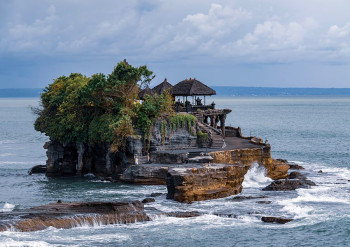







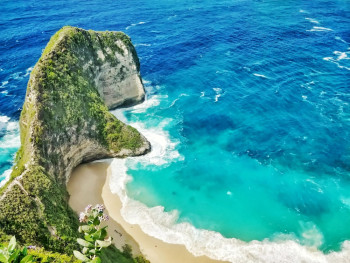



Bali month by month: weather, crowds and price level
Day high / night low in °C, rounded long-term averages. "South coast" stands for Seminyak, Kuta, Jimbaran and Nusa Dua; Ubud sits at about 200–300 m and is a couple of degrees cooler, and much cooler at night in the dry season. Rain is described for Denpasar.
| Month | South coast | Ubud | Rain | Crowds | Price level | Pick it for |
|---|---|---|---|---|---|---|
| January | 31 / 24 | 29 / 22 | Wettest month, frequent downpours | High in week one, then low | High, then low | Villa stays, green terraces; Galungan on 13 January 2027 |
| February | 31 / 24 | 29 / 22 | Very wet | Low, except Chinese New Year week | Low | Spa and villa breaks at the lowest rates |
| March | 31 / 24 | 29 / 22 | Easing, still showery | Low | Low | Nyepi and the ogoh-ogoh parades (7–8 March 2027) |
| April | 31 / 24 | 29 / 21 | Dry season begins | Moderate; Easter week busy | Normal | First clear Batur sunrises; calm Nusa Penida mornings |
| May | 30 / 23 | 28 / 20 | Little rain | Moderate; Indian summer-break families | Normal | Almost everything; one of the best months |
| June | 30 / 23 | 27 / 19 | Dry | Rising from late June | Normal, rising | Surf on the Bukit; Bali Arts Festival from mid-June |
| July | 29 / 22 | 27 / 18 | Dry, breezy | Very high | High | Diving, surfing, festivals; book early |
| August | 29 / 22 | 27 / 18 | Driest month | Very high | High | Mola mola season starts; Galungan on 11 August 2027 |
| September | 30 / 23 | 28 / 19 | Dry | Moderate | Normal | The best balance of weather and price |
| October | 31 / 23 | 29 / 20 | Showers begin late | Moderate; Diwali week busy | Normal | Last reliable dry weeks; good diving |
| November | 31 / 24 | 29 / 21 | Wet season starts | Low | Low | Value honeymoons; quiet beaches |
| December | 31 / 24 | 29 / 22 | Wet | Very high from 20 December | Highest of the year | Christmas and New Year villas, booked months ahead |
The temperature barely moves; what changes is rain, humidity, sea state and crowds. A dry month can still have a stormy afternoon, and a wet month often has sunny mornings.
Dry season and wet season: what they feel like on the ground
Dry season, April to October
The south-east trade winds bring drier air from Australia. Mornings are bright, the sky over the Bukit cliffs is clear for sunsets at Uluwatu, and the west coast from Canggu to Seminyak has its cleanest sea. Evenings in Ubud, and especially up in Kintamani, can feel cool from June to August; pre-dawn on the Batur summit is often around 10–15°C, so trekkers need a fleece. The trade-off is crowds: July and August bring the year's busiest roads, with the drive from the airport to Ubud sometimes taking two hours in the evening.
Wet season, November to March
The north-west monsoon brings humid air and the year's heaviest rain, peaking from December to February. Most days still give you a few dry hours, and a typical pattern is a clear morning and a heavy downpour after lunch. Narrow lanes in Kuta, Legian and Seminyak can flood briefly after a cloudburst. On the west-facing beaches the onshore winds also wash plastic and debris ashore in some weeks, which is a real issue on Kuta and Legian beaches; the east and south coasts, Nusa Dua and Sanur in particular, stay cleaner. This is a good season for villa holidays, spas, cooking classes and temple visits, and a weak one for long boat trips and beach-hopping.
Shoulder months
April and October are transition months. April usually brings the first settled weather, though early April can still be showery. October stays mostly dry until the last week or two. Both months combine good conditions with normal rates, outside the Easter and Diwali holiday weeks.
Ubud, the beaches, Mount Batur or Nusa Penida: timing by area
| Area | Best months | Workable | Hardest months | What changes |
|---|---|---|---|---|
| Uluwatu, Jimbaran and the Bukit | April to October | November, March | December – February: grey skies, stairs to cliff beaches slippery | Dry-season swell makes some cliff beaches unsafe for swimming at high tide |
| Seminyak and Canggu (west coast) | May to September | April, October | December – February: debris on the sand, flooded lanes | Strong currents all year; swim between the flags |
| Nusa Dua and Sanur (east-facing) | April to November | All year | Peak wet weeks, mainly for rain | The calmest, cleanest swimming water in the wet season |
| Ubud and the rice terraces | April to October; the terraces look greenest from November | All year | January – February: heavy afternoon rain, muddy walks | Waterfalls such as Tegenungan run hardest and brownest in the wet season |
| Kintamani and Mount Batur | May to September | April, October | December – February: summit often in cloud, slippery path | Trek starts around 3.30–4 am; pick-up from the south coast is about 2 am |
| Amed, Tulamben and the north (Lovina) | April to November | All year; drier than the south | Heavy-rain days for the long drive | Dolphin boats at Lovina and the Tulamben wreck dive work most of the year |
| Nusa Penida and Lembongan | April to June, September to October | July – August, with early starts | Wet-season storm days; big swell days at any time | Fast boats from Sanur take about 45 minutes and can be cancelled in rough seas |
A practical point for Indian travellers: Nusa Penida is usually done as a day trip from Sanur, so we keep a spare day in the plan in case the boat is cancelled, and we avoid putting it on the last day before your flight.
Sea conditions: boats, snorkelling, surfing and diving
Nusa Penida crossings
The channel between Sanur and the Nusa islands is open water. In the dry season, strong southern swells from the Indian Ocean, most often in July and August, make the afternoon crossing bumpy, and operators sometimes cancel. In the wet season, storm days do the same. The morning boats are calmer in every month. Families with grandparents or anyone who gets seasick should cross early and keep the return before 3 pm. Snorkelling at Crystal Bay and Manta Bay depends on the day's swell, and guides change sites when it is rough.
Surfing
- Dry season (April – October): the west and Bukit breaks work best with offshore trade winds – Uluwatu, Padang Padang, Bingin, Balangan and the reefs off Canggu. These are for experienced surfers.
- Wet season (November – March): the wind turns, and the east-side breaks around Nusa Dua, Sanur and Keramas get the clean conditions.
- Beginners: lessons on the sand-bottom beaches at Kuta and the beach breaks at Canggu run all year. A two-hour lesson is the usual starting point for Indian travellers who have never surfed.
Diving
- Manta rays: seen at Manta Point off Nusa Penida through most of the year.
- Mola mola (ocean sunfish): the season usually runs from about July or August to October, when cold water rises around Crystal Bay. Water can drop to around 20–23°C, so divers wear thicker wetsuits.
- Tulamben and Amed: the USAT Liberty wreck is a shore dive possible all year, with the best visibility in the dry months.
- Menjangan, in the north-west: calm and clear for most of the year; a long drive from the south, so it suits a two-night stay in the north.
Balinese festival calendar for 2027, and the days that change plans
Bali follows two calendars: the 210-day Pawukon cycle, which sets Galungan and Kuningan, and the lunar Saka calendar, which sets Nyepi. Both move against the Gregorian year, so dates differ from one year to the next.
| Event | Date (as of November 2026) | What it means for travellers |
|---|---|---|
| Galungan | Wednesday 13 January 2027, and again 11 August 2027 | Tall bamboo penjor poles line every village road; families pray at home temples. Some drivers, guides and small shops take the day and the following day off, so we book drivers in advance |
| Kuningan | 23 January 2027, and again 21 August 2027 | Closes the ten-day Galungan period; temples are busy in the morning, so major temple visits are better in the afternoon |
| Chinese New Year | 6 February 2027 | A busy week for visitors from East Asia; rates rise in Nusa Dua and Seminyak |
| Ogoh-ogoh parades | Evening of 7 March 2027 | Giant demon effigies paraded through village streets, then burnt; worth staying up for |
| Nyepi, the Day of Silence | Monday 8 March 2027, 6 am to 6 am on 9 March | Ngurah Rai airport closes, no flights land or leave, roads and beaches are empty, hotel guests stay inside the property with lights low, and mobile data is often switched off |
| Eid al-Fitr (Lebaran) | Expected around 10 March 2027, depending on the moon | A domestic travel peak across Indonesia; Bali is busier with visitors from Java in the days around it |
| Bali Arts Festival | About mid-June to mid-July (began 13 June in 2026) | Month-long dance, music and parade programme at the Art Centre in Denpasar |
Planning around Nyepi
Nyepi is not a reason to avoid March, but it does need planning. Do not book a flight in or out on 8 March 2027, and avoid flights landing late on 7 March if you have a long transfer, as the parades block roads that evening. Spend Nyepi in a resort or villa with a garden and pool, because you cannot go out, and confirm that the hotel serves meals that day. Many travellers find the silence, and the star-filled sky with every light switched off, the most memorable night of the trip.
Temple etiquette on festival days
On Galungan, Kuningan and temple anniversaries (odalan), which happen at different temples all year, sarong and sash are required and some inner areas are closed to visitors. Our drivers check the local ceremony calendar so you see processions without walking into a closed courtyard.
When Bali prices peak, and when rates are lowest
| Period | Why it is expensive or cheap | Book this far ahead |
|---|---|---|
| 20 December – 5 January | Christmas and New Year across every market; villas set minimum stays and compulsory gala dinners | 4 to 5 months |
| Late June – August | Australian winter school holidays and the European summer at once; flights and villas at their dearest after New Year | 3 to 4 months |
| Indian Diwali week (around 29 October in 2027) | Families from Gujarat, Maharashtra and Delhi travel together; flights from India jump more than villa rates | 2 to 3 months |
| Mid-May to mid-June | Indian summer vacation; Bali is dry and still fairly priced, but direct and one-stop flights from India fill up | 2 to 3 months for flights |
| Easter week and Chinese New Year week | Short spikes from Australia and East Asia | 6 to 8 weeks |
| Mid-January to March, and November | Wet season, outside the holiday weeks; the lowest villa rates of the year | 3 to 4 weeks |
| September and early October | Dry weather after the July–August rush; normal rates | 4 to 6 weeks |
In practice, a private pool villa in Seminyak or Ubud that costs a certain amount in late February can cost noticeably more for the same nights in August, and the most in the New Year week. We show both options when your dates are flexible. Line-by-line costs are in the Bali trip cost guide.
Best time to visit Bali for each kind of traveller
| Traveller | Best window | Why | Think twice about |
|---|---|---|---|
| Honeymooners | May – June, September – October | Dry sunsets at Uluwatu, clear Nusa Penida days, normal villa rates | New Year week prices; a wedding-season trip from November to February works with a villa-heavy plan |
| Families with school-age children | Indian summer break (May – early June), Diwali break | Dry weather lines up with Indian school calendars | Late June – August, when the island is at its busiest |
| Senior citizens | April – June, September | Less humidity, dry temple steps, calmer boats | Batur treks in any month; wet-season steps at Tanah Lot and Uluwatu |
| Surfers | April – October for the west and Bukit; November – March for the east side | Wind direction decides which coast works | Big swell days for beginners |
| Divers | July – October for mola mola; April – November elsewhere | Clearer water, seasonal sunfish | Cold upwellings around Nusa Penida need a thicker wetsuit |
| Trekkers (Mount Batur) | May – September | Best chance of a clear sunrise over Lake Batur and Mount Agung | December – February: cloud and slippery paths |
| Budget travellers | Mid-January to March, November | Lowest villa rates; rain mostly in the afternoon | Long boat trips and beach days |
| Culture-seekers | Galungan weeks, Nyepi, the Arts Festival | Ceremonies, penjor-lined roads, dance programmes | Fixed dates that move each year; confirm before booking |
If Bali is one of several honeymoon options, our comparison of honeymoon destinations abroad from India sets out the best months for each.
Fitting Bali into the Indian holiday calendar
- Diwali (late October or November): in 2027, Lakshmi Puja falls around 29 October, at the end of Bali's dry season. Good weather, but book flights early; families often fly two or three days after Diwali for better fares.
- Christmas and New Year: wet season and the highest rates. It works for villa-focused trips; plan Nusa Penida and Batur with spare days.
- Holi and March: quiet and good value, but check the Nyepi date first.
- May – June summer vacation: the best overlap between Indian school holidays and dry Bali. Ubud evenings are pleasant and the sea is calm for most of May.
- Wedding season (November – February): many Indian honeymoons fall in Bali's wet months. They work well with a private pool villa, an Ubud base and flexible sightseeing; a plan built around daily beach hopping does not.
Flight routes from your city decide the first and last day of the plan. Mumbai travellers can see routings on Bali from Mumbai, and Delhi travellers on Bali from Delhi.
Entry rules to check against your travel dates
As of November 2026, Indian passport holders get a 30-day visa on arrival, or the same visa online in advance as an e-VOA, for IDR 500,000 (about ₹2,600–2,700), extendable once inside Indonesia. Bali also charges a tourist levy of IDR 150,000 per person (about ₹800), and every traveller fills the free All Indonesia arrival card online before landing. On 12 August 2026 Indonesia's immigration department announced a rise to IDR 750,000 for the e-VOA and IDR 1,000,000 for a visa bought on arrival; when we last checked, no start date had been confirmed. If you are travelling in 2027, assume the higher fee may apply and apply online. We prepare and submit the e-VOA; approval is at the discretion of Indonesian immigration. Details are in our Bali visa guide for Indians.
What to pack for Bali in each season
- April to October: light cottons, swimwear, strong sunscreen, a hat, and a fleece or light jacket for Ubud nights and the Batur summit.
- November to March: a light rain jacket rather than an umbrella on scooters and boats, quick-dry clothes, sandals with grip, and a dry bag for phones on the Nusa Penida boat.
- Every season: clothes that cover shoulders and knees for temples (sarongs are lent or rented at most), mosquito repellent, and seasickness tablets for anyone crossing to the Nusa islands.
Our honest recommendation
- First visit, flexible dates: May, June or September. Dry season weather without the July–August crowds.
- Tied to the Indian summer vacation: go in May or early June, and book flights two to three months ahead.
- Tied to Christmas or New Year: go, but choose villa time over a packed sightseeing plan and book by August.
- Best value: late January to March, outside Nyepi and Chinese New Year week, with an Ubud and Nusa Dua split.
- Divers: August to October for a chance at mola mola.
Season-ready itineraries with live prices are on our Bali tour packages page.
Planning Bali with Vibrant Holidays
- Private and customised: your own car and driver, your own dates; no shared coaches or set departures.
- Season-aware plans: Nusa Penida early in the trip with a spare day, Batur only when the season suits, Nyepi and Galungan built into the schedule.
- Pure-veg and Jain meals arranged with villas and confirmed in writing; we tell you honestly where choices are thin.
- 11 years of planning from our C G Road office in Ahmedabad, booked on WhatsApp or phone from anywhere in India, with 24×7 support while you travel. IATA-accredited; member of TAAI, TAFI, ADTOI and IATO; recognised by the Ministry of Tourism, Government of India.
More seasonal planning help is on our holiday guides page.
Plan your trip with Vibrant Holidays
Tell us your dates, budget and who is travelling. We reply with a day-wise plan and a clear price, usually the same day.
Get a Free Quote WhatsApp 9089090790Best Time to Visit Bali: FAQs
Which is the best month to visit Bali?
For most travellers, May, June or September. They fall in the dry season, so beaches, Nusa Penida boats and Mount Batur sunrises work well, but they avoid the July–August rush when Australian and European families fill the island. April and October are also good, with slightly more chance of showers.
Is it worth visiting Bali in the rainy season?
Yes, for a villa, spa and Ubud-focused trip. Rain usually comes as heavy afternoon bursts, mornings are often clear, the terraces are greenest, and rates are at their lowest outside the Christmas fortnight. It is a weaker time for boat trips, west-coast beaches and the Batur trek, so keep spare days.
When is Nyepi in 2027 and is the airport closed?
Nyepi falls on Monday 8 March 2027. From 6 am that day to 6 am on 9 March, Ngurah Rai airport closes, roads and beaches empty, and hotel guests must stay inside the property. Do not book flights that day. The ogoh-ogoh parades take place on the evening of 7 March.
When are Galungan and Kuningan in 2027?
Galungan falls on 13 January 2027 and again on 11 August 2027, because it follows a 210-day cycle. Kuningan comes ten days later, on 23 January and 21 August 2027. Roads are lined with bamboo penjor poles, and some drivers and shops take the days off, so we book transport in advance.
Is Bali good to visit in December?
December is wet season, with frequent afternoon rain, and from about 20 December it is also the most expensive and crowded time of the year. It suits couples and families who want a pool villa and a relaxed pace. Book four to five months ahead, and keep beach and boat plans flexible.
What is the best time for the Mount Batur sunrise trek?
May to September gives the best chance of a clear sunrise over Lake Batur and Mount Agung. Pick-up from the south coast is around 2 am and the climb starts about 3.30 to 4 am. In December to February the summit is often in cloud and the path is slippery. Carry a fleece in every month.
When is the sea calm for a Nusa Penida trip?
Mornings in April to June and September to October are usually the calmest. Strong southern swells in July and August, and storm days in the wet season, can make afternoon crossings rough or cancel boats. We plan Nusa Penida early in the trip with a spare day and keep the return boat before 3 pm.
When is the cheapest time to visit Bali from India?
Mid-January to March and November, outside Chinese New Year week and Nyepi, give the lowest villa rates. Flights from India are also cheaper outside Diwali, the May–June school holidays and the Christmas fortnight. September is the best mix of dry weather and normal prices.
What is the best time to visit Bali for a honeymoon?
May to June and September to October give dry sunsets, clear boat days and fair villa rates. Many Indian couples marry between November and February, when Bali is wet; those honeymoons work well with a private pool villa, an Ubud base and flexible sightseeing rather than a packed beach plan.
When is the best time to see mola mola in Bali?
The ocean sunfish are usually seen around Crystal Bay and other Nusa Penida sites from about July or August to October, when cold water rises from the deep. Sightings are never certain. Water temperatures can fall to around 20 to 23°C, so divers wear thicker wetsuits than usual.
Is Bali too crowded in July and August?
It is the busiest stretch outside New Year. Australian school holidays and the European summer overlap, so roads from the airport to Ubud are slow, popular temples and swings have queues, and villa rates are high. If your dates are flexible, June or September gives the same dry weather with fewer people.
Will the Bali visa fee go up before my trip?
Possibly. As of November 2026 the e-VOA costs IDR 500,000. On 12 August 2026 Indonesian immigration announced a rise to IDR 750,000 online and IDR 1,000,000 on arrival, with no confirmed start date when we last checked. We prepare and submit the e-VOA; approval is the immigration authority's decision.
