Best Time to Visit Thailand: Month by Month, Coast by Coast
Thailand has two coasts with opposite rainy seasons, a north that is coolest in December and smokiest in March, and festivals that move with the moon. Here is how to match the month to the right part of the country.
For most trips, the best time to visit Thailand is November to February, the cool and dry season. Bangkok is at its least humid, Chiang Mai has fresh mornings, and the Andaman Sea around Phuket, Krabi and Phi Phi is calm and clear. It is also high season, so the weeks around Christmas, New Year and Chinese New Year are the most expensive of the year.
The fuller answer depends on where you are going, because Thailand does not have one rainy season. The Andaman coast takes the south-west monsoon from about May to October, while the Gulf islands of Koh Samui, Koh Phangan and Koh Tao get most of their rain from October to December. That difference matters to Indian families whose summer vacation falls in May and June: in those weeks Samui is often the better beach choice than Phuket. The north has its own problem, the smoky burning season from about February to April. This guide goes month by month for Bangkok, Phuket and Koh Samui, explains both monsoons, covers Pattaya and Chiang Mai, lists the marine-park closures and festival dates, and shows when prices rise. Facts are as of November 2026, and we check again before you book. For costs, see our Thailand trip cost from India guide.
Updated November 2026 by the Vibrant Holidays team, Ahmedabad.
Holiday packages for the places in this guide
Our latest matching packages on Vibrant Holidays — 2 to 12 nights. Every package can be customised for departure from your city.

Thailand month by month: Bangkok, Phuket and Koh Samui
Temperatures are typical day highs in °C, rounded long-term averages. Bangkok also stands in for Pattaya and Ayutthaya; Phuket for Krabi, Phi Phi and Khao Lak.
| Month | Bangkok | Phuket and Krabi | Koh Samui | Crowds and prices | Pick it for |
|---|---|---|---|---|---|
| January | 32°C, dry | 32°C, dry, calm sea | 30°C, showers easing | High | Everything; the Andaman islands at their best |
| February | 33°C, dry | 33°C, dry | 30°C, mostly dry | High around Chinese New Year (6 February 2027) | Beaches on both coasts; haze building in the north |
| March | 34°C, hot | 33°C, dry | 31°C, dry | Moderate | Islands; avoid Chiang Mai if smoke is a concern |
| April | 35°C, hottest month | 33°C, first storms late | 32°C, dry | Busy in Songkran week, 13–15 April | Songkran; Samui and Koh Tao |
| May | 34°C, storms begin | 32°C, monsoon starts, rough sea | 32°C, mostly dry | Low, except Indian summer-break families | Koh Samui; Bangkok shopping at sale prices |
| June | 33°C, showers | 31°C, wet, red flags on beaches | 31°C, dry spells | Low | Samui, Bangkok and Pattaya on a budget |
| July | 33°C, showers | 31°C, wet | 31°C, fairly dry | Moderate, with European summer visitors | Samui and Koh Tao diving |
| August | 33°C, showers | 31°C, wet; Maya Bay closed from 1 August | 31°C, fairly dry | Moderate | Gulf islands; green northern hills |
| September | 32°C, wettest month | 30°C, wettest month | 31°C, showers | Lowest of the year | The cheapest Bangkok and Pattaya city trips |
| October | 32°C, heavy rain early | 31°C, rain easing late | 30°C, rains begin | Low, rising in Diwali week | Late October on the Andaman side; parks reopen mid-October |
| November | 32°C, dry | 31°C, dry season starts | 29°C, wettest month | Rising; busy around Loy Krathong | Loy Krathong and Yi Peng; Phuket and Krabi |
| December | 31°C, dry, least humid | 31°C, dry | 29°C, wet, easing late | Very high from 20 December | Christmas and New Year on the Andaman coast |
Thailand's three seasons, and why the coasts disagree
Cool season: November to February
A dry north-east wind blows across the country. In Bangkok, nights fall to the low 20s and the air is noticeably less sticky; in Chiang Mai, mornings can drop to 13–16°C, and on Doi Inthanon, Thailand's highest peak, early mornings are cold enough for a jacket and sometimes close to freezing. The Andaman Sea is flat and clear. This is the season for first visits, seniors and anyone combining the city, the north and the beach in one trip.
Hot season: March to May
Temperatures climb to 34–36°C in Bangkok, with high humidity; April is the hottest month and the one Thais spend throwing water at each other during Songkran. The islands are still sunny, and the Gulf islands in particular have some of their best weather. City sightseeing works with early starts, long indoor afternoons in malls and temples, and evenings by the river.
Rainy season: June to October
The south-west monsoon brings rain to most of the mainland and the west coast. In Bangkok and Pattaya it usually means a heavy downpour of an hour or two, often in the late afternoon, with the rest of the day dry; September is the wettest month, and short street flooding is common after a cloudburst. On the Andaman side, the bigger issue is the sea, not the rain.
The Gulf exception
Koh Samui, Koh Phangan and Koh Tao sit in the Gulf of Thailand and are partly sheltered from the south-west monsoon. Their main rain comes with the north-east monsoon from October to December, peaking in November. So when Phuket is grey and rough in June or July, Samui is often sunny, and when Phuket is at its best in November, Samui is at its wettest.
Phuket and Krabi or Koh Samui: choosing the coast by month
| Coast | Best months | Rough or wet months | What the monsoon changes |
|---|---|---|---|
| Andaman: Phuket, Krabi, Phi Phi, Khao Lak | November to April | May to October, wettest in September | Red flags and strong rip currents at Patong, Kata and Karon; speedboat trips to Phi Phi and James Bond Island can be cancelled or run on bigger ferries; the Similan and Surin islands close from mid-May to mid-October |
| Gulf: Koh Samui, Koh Phangan, Koh Tao | January to August | October to December, wettest in November | Ferries from the mainland and to Ang Thong Marine Park can be cancelled in high winds; Ang Thong has closed in November for its seasonal break |
| East coast: Pattaya, Koh Larn, Koh Samet | November to April | June to October, with September and October wettest | Rain is mostly in short bursts; the Koh Larn boat runs on most days |
Marine-park closures to plan around
- Maya Bay, Phi Phi Leh: closed every year for coral and reef recovery, most recently 1 August to 30 September 2026. It reopened on 1 October; boats can visit, but swimming in the bay is not allowed.
- Similan and Surin islands: closed from mid-May and reopened on 15 October 2026. Koh Tachai stays restricted. Liveaboard dive trips run only in the open season.
- Ang Thong Marine Park, near Samui: closed from 1 November 2026; published end dates conflict between 30 November and 15 December, so we confirm with the park before booking.
- Trang and Satun islands: several sites, including Koh Kradan and the Emerald Cave, closed for parts of June to September in 2026.
A practical point for Indian families travelling in May and June: if the beach matters most, Koh Samui or a Bangkok–Pattaya plan with a day on Koh Larn will give more swimming days than Phuket. If you love the Phuket and Krabi scenery, go anyway, but choose a hotel with a good pool and treat island trips as weather-dependent.
Bangkok, Pattaya and Chiang Mai through the year
Bangkok
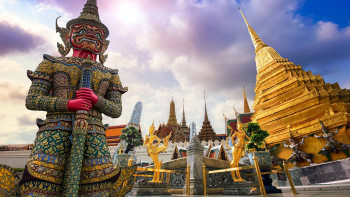
Good all year if you plan around heat and rain. December and January are the most comfortable months; April is the hardest, at about 35°C with humid nights. In the rainy season, keep riverside and temple visits for the morning and shopping for the afternoon, when the downpour usually comes. The Grand Palace and Wat Pho are busiest from mid-morning in high season, so we schedule them at opening time.
Pattaya
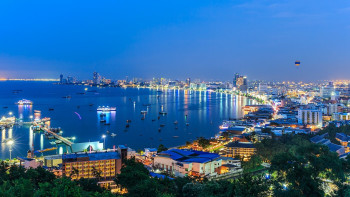
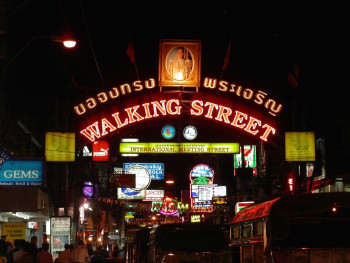
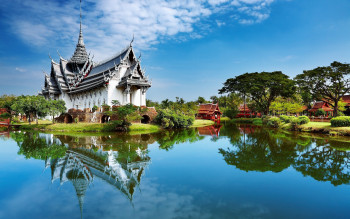
Two hours by road from Suvarnabhumi, Pattaya follows the same seasons as Bangkok, with sea breezes. Coral Island (Koh Larn) boats and the Sanctuary of Truth work in most months, and Nong Nooch's gardens are greenest in the rainy season. Pattaya fills up with domestic visitors on Thai long weekends and with Indian groups of friends around Diwali and New Year.
Chiang Mai and the north
- November to January: the best months. Cool mornings, clear skies and the Loy Krathong and Yi Peng festivals in November.
- February to April, the burning season: crop and forest fires across northern Thailand and neighbouring countries fill the air with smoke, usually worst in March. PM2.5 readings in Chiang Mai can rank among the worst in the world on bad days, views from Doi Suthep vanish, and flights are sometimes delayed by poor visibility. Travellers with asthma, children and seniors should avoid this window or stay in the south.
- May to October: the green season. Rice fields fill, waterfalls run, and elephant sanctuaries and mountain drives are pleasant between showers. Some trekking trails get muddy.
Thailand festival dates, 2026–27
| Festival | Where | Date (as of November 2026) | What to expect |
|---|---|---|---|
| Yi Peng | Chiang Mai | 24–25 November 2026; around the November full moon in 2027 | Lanterns, temple decorations and parades in the old city. Sky lantern releases are banned inside the city and allowed only at authorised, ticketed venues outside it |
| Loy Krathong | All over Thailand | 25 November 2026; 14 November 2027 (lunar date, confirmed nearer the time) | Floating krathong baskets on rivers, lakes and the sea; Sukhothai, Chiang Mai and Bangkok's riverside are the best places |
| Christmas and New Year | Bangkok, Phuket, Pattaya | 24 December – 1 January | Countdown events and fireworks; minimum-stay rules and gala dinners at beach resorts |
| Chinese New Year | Yaowarat (Bangkok's Chinatown), Phuket Old Town | 6 February 2027 | Red lanterns, lion dances and street food; busy hotels in Bangkok and Phuket |
| Songkran | All over Thailand | 13–15 April every year | Thai New Year and a nationwide water fight; Silom and Khao San Road in Bangkok, the Chiang Mai moat, and Pattaya's later celebrations a few days after |
| Buddhist holy days | Nationwide | Makha Bucha, Visakha Bucha, Asahna Bucha and the start of Buddhist Lent, on lunar dates | Candlelit temple processions; alcohol sales are banned nationwide on these days |
Songkran for Indian families
Expect to get completely soaked whenever you step outside on 13–15 April, including in a tuk-tuk. Phones go in waterproof pouches, and the water is not always clean, so keep children's eyes protected. Seniors who want to avoid it can stay in a riverside hotel or spend those days on an island, where celebrations are smaller. Flights and Bangkok hotels are busy, as Thais travel home for the holiday.
Loy Krathong and Yi Peng
In Chiang Mai the two festivals overlap. The free side is the old-city parades, lantern-lined temples and krathong floating on the Ping river. The famous mass sky-lantern release is a paid, ticketed event held at authorised sites around 30 km outside the city; tickets sell out months ahead and are expensive, so decide early if it is the reason for your trip.
When Thailand prices peak
| Period | What happens to prices | Book this far ahead |
|---|---|---|
| 20 December – 5 January | Highest beach-resort rates of the year, minimum stays, compulsory gala dinners; Bangkok hotels also full | 3 to 4 months |
| Chinese New Year week | Bangkok, Phuket and Pattaya busy with visitors from East Asia | 2 months |
| Songkran week | Domestic travel peak; flights and Chiang Mai hotels fill | 2 months |
| Indian Diwali week (around 29 October in 2027) and New Year | Fares from India rise sharply; Pattaya and Phuket busy with Indian groups of friends | 2 to 3 months for flights |
| Mid-May to mid-June | Low season in Phuket and Krabi, but flights from India rise with the school holidays | 6 to 8 weeks |
| Loy Krathong week in Chiang Mai | Old-city hotels and lantern-event tickets sell out | 3 to 4 months |
| June to September, outside these weeks | Lowest rates on the Andaman coast; good-value Bangkok and Pattaya | 3 to 4 weeks |
The same Phuket sea-view room can cost a good deal less in September than in late December. Line-by-line costs are in our Thailand trip cost guide.
Best time to visit Thailand for each kind of traveller
| Traveller | Best window | Best area then | Think twice about |
|---|---|---|---|
| Honeymooners | November to April; July – August for Samui | Krabi and Phi Phi in winter; Samui in summer | Phuket in September; Samui in November |
| Families in the Indian summer break | May – early June | Bangkok, Pattaya and Koh Samui | Andaman beach days with small children in rough seas |
| Families in the Diwali break | Late October – November | Bangkok, Pattaya, then Phuket or Krabi from November | Koh Samui, at the start of its wet season |
| Senior citizens | December to February | Bangkok, Pattaya, Phuket | April heat; Chiang Mai in the burning season |
| Groups of friends | November to April | Phuket, Krabi, Pattaya | New Year week prices |
| Divers | Mid-October to mid-May for the Similans; March to September for Koh Tao | Khao Lak liveaboards; Koh Tao | Similan closure from mid-May |
| Culture and festivals | November (Loy Krathong), April (Songkran) | Chiang Mai, Sukhothai, Bangkok | Sky lanterns only at ticketed sites |
| Budget travellers | June to September | Bangkok, Pattaya, Phuket at low-season rates | Weather-dependent island trips |
Entry rules, as of November 2026
Since 15 September 2026, Indian tourists can stay in Thailand visa-free for up to 30 days per entry, down from 60 days. Every traveller still fills the free Thailand Digital Arrival Card (TDAC) online within 72 hours before arrival, and immigration may ask for a return ticket, hotel bookings and funds for the trip. Longer stays need a tourist e-visa applied for before travel. Rules have changed several times since 2023, so we check them before every booking. We prepare and submit any e-visa needed; approval is at the discretion of the Thai authorities. Full details are in our Thailand visa guide for Indians.
What to pack for Thailand in each season
- November to February: cotton clothes for Bangkok and the beaches, a warm layer for Chiang Mai mornings and Doi Inthanon, sunscreen and a hat.
- March to May: the lightest clothes you have, oral rehydration sachets, a cap, and a waterproof phone pouch if Songkran is on your dates.
- June to October: a light rain jacket, quick-dry clothes, sandals, a dry bag for boat trips, and seasickness tablets for speedboats on the Andaman side.
- Every season: clothes that cover shoulders and knees for the Grand Palace and temples, and an N95 mask if you must visit the north between February and April.
Our honest recommendation
- First visit, flexible dates: mid-November to mid-December or mid-January to February, with Bangkok, Phuket or Krabi, and Chiang Mai if you want the north.
- Indian summer vacation: Bangkok and Pattaya with Koh Samui, rather than a Phuket-heavy plan.
- Diwali break: Bangkok and Pattaya first; the Andaman coast from November.
- Best value: September, for city trips and low-season Phuket rates, accepting some rain.
- Festivals: Loy Krathong in November for gentler crowds; Songkran in April for the full water fight.
Travellers from Mumbai can see flight timings on Thailand from Mumbai, Delhi travellers on Thailand from Delhi, and every itinerary with live prices is on our Thailand tour packages page.
Planning Thailand with Vibrant Holidays
- Private and customised: your own dates, private transfers and island boats where available; friends and extended families travel as a private group on their own schedule.
- Coast chosen by month: Samui instead of Phuket in the summer break, Andaman islands from November, marine-park closures checked before we quote.
- Pure-veg and Jain meals arranged with hotels and Indian restaurants in Bangkok, Pattaya and Phuket, confirmed in writing.
- 11 years of planning from our C G Road office in Ahmedabad, booked on WhatsApp or phone from any city, with 24×7 support on tour. IATA-accredited; member of TAAI, TAFI, ADTOI and IATO; recognised by the Ministry of Tourism, Government of India.
More seasonal planning help is on our holiday guides page.
Plan your trip with Vibrant Holidays
Tell us your dates, budget and who is travelling. We reply with a day-wise plan and a clear price, usually the same day.
Get a Free Quote WhatsApp 9089090790Best Time to Visit Thailand: FAQs
Which is the best month to visit Thailand?
For most trips, December to February: dry weather in Bangkok, cool mornings in Chiang Mai and calm seas around Phuket and Krabi. Mid-November and the second half of January give the same conditions with lower prices than the Christmas fortnight. For Koh Samui, the best months are January to August.
Is it good to visit Thailand in May or June?
Yes, with the right region. The Andaman coast around Phuket and Krabi enters its monsoon, with rough seas and red-flag beaches, but Koh Samui is usually dry and sunny. Bangkok and Pattaya have afternoon showers and low hotel rates. For Indian summer-break trips we often suggest Bangkok, Pattaya and Samui.
When is the rainy season in Phuket?
Roughly May to October, with September usually the wettest month. Rain comes in heavy bursts with sunny spells, but the sea is the bigger issue: strong currents, red flags on west-coast beaches and occasional cancellations of speedboat trips. Phuket's dry season runs from November to April.
When is the best time to visit Koh Samui?
January to August, when the Gulf of Thailand is mostly dry. Samui's main rains fall from October to December, peaking in November, which is the opposite of Phuket. That makes Samui a good beach choice for Indian families travelling in May, June or July.
When is Songkran in Thailand?
Songkran, the Thai New Year, is held on 13 to 15 April every year, with some places such as Pattaya celebrating a few days later. Expect a nationwide water fight, busy flights and full hotels in Chiang Mai and Bangkok. Keep phones in waterproof pouches and protect children's eyes.
When is Loy Krathong in 2026 and 2027?
Loy Krathong falls on 25 November 2026 and is expected on 14 November 2027, both on the full moon of the twelfth lunar month. People float decorated baskets on rivers and lakes across Thailand. In Chiang Mai it overlaps with Yi Peng, held on 24 and 25 November in 2026.
Can tourists release sky lanterns at Yi Peng in Chiang Mai?
Only at authorised, ticketed events outside the city, about 30 km away. Releasing sky lanterns inside Chiang Mai is banned for aviation and fire-safety reasons, with heavy fines. The free old-city parades and lantern-lit temples remain open to all. Event tickets sell out months ahead.
Is Chiang Mai worth visiting in March?
Usually not, for most travellers. February to April is the burning season, when smoke from crop and forest fires fills the air, typically worst in March. Views disappear and air quality can be very poor. Travellers with asthma, children and seniors should visit between November and January instead.
When is Maya Bay closed?
Maya Bay on Phi Phi Leh closes each year for reef recovery, recently from 1 August to 30 September. It reopened on 1 October 2026. Boats can visit and you can walk on the beach, but swimming in the bay is not allowed. The Similan Islands close from mid-May to mid-October.
Which is the cheapest time to visit Thailand from India?
June to September, outside Indian holiday weeks, when beach-resort rates on the Andaman coast are at their lowest and Bangkok and Pattaya hotels are good value. Flights from India are cheapest outside Diwali, the May–June school holidays and the Christmas fortnight. Island trips are weather-dependent then.
Is Thailand good for a Diwali holiday?
Yes. Bangkok and Pattaya are drying out by late October, and Phuket and Krabi improve from November. Koh Samui is entering its wet season, so it is a weaker choice then. Fares from India rise sharply in Diwali week, so book flights two to three months ahead or travel a few days after.
Do Indians need a visa for Thailand in 2026?
Not for a holiday of up to 30 days. Since 15 September 2026 Indian tourists are visa-free for 30 days per entry, and must fill the free TDAC arrival card within 72 hours before landing. Longer stays need a tourist e-visa. We prepare and submit applications; approval is the Thai authorities' decision.
