Best Time to Visit Europe: A Month-by-Month Guide for Indian Travellers
Europe is four or five different climates sharing one visa. The right month depends on which part you are going to, when your children are free, and how early you can get a Schengen appointment.
The best time to visit Europe for most Indian travellers is late April to mid-June or September to early October. In those weeks Switzerland has its mountain railways open and green valleys below the snow line, Paris and Amsterdam are mild enough to walk all day, and Rome, Barcelona and the Greek islands are warm without the extreme heat of July and August. If you want snow, Christmas markets or the northern lights, the answer flips to late November to February, with short days and cold evenings as the price.
For a family travelling from India, three things matter as much as the weather. First, the Schengen visa: appointment slots for May and June travel run out early every year, so the month you can travel often depends on when you book the visa appointment. Second, Indian school holidays, which push thousands of Indian families into the same Swiss trains and Paris hotels from mid-May to mid-June. Third, European holidays, which fill the Mediterranean in July and August. This guide sets out what each month looks like in four parts of Europe, then the visa calendar, then the season for each kind of traveller, with dates checked as of November 2026. For budgets, see our Europe trip cost from India guide; this page is about timing.
Updated November 2026 by the Vibrant Holidays team, Ahmedabad.
Holiday packages for the places in this guide
All 6 matching packages on Vibrant Holidays — 3 to 5 nights. Every package can be customised for departure from your city.
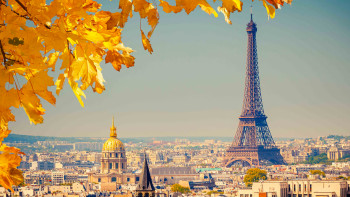
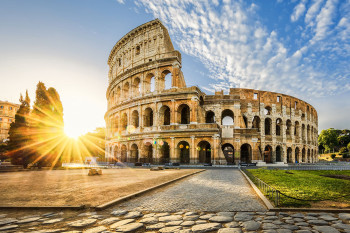
Europe month by month: four regions side by side
Average daytime highs in °C, rounded. Swiss figures are for the lake towns (Lucerne, Interlaken); at Jungfraujoch or Titlis it is 15–20°C colder in every month.
| Month | Swiss Alps | Paris and Amsterdam | Italy, Spain, Greece | Scandinavia | Verdict for Indian travellers |
|---|---|---|---|---|---|
| January | 3°C; deep snow, ski season | 7°C; grey, winter sales | 12°C in Rome; quiet, some rain | -2°C in Tromsø; long nights, strong aurora chances | Good for snow and aurora; poor for long sightseeing days |
| February | 5°C; snow | 8°C | 13°C; Venice Carnival | -2°C; aurora, dog sledding | Snow honeymoons; Venice Carnival |
| March | 10°C; snow up high, valleys thawing | 12°C; first blossom | 16°C; Easter on 28 March 2027 | 0°C; last good aurora month | Value month; Keukenhof opens 18 March 2027 |
| April | 14°C; mixed snow and spring | 16°C; tulips at their peak | 19°C; pleasant | 4°C; slush and thaw | Very good, except Easter week crowds |
| May | 18°C; most high railways open | 20°C; long evenings | 24°C; ideal beach and ruin weather | 8°C; midnight sun begins in the far north | Excellent, but peak Indian family demand from mid-May |
| June | 22°C; meadows green, lakes warm | 23°C; sunset after 9.30 pm | 28°C; hot inland by late June | 13°C; fjords and midnight sun | Excellent; book visa and hotels early |
| July | 24°C; busiest mountain month | 25°C; heatwaves possible | 31°C; heatwaves, crowded islands | 16°C; fjord season peak | Alps and north are best; avoid southern cities at midday |
| August | 24°C | 25°C; Paris quieter, some shops shut | 32°C; Europeans on holiday | 14°C; aurora returns late in the month | Fine for the Alps and Norway; hard for seniors in Rome |
| September | 20°C; clear, calmer | 21°C | 27°C; sea warmest | 10°C; autumn colour, aurora season opens | One of the two best months overall |
| October | 15°C; autumn colour, first snow up high | 16°C | 22°C; comfortable | 5°C; aurora, fewer visitors | Very good; matches Diwali in 2027 |
| November | 8°C; some lifts closed for maintenance | 11°C; rain, early dusk | 17°C; rain, island ferries reduced | 1°C; polar night starts late in the month | Weakest month; good only for city breaks and late-month markets |
| December | 4°C; snow, ski resorts open | 8°C; Christmas lights | 13°C; markets in Rome and Barcelona | -1°C; dark all day in Tromsø, aurora at night | Christmas markets and snow; very high prices 22 December to 2 January |
Two habits of European weather catch Indian travellers out. Spring is changeable: a sunny 20°C day in Lucerne in April can be followed by sleet at Titlis the next morning. And recent summers have brought heatwaves of 38–40°C to Italy, Spain, Greece and sometimes Paris, with air-conditioning less common in older hotels than visitors from India expect.
When each part of Europe is at its best
Switzerland and Austria: May to September, or December to March for snow
Jungfraujoch and Titlis are open all year, so you will see snow at the top in any month. What changes is everything around them. From late May the passes open, the lake steamers run full timetables and walks such as the trail around Lake Oeschinen are free of snow. October brings golden larches and fewer coaches. November is the month to avoid: several mountain railways and cable cars close for two to four weeks of maintenance, and the steep cogwheel line up Pilatus usually stops for the winter. From mid-December the ski resorts open and villages such as Grindelwald and Engelberg look like Christmas cards.
Paris, Amsterdam, Brussels and the Rhine: April to June, September
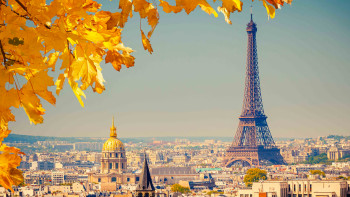
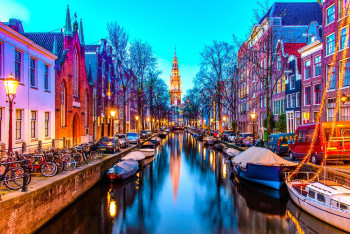
The Netherlands has one fixed date that decides many trips: Keukenhof gardens open only for about eight weeks each spring, from 18 March to 9 May in 2027. The tulip fields around Lisse are at their best from about mid-April. Paris is pleasant from April to October; July and August bring heat and, in August, many small restaurants close while Parisians are away. In winter the cities are cold but fully open, with museums less crowded than in any other season.
Italy, Spain, Portugal and Greece: April to early June, mid-September to October
The Mediterranean is where timing matters most. In July and August Rome, Florence, Seville and Athens regularly pass 35°C, the Vatican and Acropolis queues are longest, and the Greek islands are full of European families. In spring and autumn the same places are 20–27°C, and the sea in Santorini or on the Amalfi Coast stays warm enough to swim into October. From November to March many island hotels and seasonal ferries close, so Santorini and Mykonos are summer-half-of-the-year destinations; Rome, Barcelona and Lisbon work all year.
Norway, Sweden, Finland and Iceland: two different seasons
The north has two good seasons that give completely different trips. From late May to August, the fjords, the Flåm railway and the Lofoten islands are green, and above the Arctic Circle the sun does not set for weeks around June. From September to March, clear dark nights bring the northern lights to Tromsø, Abisko and Rovaniemi; Lapland adds Santa Claus village and husky rides in December. The months between, April and October to early November, are quieter and cheaper but less dependable for either.
Schengen visa timing around Indian school holidays
For Indian passport holders, the visa appointment is often the real limit on when you can travel. As of November 2026, a Schengen application can be filed up to six months before travel and no later than 15 days before. In practice, slots for May and June departures are scarce: in May 2026 appointment dates at Delhi, Mumbai and other centres were being taken within minutes of release, with Spain, France, Germany, Italy and Greece the hardest to book.
| You want to travel in | Start the visa file by | Why |
|---|---|---|
| Mid-May to June (school vacation) | January to February | Peak demand from Indian families; slots for the main consulates release in batches and go fast |
| July to August | March to April | Still busy; students and business travellers add to the queue |
| September to October (including Diwali 2027) | June to July | Moderate demand; easier slots |
| December (Christmas and New Year) | August to September | Demand rises again from October |
| January to April | Six to eight weeks ahead | The easiest time to get an appointment |
- Apply to the right country: the main destination (most nights) decides the consulate, not the first port of entry. Choosing a country only because it has earlier slots can lead to refusal.
- New at the border since 10 April 2026: the EU Entry/Exit System now records fingerprints and a facial photo of non-EU visitors at the first Schengen airport instead of a passport stamp. On busy summer mornings this has added time at immigration, so allow longer for connections.
- ETIAS, the new online travel authorisation, is for visa-free nationalities; Indians who hold a Schengen visa do not need it.
Our Schengen visa for Indians guide covers documents and fees. We prepare and submit the file and book the appointment; approval is always the embassy's decision, which is another reason to hold hotels on flexible terms until the visa is in hand.
Indian holidays and the European calendar
Most Indian families do not choose the month freely. Here is how the usual Indian breaks line up with Europe.
- Summer vacation (roughly mid-May to mid-June for most boards; early May to early June in Gujarat): good weather everywhere, but it is the single busiest period for Indian visitors in Switzerland and Paris, and airfares from India are at their highest. Book hotels by February. The first half of May is noticeably calmer than the second half of June.
- Diwali (about 29 October 2027): a strong match. Late October has autumn colour in Switzerland and the Rhine valley, mild days in Rome and Barcelona, and the northern lights already active in Norway and Finland. Clocks go back in Europe on the last Sunday of October, so evenings get dark by about 5.30 pm.
- Christmas to New Year: markets, lights and snow, but hotels in Paris, Vienna, Prague and the Swiss resorts charge their highest rates from about 22 December to 2 January, and many museums close on 25 December and 1 January.
- Easter (28 March 2027): European school holidays fill Rome, Amsterdam and Paris for about two weeks around it, and the Vatican is at its busiest in Holy Week.
- European summer holidays (July and August): Europeans travel at the same time; beach towns, Greek islands and ferries are full and expensive.
Families from Gujarat can see how this works with flight timings from SVPI on our Europe tour packages from Ahmedabad page; travellers from Mumbai and Delhi have their own Europe from Mumbai and Europe from Delhi pages.
Shoulder seasons: why late April, May and September win
"Shoulder season" means the weeks either side of the European summer peak. For a first trip covering Paris, Switzerland and Italy, these are the weeks we suggest most often.
| Window | What you get | What to accept |
|---|---|---|
| Late April to mid-May | Tulips, blossom, long days, most mountain lifts open, warm but not hot in Italy | Snow still at Titlis and Jungfraujoch; cool evenings |
| Early to mid-June | The longest days of the year, green Alps, swimmable lakes | Indian school-holiday demand; higher fares |
| September | Settled weather, warm sea, fewer families, calm trains | Hotels in Paris still busy with trade fairs; Oktoberfest makes Munich expensive late in the month |
| Early October | Autumn colour, grape harvest, comfortable Rome | Shorter days; first snow can close high passes |
As a rough guide, the same itinerary costs noticeably less in September or late April than in June or July, mainly because of airfares and Swiss and Paris hotel rates. The detailed season-by-season cost comparison is on our Europe trip cost page.
Europe in winter: snow, Christmas markets and the northern lights
Winter suits travellers who want an experience rather than a long list of sights. Days are short: in Paris and Zurich the sun sets at about 4.45 to 5 pm in December, and in Tromsø the sun does not rise at all from about late November to mid-January.
- Christmas markets: most open in the last week of November and run until 23 or 24 December, with Vienna, Strasbourg, Cologne, Prague, Zurich and Salzburg among the best known. Weekday evenings are calmer than Saturdays. Vegetarian food is easy at the markets: roasted chestnuts, potato pancakes, crêpes and non-alcoholic punch.
- Snow: reliable in the Swiss and Austrian mountain resorts from mid-December to March; snow in Paris, Amsterdam or Rome is rare and short-lived.
- Northern lights: the season runs from about September to March in northern Norway, Swedish and Finnish Lapland and Iceland. You need dark, clear skies, so three or four nights in one place improves the odds; no one can promise a sighting on a given night.
- Ski trips and snow honeymoons: January to early March has the best snow; February is busy with European school ski weeks.
Winter is also the easiest season for visa appointments and the cheapest for Paris, Rome and Amsterdam outside the Christmas fortnight. Pack properly: thermals, a waterproof jacket, gloves and shoes with grip for icy pavements.
Best time to visit Europe by traveller type
| Traveller | Best months | Why | Think twice about |
|---|---|---|---|
| First-time families | May; early June; September | Mountain railways open, mild cities, long days for children | The second half of June, when trains and hotels are fullest |
| Parents above 60 | Late April to May; September to early October | Comfortable temperatures for walking, fewer crowds at queues | July and August heat in Italy and Paris; icy pavements in winter |
| Honeymoon couples | June; September; December to February for snow | Long evenings or snowy Alpine villages | Christmas fortnight prices |
| Beach and islands | June; September | Warm sea in Greece, Spain and Italy without peak crowds | November to March, when island hotels close |
| Northern lights seekers | Late September to March | Dark skies above the Arctic Circle | Short trips of one or two nights |
| Tulip and flower lovers | Mid-April to early May | Keukenhof and the bulb fields in bloom | Visiting after 9 May 2027, when Keukenhof has closed |
| Budget travellers | January to March (not Easter); November | Lowest city hotel rates, easiest visa slots | Mountain lift closures in November |
| Photographers | October; June | Autumn colour or long golden evenings | Haze and crowds in midsummer |
What to pack by season
- Spring and autumn: layers, a warm jacket for the mountains and a compact umbrella; one trip can run from 5°C at a summit to 25°C in Rome.
- Summer: cotton clothes, sunscreen, a cap and a refillable bottle, plus a light jacket for mountain tops. Sightsee in Rome, Florence and Athens in the morning and evening.
- Every season: shoulders and knees covered for St Peter's and other churches, and a universal plug adapter.
Pure-veg and Jain meals are easier in Paris, London, Zurich and Rome, which have Indian restaurants, than in small Alpine villages and Greek islands. We arrange Indian meals in advance where needed.
How we plan a Europe trip around the season
- Spring classic (late April to May, 10–12 nights): Paris, the Swiss lake towns with Jungfraujoch or Titlis, and Amsterdam for Keukenhof, or Venice and Rome instead.
- Summer north (June to August): Switzerland and Austria, or the Norwegian fjords, keeping the hot south short.
- Autumn and Diwali (September to October): Italy and Switzerland with autumn colour, or a Mediterranean coast while the sea is warm.
- Winter (December to February): Christmas markets in Vienna and Prague, Swiss snow villages, or four nights in Lapland for the aurora.
- Private and customised: your own dates and pace, hotels chosen for location and lifts, private transfers where they help; families and friends travel as a private group on their own schedule.
- Visa calendar first: we work back from your travel month to the appointment date, prepare and submit the file; approval is at the embassy's discretion.
- 11 years of planning holidays from our C G Road office in Ahmedabad; trips are planned by our team there and booked on WhatsApp or phone, with 24×7 support while you travel. IATA-accredited; member of TAAI, TAFI, ADTOI and IATO; recognised by the Ministry of Tourism, Government of India.
Browse itineraries with live prices on our Europe tour packages page. If Europe does not fit your dates, our best time to visit Turkey guide covers a nearby option with a simpler visa for those holding a Schengen visa, and all our seasonal guides are on the holiday guides page.
Plan your trip with Vibrant Holidays
Tell us your dates, budget and who is travelling. We reply with a day-wise plan and a clear price, usually the same day.
Get a Free Quote WhatsApp 9089090790Best Time to Visit Europe: FAQs
Which is the best month to visit Europe?
For a first trip covering Switzerland, Paris and Italy, May and September are the best months. Mountain railways are open, cities are mild, and crowds are smaller than in July and August. Early June and early October come next. If you want snow or the northern lights instead, choose December to February and accept short daylight hours.
What is the cheapest time to visit Europe from India?
January to March, outside Easter and ski weeks, and November are usually the cheapest for flights and city hotels, and visa appointments are easiest to get. The trade-off is cold weather and short days, and in November some Swiss mountain lifts close for maintenance. September and late April give better weather at moderate prices.
When should I apply for a Schengen visa for a May or June trip?
Start in January or February. As of November 2026 you can apply up to six months before travel and no later than 15 days before, but summer slots in Indian cities fill very quickly. We book the appointment as soon as dates are fixed and keep hotels on flexible terms until the visa is granted, since approval is the embassy decision.
Is Europe good to visit during Diwali?
Yes. Diwali falls on about 29 October in 2027, when Switzerland and the Rhine valley have autumn colour, Rome and Barcelona are comfortable, and the northern lights season is under way in Norway and Finland. Evenings get dark early after the clocks change on the last Sunday of October, so plan sightseeing for daylight hours.
Is it worth visiting Europe in winter?
It is, if you want snow, Christmas markets or the aurora rather than long sightseeing days. Swiss and Austrian resorts have reliable snow from mid-December, markets run from late November to Christmas Eve, and cities are quieter outside the holiday fortnight. Expect sunsets around 5 pm and pack thermals, a warm coat and shoes with grip.
When is the best time to see snow in Switzerland?
Snow is always present at Jungfraujoch and Titlis, even in summer. For snow in the villages and on the slopes, travel from mid-December to early March, with January and February the most reliable. Late March and April often have snow up high and green valleys below, which suits families who want both.
When can I see the northern lights in Europe?
The season runs from about September to March above the Arctic Circle in Tromsø, Abisko, Rovaniemi and Iceland. Clear, dark skies are needed, so stay three or four nights in one place to improve the odds. No operator can promise a sighting on a particular night, and cloud is the most common reason people miss it.
When does Keukenhof open in 2027?
Keukenhof is scheduled to open from 18 March to 9 May 2027. The tulips are usually at their best from about mid-April, depending on how cold the late winter has been. Weekends and the Easter period are the busiest days, so a weekday visit with a pre-booked time slot is more comfortable.
Is July a good time to visit Europe?
July is good for Switzerland, Austria and the Norwegian fjords, with long days and every mountain route open. It is the hardest month for Rome, Florence, Athens and Seville, where heatwaves above 35 degrees are now common, and for the Greek islands, which are full of European holidaymakers. Keep the southern part short in July.
What is the best time to visit Europe with senior citizens?
Late April to May and September to early October. Temperatures suit long walks and queues, trains are less crowded, and the mountain excursions are open. Avoid midsummer heat in Italy and Paris and icy winter pavements. We choose hotels near stations, with lifts, and keep two or three nights in each place to reduce packing days.
How many days are enough for Europe on a first trip?
Ten to twelve nights covers two or three countries comfortably, such as Paris, Switzerland and Italy. Seven nights suits one or two countries. In winter, add a night because daylight is short, and in the May to June rush, book the Swiss and Paris hotels first, since they fill earliest with Indian families.
