Wildlife Tour Packages
Asiatic lions three hours from home, tigers in Madhya Pradesh, rhinos in Assam and the Masai Mara migration – safaris planned with permits booked, seasons right and the right lodge for your family.
Gujarat is the only place on earth with wild Asiatic lions, and most Ahmedabad families have seen them at Gir. Far fewer have seen a tiger – and the reason is almost always logistics: safari permits that sold out, a park that was closed for the monsoon, or a lodge booked in the wrong zone. Wildlife travel rewards planning more than any other kind of holiday, and that is what this page is about.
Below: every park we plan from Ahmedabad, with its season, closure months, permit system and the animals you can realistically expect; the lodge categories and what they cost; how to do a safari with young children or grandparents; and the African safaris – Kenya and South Africa – that Gujarati families increasingly book for a milestone trip. Every safari trip is private – your own vehicle between parks, your own dates, your own jeep where the park allows it.
Available holiday packages





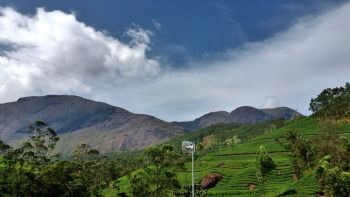
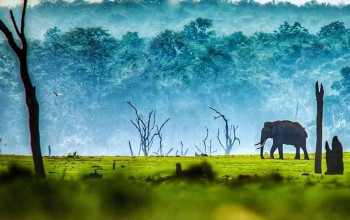
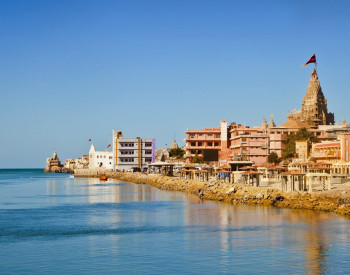
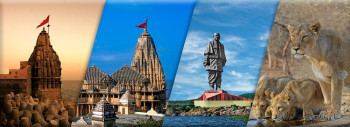
Safari parks from Ahmedabad – season, closures, permits and what you will see
| Park | Open season | Closed | Best months | Permits | Key species |
|---|---|---|---|---|---|
| Gir (Gujarat) | 16 October – 15 June | 16 June – 15 October (monsoon); Devalia safari park open year-round | December – March; April – May for sightings in the heat | Online, 3 months ahead, 6 per jeep; weekends and Diwali sell out in hours | Asiatic lion, leopard, sambar, chital, crocodile |
| Ranthambore (Rajasthan) | 1 October – 30 June (zones 1–5); zones 6–10 open in monsoon | July – September for core zones | October – April; May – June for tigers at waterholes | Online, 90 days ahead; zone allotment is by the forest department | Tiger, leopard, sloth bear, marsh crocodile |
| Kanha (MP) | 1 October – 30 June | 1 July – 30 September | November – April | Online, 120 days ahead; Kisli, Mukki, Kanha, Sarhi zones | Tiger, barasingha, gaur, wild dog |
| Bandhavgarh (MP) | 1 October – 30 June | 1 July – 30 September | November – April | Online, 120 days ahead; Tala is the premium zone | Tiger (highest density in India), leopard, sloth bear |
| Pench (MP / Maharashtra) | 1 October – 30 June | 1 July – 30 September | November – April | Online, 120 days ahead | Tiger, leopard, wild dog, 300+ birds |
| Tadoba (Maharashtra) | Year-round core (Tuesdays closed); buffer zones open in monsoon | Core closed on Tuesdays | October – May; monsoon safaris in buffer | Online, 120 days ahead; Moharli and Kolara the main gates | Tiger (very good sightings), sloth bear, gaur |
| Jim Corbett (Uttarakhand) | Zones vary: Dhikala 15 November – 15 June; Bijrani, Jhirna, Dhela most of the year | Dhikala closed mid-June – mid-November | November – May | Online, 45 days ahead; Dhikala stay inside the forest rest house is the prize | Tiger, elephant, otter, 600 bird species |
| Kaziranga (Assam) | 1 October – 31 May (some ranges from 1 November) | June – September (floods) | November – April | At the gate / through the lodge; jeep and elephant safaris | One-horned rhino (two-thirds of the world's population), wild buffalo, elephant, tiger |
| Periyar (Kerala) | Year-round | None | October – May | Boat tickets at the gate; bamboo rafting and nature walks through the eco-development committee | Elephant, gaur, sambar, Nilgiri langur, birds |
| Sundarbans (West Bengal) | Year-round; best by boat | None, but monsoon is rough | November – February | Through licensed boat operators; foreigners need extra permit | Royal Bengal tiger (rare sightings), estuarine crocodile, spotted deer, water birds |
| Kenya – Masai Mara, Amboseli, Lake Nakuru | Year-round | None; April – May long rains | July – October (migration), January – February | Park fees paid through the lodge; e-visa for Indians | Big Five, wildebeest migration, cheetah, flamingos |
| South Africa – Kruger, Pilanesberg, Cape | Year-round | None | May – September (dry, cool) | Park fees at the gate; visa application required for Indians | Big Five, penguins at Boulders, whales at Hermanus (June – November) |
Permit rules and closure dates are set by each forest department and change; we confirm the current calendar when you book and apply for permits the day the window opens.
Wildlife trip budgets from Ahmedabad (per person)
Twin sharing, lodge with all meals (standard in most parks), listed safaris with permits and jeep, private vehicle between airport and park, including return flights from Ahmedabad where flown; excluding camera fees, tips and visa for Africa.
| Trip | Nights / safaris | Standard lodge | Premium lodge | Luxury camp |
|---|---|---|---|---|
| Gir + Somnath + Diu (by road) | 3N / 2 safaris | ₹12,000 – 16,000 | ₹18,000 – 26,000 | ₹35,000+ |
| Ranthambore (by road or train via Sawai Madhopur) | 2N / 3 safaris | ₹14,000 – 18,000 | ₹22,000 – 32,000 | ₹50,000+ |
| Jawai leopard camp + Kumbhalgarh (by road) | 2N / 3 drives | ₹16,000 – 22,000 | ₹28,000 – 40,000 | ₹60,000+ |
| Kanha + Bandhavgarh (fly to Jabalpur) | 5N / 6 safaris | ₹38,000 – 48,000 | ₹55,000 – 75,000 | ₹1,10,000+ |
| Tadoba + Pench (fly to Nagpur) | 4N / 5 safaris | ₹32,000 – 42,000 | ₹48,000 – 65,000 | ₹95,000+ |
| Jim Corbett + Nainital (fly to Delhi) | 4N / 3 safaris | ₹28,000 – 36,000 | ₹42,000 – 55,000 | ₹80,000+ |
| Kaziranga + Shillong (fly to Guwahati) | 5N / 3 safaris | ₹36,000 – 46,000 | ₹50,000 – 65,000 | ₹90,000+ |
| Periyar within a Kerala circuit (fly to Kochi) | 5N / 1 boat + rafting | ₹28,000 – 36,000 | ₹38,000 – 50,000 | ₹70,000+ |
| Sundarbans + Kolkata (fly to Kolkata) | 3N / 2 days on boat | ₹22,000 – 28,000 | ₹32,000 – 42,000 | – |
| Kenya – Nairobi, Masai Mara, Lake Nakuru, Amboseli | 6–7N / 8–10 drives | ₹1,80,000 – 2,30,000 | ₹2,60,000 – 3,50,000 | ₹5,00,000+ |
| South Africa – Kruger + Cape Town + Garden Route | 9–10N / 4–6 drives | ₹2,20,000 – 2,80,000 | ₹3,20,000 – 4,20,000 | ₹6,00,000+ |
Wildlife packages on this page start under ₹15,000 per person for a Gir or Ranthambore trip by road. Safari permit and jeep costs are usually ₹4,000–7,000 per jeep per drive in Indian parks (shared by up to six), and are listed separately on every quote.
Gir – the lions in our backyard
Sasan Gir is about 350 km from Ahmedabad – 6 to 7 hours by road, or an overnight train to Junagadh or Veraval. The park runs three jeep-safari slots a day (early morning, late morning, afternoon) in the core zone, with six seats per jeep and a guide; permits are issued online three months ahead and the weekend, Diwali and Christmas slots are gone within hours of release, so we book the day the window opens. If permits are unavailable, the Devalia Safari Park (interpretation zone) offers a 45-minute bus or jeep drive with near-certain lion sightings and is open through the monsoon except Wednesdays.
Three nights is ideal: two safaris at Gir, Somnath temple for the evening aarti (about 45 km), and a night at Diu's beaches (about 90 km). Lodges range from forest-department guest houses and Gujarati-run resorts with pure-veg kitchens to luxury tented camps on the park periphery. December to March is comfortable; April–May is hot but sightings at waterholes are the best of the year.
Tiger reserves – Ranthambore, Madhya Pradesh and Tadoba
- Ranthambore: the closest tiger reserve to Ahmedabad – an overnight train to Sawai Madhopur or an 11-hour drive via Udaipur and Kota, often combined with Jaipur. Ten zones; 1–5 are the classic core with the fort and lakes, 6–10 are quieter and open in the monsoon. Three safaris over two nights give a realistic 60–70% chance of a tiger. Permits open 90 days ahead and zone allotment is random for online bookings; premium "full jeep" bookings let you pick.
- Bandhavgarh: India's highest tiger density; the Tala zone is the most sought after. Fly Ahmedabad–Jabalpur (one stop) and drive 3–4 hours. Pair with Kanha (5 hours away) for a 5–6 night tiger trip with six safaris – the best tiger odds in India for a first-timer.
- Kanha: the Jungle Book forest – sal and meadow, barasingha, excellent sightings in Kisli and Mukki. Lodges are the best in central India.
- Pench and Tadoba: both reached from Nagpur (one-stop flight from Ahmedabad, about 2 hours drive). Tadoba has become the most reliable park in India for tiger sightings and is the only major reserve open through the monsoon in its buffer zones, which makes it the best July–September tiger option. Pench adds wild dogs and birding.
- Safari rhythm: morning drives start at dawn (5:30–6:30 am) and last 3–4 hours; afternoon drives 2:30–3 pm to sunset. Two drives a day with a long lunch break is the standard. Children under 5 are allowed but 3 hours in an open jeep in winter cold or May heat is hard on them.
Corbett, Kaziranga, Periyar and Sundarbans
- Jim Corbett: India's oldest national park. Dhikala, deep inside the park with forest rest houses, is the experience – it needs a day permit and a night booking that opens 45 days ahead and goes in minutes. Bijrani and Jhirna are the day zones. Fly Ahmedabad–Delhi and drive 6 hours, or take the train to Ramnagar. Combine with Nainital.
- Kaziranga: the one-horned rhino is almost guaranteed; elephants, wild buffalo and swamp deer are common, tigers are present but shy. Jeep safaris in the Central (Kohora), Western (Bagori) and Eastern (Agaratoli) ranges; the early-morning elephant safari is the highlight for children. Fly Ahmedabad–Guwahati (one stop), drive 4–5 hours; pair with Shillong and Cherrapunji.
- Periyar (Thekkady): a wildlife stop inside the standard Kerala circuit – a boat on Periyar lake for elephants and gaur at the water's edge, a full-day bamboo rafting and forest walk with tribal guides, and a night patrol walk. Gentle, suitable for every age, and pure-veg food is easy in Thekkady.
- Sundarbans: the world's largest mangrove forest, explored only by boat with overnight stays on the boat or at village lodges. Tigers are rarely seen; the experience is the delta itself – crocodiles, kingfishers, mudskippers, the silence. November to February from Kolkata; 2 nights.
Africa – Kenya and South Africa safaris from Ahmedabad
- Kenya (6–7 nights): fly Ahmedabad–Nairobi via Mumbai or Dubai (about 8–10 hours total). The classic route: Nairobi (giraffe centre, elephant orphanage) – Lake Nakuru or Naivasha (flamingos, rhinos) – Masai Mara (2–3 nights, the Big Five and, from July to October, the wildebeest migration and river crossings) – Amboseli (elephants against Kilimanjaro). Game drives are in a private 4x4 or minivan with a driver-guide; a hot-air balloon over the Mara at dawn is the splurge. Lodges serve Indian vegetarian food widely – Kenya's Gujarati community makes pure-veg and Jain easy, and several Mara camps have Indian chefs. E-visa for Indians, which we prepare and submit.
- South Africa (9–10 nights): Kruger or a private reserve beside it (Sabi Sands) for 3 nights of Big Five drives in open vehicles, then Cape Town (Table Mountain, Cape Point, penguins at Boulders Beach, winelands) and the Garden Route. Malaria-free alternatives – Pilanesberg and Madikwe near Johannesburg – suit families with small children. Flights via Dubai, Doha or Addis Ababa. A visa application is required for Indians; approval is at the consulate's discretion, so we start 8 weeks ahead. Durban and Johannesburg have large Gujarati communities and pure-veg restaurants.
- Health: yellow-fever vaccination is required for Kenya and must be done at least 10 days before travel at a government-approved centre in Ahmedabad; malaria prophylaxis is advised for the Mara and Kruger, which is why malaria-free South African reserves are our pick for families with children under 10.
Safaris with children and senior citizens
- Children under 5: Gir's Devalia park (45 minutes, enclosed vehicle), Periyar's boat, Kaziranga's elephant safari and Jawai's short evening drives work; 3–4 hour core-zone jeep safaris mostly do not. Many Indian parks require children to be seated and quiet – a sleeping toddler is ideal, a bored one is not.
- Children 6–14: the ideal age. Bandhavgarh, Tadoba, Ranthambore and Kenya are memorable; we book a full jeep for the family so there is no pressure from strangers and the guide can slow down for questions.
- Senior citizens: open jeeps on rough tracks for 3 hours are tiring; we book the premium "full jeep" for space, carry cushions and blankets, choose lodges with ground-floor rooms close to the dining area, and schedule one safari a day rather than two. Periyar, Gir, Jawai and Kenya's minivan safaris are the gentlest.
- Everyone: dress in khaki, olive or brown (bright colours and white are discouraged), carry binoculars, a hat, sunscreen and a warm jacket for winter mornings (central Indian forests are near 5°C at dawn in January), and keep expectations honest – a tiger is probable over three drives, never certain.
Why book your wildlife holiday with Vibrant Holidays
- 11 years, Ahmedabad office: we have been booking Gir permits for Gujarati families since the online system began and know every park's calendar. Visit us on C G Road (Monday to Saturday) or plan on WhatsApp. IATA-accredited; member of TAAI, TAFI, ADTOI and IATO; recognised by the Ministry of Tourism.
- Live prices, no bait: permit, jeep, guide and camera fees are itemised on every quote; the price on this page is a bookable package.
- Pure-veg and Jain meals confirmed in writing at every lodge – including Kenyan and South African camps.
- Flights from Ahmedabad booked with the package, and a private vehicle from the airport to the park gate and between parks.
- 24×7 on-tour support – if a park closes for a day or a permit is reassigned, we rebook while you are still at breakfast.
Wildlife tour packages – frequently asked questions
Which is the best wildlife destination near Ahmedabad?
Gir National Park, about 6–7 hours by road, the only home of the wild Asiatic lion, with Somnath and Diu nearby for a 3-night trip at ₹12,000–26,000 per person. Jawai's leopard hills (about 6 hours) and Ranthambore (overnight train to Sawai Madhopur) are the next closest, and Ranthambore is the nearest tiger reserve.
When is Gir National Park open and how do we get permits?
Gir is open from 16 October to 15 June and closed for the monsoon; the Devalia Safari Park stays open year-round except Wednesdays. Jeep permits are issued online three months ahead for three daily slots, six seats per jeep, and weekend, Diwali and Christmas slots sell out within hours. We book the day the window opens and include the jeep and guide in your package.
Which park gives the best chance of seeing a tiger?
Bandhavgarh and Tadoba have the highest sighting rates, followed by Ranthambore and Kanha. Over three safaris in Bandhavgarh or Tadoba a sighting is probable, though never guaranteed. A 5–6 night Kanha–Bandhavgarh trip from Jabalpur with six safaris is the best first tiger trip from Ahmedabad; Tadoba is the only good option in the monsoon.
How much does a wildlife tour package cost?
Gir, Ranthambore and Jawai trips by road cost ₹12,000–40,000 per person for 2–3 nights depending on the lodge. Kanha–Bandhavgarh, Tadoba–Pench, Corbett and Kaziranga trips cost ₹28,000–75,000 for 4–5 nights including flights. Kenya safaris cost ₹1,80,000–3,50,000 and South Africa ₹2,20,000–4,20,000 per person for 7–10 nights.
Are Indian national parks closed during the monsoon?
Most core zones close from 1 July to 30 September (Kanha, Bandhavgarh, Pench) or mid-June to mid-October (Gir, Ranthambore zones 1–5, Corbett's Dhikala). Exceptions: Tadoba's buffer zones, Ranthambore zones 6–10, Gir's Devalia park, Periyar and the Sundarbans stay open. Kaziranga closes for floods from June to September.
How far in advance must safari permits be booked?
Kanha, Bandhavgarh, Pench and Tadoba open 120 days ahead; Ranthambore and Gir 90 days; Corbett 45 days. Weekend, Diwali, Christmas and the premium zones go within hours of release, so we ask for your dates 3–4 months ahead and book on day one. Full-jeep bookings cost more but let you choose the zone.
Is a safari suitable for small children and senior citizens?
With the right park, yes. Gir's Devalia drive, Periyar's boat, Kaziranga's elephant safari and Jawai's short leopard drives suit toddlers and grandparents. Three-hour core-zone jeep safaris are better from age 6. For seniors we book a full jeep for space, carry cushions and blankets, choose ground-floor lodge rooms and schedule one drive a day.
Is pure-vegetarian or Jain food available at safari lodges?
Yes. Gir and Jawai lodges are run largely by Gujaratis and are pure-veg by default. Lodges in Ranthambore, Madhya Pradesh, Tadoba, Corbett and Kaziranga serve all meals in-house and cook Jain on advance request, which we confirm in writing. Kenya's Gujarati community makes vegetarian and Jain food easy even in Mara camps.
What is the best time for a Kenya safari and do we need vaccinations?
July to October for the wildebeest migration in the Masai Mara, and January–February for dry-season game viewing with fewer visitors. A yellow-fever vaccination certificate is mandatory for Kenya, taken at least 10 days before travel at an approved centre in Ahmedabad, and malaria prophylaxis is advised. We prepare and submit the Kenyan e-visa application; approval is at the authority's discretion.
Kenya or South Africa – which safari should we choose?
Kenya for the classic open-savannah safari, the migration and the shorter trip (6–7 nights, ₹1,80,000–3,50,000 per person). South Africa for Big Five drives plus Cape Town, the winelands and the Garden Route in 9–10 nights (₹2,20,000–4,20,000), and malaria-free reserves like Pilanesberg and Madikwe that suit families with young children.
Plan your wildlife holiday with Vibrant Holidays
- Gujarat tour packages – Gir, Somnath, Diu
- Rajasthan tour packages – Ranthambore and Jawai
- Madhya Pradesh – Kanha, Bandhavgarh, Pench
- Maharashtra tour packages – Tadoba
- Uttarakhand tour packages – Jim Corbett
- North East tour packages – Kaziranga
- Kerala tour packages – Periyar
- South Africa tour packages
- Family tour packages
- Luxury holiday packages
Updated October 2026 by the Vibrant Holidays team, Ahmedabad.

