Monsoon Destinations in India: Where to Go from June to September, and Where Not To
The monsoon turns the Western Ghats, Kerala and Meghalaya into the greenest places in the country and closes roads, beaches and parks elsewhere. Here is how to tell the two apart, month by month.
The best monsoon destinations in India are places where rain is the attraction rather than the obstacle: waterfalls in the Western Ghats, tea slopes in Munnar, clouds rolling through Sohra, the lakes of Udaipur filling up. Pick wrongly and the same rain gives you a closed ghat road, a cancelled ferry or a wildlife park with its gates shut until October.
India Meteorological Department's normal dates put the monsoon over Kerala around 1 June and over the whole country by about 8 July; it starts withdrawing from north-west India from about mid-September. That makes June to September four different months, not one season. This guide rates each destination on rain intensity and road risk, sets out what each month is good for, lists the places our team in Ahmedabad steers families away from in July and August, explains what actually gets cheaper, and ends with safety rules and a packing list. For the first month of the season in detail, see best places to visit in June. Facts are as of November 2026; closures change every year and we check them before you travel.
Updated November 2026 by the Vibrant Holidays team, Ahmedabad.
Holiday packages for the places in this guide
Our latest matching packages on Vibrant Holidays — 2 to 10 nights. Every package can be customised for departure from your city.


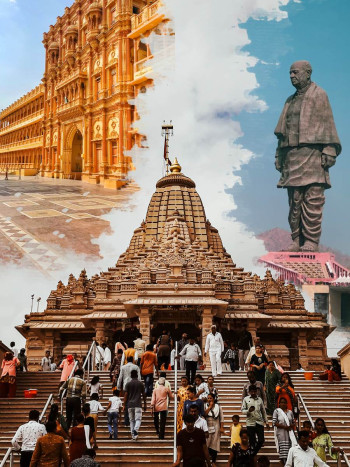
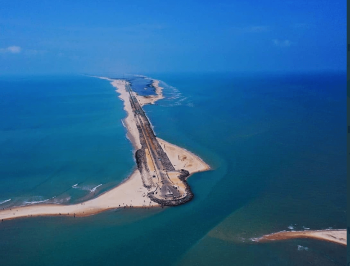
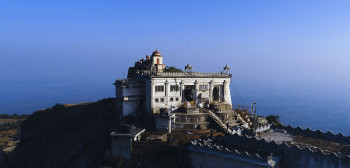
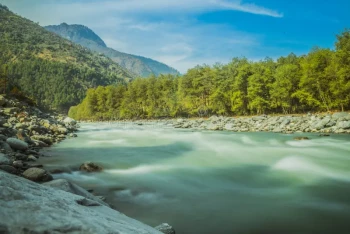
Monsoon destinations rated: rain, road risk and verdict
"Rain" is how wet a typical day feels in July and August. "Road and closure risk" is the chance that a landslide, flood or official order changes your plan. A high rating does not mean dangerous if you follow local orders; it means keep a spare day.
| Destination | Best monsoon window | Rain | Road and closure risk | Verdict |
|---|---|---|---|---|
| Udaipur and Kumbhalgarh | Mid-July – September | Light to moderate showers | Low | Excellent; lakes full, Sajjangarh and the Aravallis green |
| Mount Abu | July – September | Moderate, frequent fog | Low to medium on the ghat | Good short trip from Gujarat; views come and go |
| Saputara and the Dang forest | July – August | Heavy, in bursts | Medium on the Waghai ghat | Very good for Gujarat families; Gira falls at its fullest |
| Polo Forest (Vijaynagar) | July – September | Moderate | Low | Good day trip or one night from Ahmedabad |
| Lonavala, Khandala, Igatpuri | Late June – September | Heavy | Medium; crowded weekends, restricted spots | Good on weekdays; avoid Saturday traffic on the expressway exits |
| Mahabaleshwar and Panchgani | Late September is better | Very heavy, among the wettest hill stations in India | High: view points and lakes are often shut | Not recommended in July–August; go in late September |
| Munnar and Thekkady | June – September | Heavy, with breaks | Medium: small slides on the Kochi–Munnar road | Very good for a quiet, green trip |
| Alleppey and Kumarakom | June – September | Heavy showers | Low; houseboats stop only in red alerts | Good; covered deck, rain on the backwaters |
| Wayanad | September | Very heavy in July | High in peak spells | Go late in the season; check district orders |
| Coorg and Chikmagalur | Late June – September | Heavy | Medium; leeches on estate walks | Very good for estate stays |
| Shillong and Sohra (Cherrapunji) | June – September | Very heavy at Sohra and Mawsynram | Medium; root-bridge steps slippery | Very good for rain lovers; base in Shillong |
| Valley of Flowers | Mid-July – mid-August for blooms | Moderate in the valley | High on the Rishikesh–Joshimath road | Worth it with two buffer days |
| Leh, Nubra, Pangong | June – mid-September | Very little | Low if you fly in; higher on the Manali road | Excellent; the main rain-shadow escape |
| Spiti | Mid-June – September | Little in Spiti itself | High on the approach roads through Kinnaur or Kunzum | Only for flexible travellers with spare days |
| Goa (inland and resorts) | July – September | Heavy | Low on roads; sea closed to swimming | Fine for a resort break; not a beach holiday |
Month by month: what June, July, August and September are each good for
| Month | What is happening | Good choices | Think twice |
|---|---|---|---|
| June | Monsoon moving north from Kerala; Gujarat and Delhi usually wet only in the last week | Ladakh, Kashmir, Valley of Flowers opens, Munnar | Goa and Andaman from mid-June |
| July | Whole country covered; the heaviest month on the Western Ghats | Udaipur, Saputara, Lonavala on weekdays, Shillong, Leh | Mahabaleshwar, Wayanad, Uttarakhand and Himachal hill roads |
| August | Rain continues; long weekends around Independence Day and Raksha Bandhan fill hotels | Valley of Flowers in bloom, Ladakh, Coorg, Kerala backwaters, Saputara Monsoon Festival | Kedarnath and Badrinath roads, Kinnaur, North Sikkim |
| September | Monsoon withdrawing from the north-west; waterfalls still full, roads recovering | Mahabaleshwar and Kaas plateau flowers, Wayanad, Spiti, Udaipur, early Char Dham after mid-month | Andaman until October; Gir, Kaziranga and most tiger reserves stay shut |
Parks closed in the rains: most of India's big wildlife parks shut their core zones for the monsoon. In 2026 Gir's lion safari was closed until 15 October, while the Devaliya and Ambardi safari parks near it stayed open; Kaziranga reopened on 3 October. If wildlife is the point of the trip, plan for October onwards.
The rain-shadow escape: Ladakh and Spiti
The Great Himalaya blocks most monsoon clouds, so Leh gets only occasional drizzle while Manali and Srinagar are soaked. That is why July and August are peak season in Ladakh, with every high road open and Pangong and Nubra at their easiest. Prices there go up, not down.
- Fly in: flying to Leh removes most of the monsoon risk. The Manali–Leh road crosses streams that swell in the afternoons, and the Himachal side between Manali and the Atal Tunnel sees landslides in heavy spells. The Srinagar–Leh road via Zoji La is usually the steadier of the two, but it too closes for hours after rain.
- Spiti needs patience: Kaza itself is dry, but both approaches are monsoon roads: via Shimla and Kinnaur, where the highway is cut by slides most summers, or via the Atal Tunnel and Kunzum, with river crossings at Chatru and Batal. Keep two spare days and do not plan a flight home the day you come out.
- Altitude still applies: Leh is about 3,500 m. Rest for the first 36–48 hours whatever the weather.
Our Ladakh trip cost guide adds up what a monsoon-season trip costs, and the Ladakh packages list current plans.
Western Ghats and the Konkan: waterfalls, fog and closures
From Saputara in the north to Wayanad in the south, the Ghats catch the full force of the monsoon. This is the most beautiful stretch of India in the rains and the one where local orders change most often.
Lonavala, Khandala, Igatpuri and Malshej
Two to three hours from Mumbai and Pune, so weekends are crowded and the Bhushi Dam and Tiger Point areas are often restricted by police on heavy-rain days and in the evenings. Stay midweek in a resort with a view and you get the waterfalls without the traffic. Igatpuri and Bhandardara are quieter alternatives on the Nashik side. Our weekend getaways from Mumbai page compares the closer options.
Mahabaleshwar and Panchgani: why we say wait
Mahabaleshwar receives some of the heaviest rain of any Indian hill station, and in peak monsoon a good part of the town effectively closes: boating at Venna Lake is usually suspended, some hotels shut for the season, and view points disappear in cloud. On 7 July 2026 the Satara district administration closed tourist points across the district, including Mahabaleshwar, Panchgani, Kaas plateau and Thoseghar falls, until further notice because of landslide and flooding risk. Late September, when the Kaas plateau flowers and the rain eases, is a far better time.
Goa off-season
Goa in July and August is a different place: red flags on the beaches, no water sports, many shacks closed, but Dudhsagar and the hinterland are spectacular and five-star resorts drop their rates sharply. It suits a couple or friends who want a pool, spa and long lunches, not a family wanting the sea. Swimming in the sea is unsafe and often banned through the monsoon.
Kerala and Karnataka in the rains
- Munnar and Thekkady: tea slopes at their greenest and cool days around 18–24°C. Short slides on the Kochi–Munnar road can hold you for an hour or two; drive in daylight only. Thekkady's boat ride on Periyar lake runs except in red alerts.
- Backwaters: houseboats run through the season with roll-down screens; the boats anchor by evening and rain on the water is restful. The Nehru Trophy snake-boat race on Punnamada lake is usually held in August.
- Ayurveda: Kerala treats the monsoon, especially the Malayalam month of Karkidakam in July–August, as the best time for treatment programmes of 7, 14 or 21 days. Book a certified centre, not a spa menu.
- Wayanad: after the July 2024 landslides in the Meppadi area, the district issues closure orders quickly during heavy spells. Plan Wayanad for September.
- Coorg and Chikmagalur: coffee estate stays are the reason to go: Abbey and Iruppu falls full, mist in the mornings. Wear leech socks for estate walks and keep to the main roads after dark.
Costs for a full Kerala holiday are in our Kerala trip cost guide; for the Karnataka hills see Coorg and Ooty tours.
Monsoon trips for Gujarat travellers: Saputara, Polo, Udaipur and Abu
For families in Ahmedabad, Vadodara and Surat the easiest monsoon holidays are by road, which removes flight cancellations from the equation.
| Place | From Ahmedabad | Why in the rains | Nights |
|---|---|---|---|
| Polo Forest | About 150 km, 3 hours | Old temples in the forest, streams, the Harnav dam | Day trip or 1 |
| Udaipur | About 260 km, 4–5 hours | Lakes filling, palace views across Pichola, cool evenings | 2–3 |
| Mount Abu | About 220 km, 4 hours | Cloud over Nakki lake, Dilwara temples, cooler than the plains | 2 |
| Saputara | About 400 km, 7–8 hours | Gira falls, the Dang forest, the Monsoon Festival | 2–3 |
| Wilson Hills and Dharampur | About 350 km, 6 hours | Quiet hill roads and waterfalls near Valsad | 1–2 |
The Saputara Monsoon Festival is organised by Gujarat Tourism each year; in 2026 it ran from early August to 29 August, with cultural programmes and Dang tribal food. Weekends in that window fill quickly. See Saputara tour packages from Ahmedabad and Udaipur and Mount Abu trips; Gir and Sasan safaris wait until mid-October.
Meghalaya and the Valley of Flowers: rain as the reason to go
Meghalaya
Sohra and Mawsynram compete for the title of the wettest place on earth, and in the monsoon the Nohkalikai and Seven Sisters falls are at full volume. Base yourself in Shillong, where it rains less, and make day trips. The double-decker root bridge at Nongriat involves roughly 3,000–3,500 steps each way, slippery in the rains: fit adults only. Dawki's clear river turns muddy in the monsoon, so save it for October to April. See Meghalaya packages.
Valley of Flowers
The national park was open from 1 June to 31 October in 2026. The flowers peak from mid-July to mid-August, with good colour from July into September. Entry for Indian visitors was ₹150 per permit, valid for three days; entry runs from 7 am to 2 pm and everyone must leave by 5 pm. The walk starts beyond Govindghat, with the night at Ghangaria and a further walk of about 3–4 km into the valley; ponies cover the first stage. The hard part is not the trek but the 10–12 hour drive from Rishikesh on a road that is often blocked in August. In early August 2026 more than 100 roads in Uttarakhand were closed by landslides. Plan two buffer days and do not fly out the evening you return to Rishikesh. Our Uttarakhand packages build those days in.
Where we advise against travelling in July and August
- Uttarakhand and Himachal hill roads: Kedarnath and Badrinath routes, Shimla–Kinnaur, Kullu–Manali and Dharamshala see landslides, cloudbursts and flash floods every year. Road closures of a day or more are common. If you must go, fly to the nearest airport and keep stays in towns with alternative exits.
- Andaman: inter-island ferries to Havelock (Swaraj Dweep) and Neil (Shaheed Dweep) are suspended on rough-sea days, and water sports stop. A trip can work as a Port Blair stay, but snorkelling and diving belong to October–April.
- North Sikkim and Darjeeling hills: slides on the roads to Lachung and Lachen and along the Teesta often close the route; permits are sometimes withheld.
- Beaches for families: Goa, Kovalam, Gokarna and the Konkan coast have rough seas and swimming bans.
- Wildlife holidays: core zones of most tiger reserves, Gir and Kaziranga are shut.
- Peak-spell Mahabaleshwar and Wayanad: covered above; go in late September.
Monsoon prices: what really gets cheaper
Rain destinations are off-season for hotels, so the saving is real, but it is in rooms, not everywhere. This is the general direction against the same hotel's winter peak, not a fixed discount; individual hotels set their own rates and long weekends break the pattern.
| Destination | Hotel rates in July–August vs winter peak | Notes |
|---|---|---|
| Goa | Largest fall of any destination | Biggest drop of any destination; beach shacks closed |
| Kerala | Clearly lower | Houseboats cheaper too; Onam weeks rise |
| Udaipur and Mount Abu | Lower on weekdays | Weekends and long weekends stay close to normal |
| Coorg and Chikmagalur | Somewhat lower | Popular estates still fill on weekends |
| Lonavala and Saputara | Weekday rates lower; weekends often higher than winter | The monsoon is their peak for drive-in visitors |
| Meghalaya | Slightly lower | Fewer rooms overall; book Shillong early |
| Ladakh | Peak rates | July–August is its high season |
Flights to rain destinations are usually cheaper outside the Independence Day and Raksha Bandhan long weekends. Car rates rarely change with season.
Safety rules and a monsoon packing list
Safety
- Check IMD district warnings the evening before each drive: an orange alert means plan for delays, a red alert means stay put.
- Drive hill and ghat roads only in daylight; our drivers are told to stop rather than push on in fog or heavy rain.
- Obey closures at waterfalls, dams and beaches. Most monsoon accidents in the Ghats happen at spots that were already marked unsafe.
- Do not cross a stream in flood on foot or by car, however shallow it looks.
- Keep at least one buffer day before an onward flight on any mountain trip.
- Buy travel insurance that covers trip interruption and cancellation for weather.
- Share the day's route with family; mobile networks drop on many ghat roads.
Packing
- A proper raincoat or poncho, plus a compact umbrella; ponchos work better on ponies and at waterfalls.
- Waterproof sandals or trekking shoes with grip; avoid canvas, which never dries.
- Quick-dry clothes and a spare set in a dry bag; a light fleece for Munnar, Shillong, Abu and Saputara evenings.
- Zip-lock pouches for phones and documents, a power bank, mosquito repellent.
- Leech socks or salt for Coorg, Wayanad and Meghalaya walks.
- Motion-sickness tablets for winding wet roads and any regular medicines in hand luggage.
Planning a monsoon trip with Vibrant Holidays
- Private trips only: your own dates, car and driver, so a closed road changes your day, not a group's schedule. Friends and extended families travel as a private group on their own dates.
- Buffer days built in: we add spare days on mountain routes and re-plan around closures as they happen.
- Pure-veg and Jain meals arranged on request and confirmed in writing with each hotel.
- One team in Ahmedabad: 11 years of planning from our C G Road office, Monday to Saturday, with 24×7 phone and WhatsApp support while you travel.
- Accredited: IATA-accredited; member of TAAI, TAFI, ADTOI and IATO; recognised by the Ministry of Tourism, Government of India.
Call 1800-313-4262 or browse more holiday guides and weekend getaways from Ahmedabad.
Plan your trip with Vibrant Holidays
Tell us your dates, budget and who is travelling. We reply with a day-wise plan and a clear price, usually the same day.
Get a Free Quote WhatsApp 9089090790Monsoon Destinations in India: FAQs
Which is the best place to visit in India during the monsoon?
For most travellers, Kerala's Munnar and backwaters, Coorg, Udaipur and Shillong are the best balance of rain scenery and manageable roads. Ladakh is the best if you want to escape the rain, because it lies in the Himalayan rain shadow. Gujarat families can choose Saputara, Polo Forest or Mount Abu by road.
Where should we not travel in the monsoon in India?
Avoid hill roads in Uttarakhand and Himachal in July and August, including the Kedarnath and Badrinath routes, Kinnaur and Kullu, because landslides and flash floods close roads often. Andaman ferries and water sports are disrupted, North Sikkim roads close, and beaches across Goa and the Konkan are unsafe for swimming.
Is it safe to visit Ladakh in July and August?
Yes, July and August are Ladakh's main season because the Himalaya blocks most monsoon rain. The roads within Ladakh are open and dry. The risk is on the approach roads from Manali and Srinagar, where rain causes delays, so flying into Leh is the safest choice. Allow two days to acclimatise.
Is Mahabaleshwar worth visiting in the monsoon?
Not in July and August for most people. It is one of the wettest hill stations in India; Venna Lake boating usually stops, some hotels close and view points vanish in cloud. In July 2026 the Satara administration shut the tourist points until further notice. Late September is far better, when the Kaas plateau flowers.
When is the Valley of Flowers open, and when is the best time?
In 2026 the Valley of Flowers was open from 1 June to 31 October. The peak bloom is mid-July to mid-August. Entry for Indians was ₹150 for a three-day permit, with entry from 7 am to 2 pm. The main risk is landslides on the road from Rishikesh, so keep two spare days.
Is Goa good in the monsoon?
Goa is good for a resort break in the monsoon, not for a beach holiday. Sea swimming is unsafe and often banned, water sports stop and many shacks close, but Dudhsagar falls and the green hinterland are at their best and resort rates often fall by half. It suits couples and friends more than families.
Is Kerala good to visit in the monsoon?
Yes, if you want greenery, quiet and lower prices rather than beaches. Munnar and Thekkady are cool and lush, houseboats run with covered decks, and July to August is the traditional Ayurveda season. Expect heavy showers with breaks and occasional short delays on hill roads. Wayanad is better left to September.
Which monsoon destinations are near Ahmedabad?
Polo Forest is about three hours away, Mount Abu about four and Udaipur four to five, all good in the rains. Saputara, about seven to eight hours by road, is Gujarat's main monsoon hill station and hosts the Monsoon Festival in August. Wilson Hills near Dharampur is a quieter choice with waterfalls.
Is Meghalaya safe in the monsoon?
Generally yes, with care. Shillong is a good base and the waterfalls around Sohra are at their fullest. Paths become slippery, especially the steps to Nongriat's root bridges, and short road blocks happen after heavy spells. Dawki's river turns muddy, so visit it between October and April instead.
Are hotels cheaper in the monsoon in India?
In most rain destinations, yes. Goa resorts often drop 40 to 60 percent against winter, Kerala 25 to 40 percent and Udaipur 20 to 35 percent. Drive-in hill stations such as Lonavala and Saputara get more expensive on monsoon weekends, and Ladakh charges peak rates because July and August are its high season.
Are national parks open in the monsoon?
Mostly not. Core zones of most tiger reserves close from about June to September or October. In 2026 Gir's lion safari stayed shut until 15 October, though the nearby Devaliya and Ambardi safari parks were open, and Kaziranga reopened on 3 October. Plan wildlife holidays from October onwards.
What should I pack for a monsoon trip?
A poncho or proper raincoat, a compact umbrella, waterproof sandals or grippy shoes, quick-dry clothes with a spare set in a dry bag, a light fleece for hill evenings, zip-lock pouches for phones and papers, mosquito repellent, leech socks for forest walks and motion-sickness tablets for wet winding roads.
