Best Time to Visit Australia: Seasons, Regions and Months for Indian Travellers
Australia's seasons run opposite to ours, and its tropical north follows a different clock from its cool south. Choose the month around the regions you want, then around school holidays and events on both sides.
The best time to visit Australia for a first trip that covers Sydney, Melbourne and the Gold Coast is September to November (spring) or March to May (autumn). In these months the southern cities are mild enough to walk all day, the Gold Coast is warm and dry, and air fares and hotel rates sit below the summer peak. If the Great Barrier Reef, Cairns or Uluru matter most, the answer moves to June to October, the dry, cooler months in the north and the centre. December and January are summer, the most crowded and expensive weeks of the year, with Sydney's New Year fireworks and the Australian Open as the reward.
Two facts shape every Australia calendar. The seasons are reversed, so our May–June vacation falls in their late autumn and early winter, and our Diwali falls in their spring. And the country is roughly the size of Europe, with the tropical north running a wet-and-dry year while the south has four seasons. This guide sets out a month-by-month table across five regions, then each region in detail, the wet and stinger seasons, Australian and Indian holidays, the big events of 2027, and which months suit which traveller. Dates are checked as of November 2026. For package prices and day-wise plans, see our Australia tour packages from Ahmedabad; for the rupee budget, see the Australia trip cost from India guide.
Updated November 2026 by the Vibrant Holidays team, Ahmedabad.
Holiday packages for the places in this guide
All 3 matching packages on Vibrant Holidays — 4 to 9 nights. Every package can be customised for departure from your city.

Australia month by month: five regions, crowds and prices
Average daytime highs in °C, rounded. Nights in Melbourne and at Uluru can be 10–15°C colder than the day. "Prices" means the general level of hotels and Australian domestic flights, not package figures.
| Month | Sydney | Melbourne | Gold Coast | Cairns and the reef | Uluru | Crowds and prices |
|---|---|---|---|---|---|---|
| January | 26°C, humid | 26°C, heatwaves possible | 29°C, storms | 31°C, wet season, stingers | 38°C, hard | Peak: Australian summer holidays, Australian Open |
| February | 26°C | 26°C | 29°C, wettest month | 31°C, heaviest rain | 36°C | Prices ease once schools reopen in early February |
| March | 25°C | 24°C, settled | 28°C | 30°C, rain easing | 33°C | Good value; Easter (26–29 March 2027) busy |
| April | 23°C | 20°C, autumn leaves | 27°C, dry begins | 29°C, wet season ending | 29°C | Autumn school breaks; book early around them |
| May | 20°C | 17°C | 24°C, sunny | 27°C, dry, stingers fading | 23°C, ideal | Quiet in Australia; fares from India rise late May |
| June | 17°C, Vivid Sydney | 14°C, cold and grey | 21°C | 26°C, reef at its clearest | 20°C, cold nights | Indian families arrive; Vivid fills Sydney hotels |
| July | 17°C | 14°C | 21°C, whales | 26°C, peak dry season | 20°C, near 4°C at night | Australian winter holidays; north at its busiest |
| August | 18°C, windy | 15°C | 22°C | 27°C | 23°C | Calm in the south; Cairns still busy |
| September | 20°C, spring flowers | 17°C, changeable | 24°C | 28°C | 28°C | Very good; spring school breaks from mid-month |
| October | 22°C, jacarandas | 20°C | 26°C | 30°C, humid builds | 31°C | Excellent; matches Diwali 2027 (about 29 October) |
| November | 24°C | 22°C, Melbourne Cup | 27°C | 31°C, stinger season starts | 34°C | Very good, before the summer price jump |
| December | 25°C, Christmas by the beach | 24°C | 28°C, storms | 32°C, wet season starts | 36°C | Peak from mid-December; New Year's Eve rates highest |
The short verdict: October and November, and late March to May, are the two windows where every region on a classic east-coast trip is at least good. June to August is excellent for the reef and Uluru and acceptable for the south with warm clothes. January is fine for weather in Sydney but is the most expensive month to be anywhere on the coast.
Region by region: when each part of Australia is at its best
Sydney and the Blue Mountains: September to May
Sydney has a mild climate and no bad month. Spring brings warm days, flowering gardens and the purple jacaranda trees from mid-October into November. Summer is hot, humid and lively, with the harbour full of ferries and the beaches at Bondi and Manly crowded on weekends. Autumn is settled and clear. Winter days are around 17°C, sunny more often than not, and cold only in the evenings, which is why the Vivid light festival is held then. The Blue Mountains, about two hours inland, are 5–8°C cooler than the city and can see frost in July; in hot summers they also carry the highest bushfire risk, and parks may close tracks on fire-ban days.
Melbourne, the Great Ocean Road and Phillip Island: October to April
Melbourne is famous for changing weather: four seasons in one day is a local joke with some truth in it. Late spring and autumn are the most reliable. Summer can bring a run of 35–40°C days, then a cool change of 15 degrees within an hour. Winter, June to August, is grey, windy and about 14°C, which makes the Great Ocean Road drive cold at the Twelve Apostles lookouts and the Phillip Island penguin parade a chilly evening on open stands. It is still very doable with a proper jacket, and the city's museums, laneway cafés and markets work in any weather.
Gold Coast and Brisbane: April to November
The Gold Coast is warm almost all year, with winter days around 21°C and plenty of sun, which is why many Australians holiday there in July. The theme parks run year-round. Summer, December to March, is hot and humid with afternoon thunderstorms and the busiest weeks at the parks during Australian school holidays. From June to October humpback whales pass along the coast, and whale-watching cruises leave from the Gold Coast Broadwater.
Cairns, Port Douglas and the Great Barrier Reef: June to October
Tropical north Queensland has two seasons. The dry season, roughly May to October, has warm days around 26–28°C, low humidity, calm seas and the clearest water on the reef. The wet season, roughly November to April, brings heavy rain, humidity, occasional cyclones, and marine stingers in the coastal water. Reef trips still run in the wet, and the rainforest at Kuranda and the Daintree is at its greenest, but some days are lost to weather and the boat ride to the outer reef can be rough. For a family with one chance at the reef, the dry season is the safer choice.
Uluru and the Red Centre: May to September
Uluru sits in desert, and the heat decides everything. From November to March daytime highs regularly pass 35°C and often 40°C, flies are a nuisance, and park rangers close some walks, such as the Valley of the Winds at Kata Tjuta, from late morning on very hot days. From May to September the days are 20–25°C and ideal for the base walk, but nights fall close to freezing, so the sunrise viewing needs a warm jacket. One or two nights are usually enough, and hotel rooms at the single resort near the rock sell out early in the winter months.
Tasmania: December to March
Tasmania is Australia's coolest state. Summer is its best season, with days of 20–24°C, long evenings, lavender fields in bloom around December and January, and clear weather for Cradle Mountain and Wineglass Bay. Autumn brings golden colours in April. Winter is cold, with snow on the high country, and suits travellers who want quiet roads and a chance of the southern lights rather than a sightseeing circuit.
Perth and Western Australia: September to November, March to May
Perth has a dry, sunny Mediterranean climate. Summer is hot, with many days above 32°C, though the afternoon sea breeze helps. Spring is the wildflower season, from about August to November across the state. Autumn is warm and stable, good for Rottnest Island and its quokkas. Perth is two and a half hours ahead of India, which makes it the easiest Australian city on the body clock, and it is often reached via Singapore.
Snow in Australia: mid-June to September
The Australian Alps in New South Wales and Victoria, at resorts such as Thredbo, Perisher and Mount Buller, have a ski season from about the King's Birthday weekend in June to September, with the most reliable snow from mid-July to late August. A snow day from Melbourne fits well into a May–June or July family trip, and is often the first time Indian children see snow outside the Himalaya.
The wet season and stinger season in the north
Many Indian travellers book Cairns in December or January without knowing that it is the tropical summer. Here is what actually changes, and what we plan around.
| Issue | When | What it means for you | How we plan |
|---|---|---|---|
| Wet season rain | About November to April, heaviest January to March | Heavy afternoon downpours, high humidity, some road closures in the far north | Keep a spare day in Cairns; put the reef day early in the stay |
| Marine stingers (box jellyfish, Irukandji) | Mainly about November to May | Swimming only inside stinger nets at patrolled beaches | Reef operators supply full-body lycra suits; we choose beaches with nets |
| Cyclones | About November to April | Rare in any given week, but they can cancel boats and flights for a few days | Flexible bookings and travel insurance with cover for weather disruption |
| Calm, clear water | About June to October | Best visibility for snorkelling and glass-bottom boats | Our default window for families and first-time snorkellers |
The outer reef pontoons used by large operators are stable platforms with shaded decks, semi-submersible rides and underwater viewing rooms, so even non-swimmers and older parents can see the coral in the wet season. What changes is comfort on the boat and the chance of a cancelled day, not whether the reef is worth it.
Australian school holidays and public holidays to watch
Australian families travel hard during their own school breaks, and these weeks raise hotel rates and fill theme parks, Cairns flights and Uluru rooms. Each state sets its own dates; the approximate 2026–27 breaks for government schools in New South Wales, Victoria and Queensland, as of November 2026:
| Break | Approximate dates | Where it hits hardest |
|---|---|---|
| Summer holidays | Mid-December 2026 to late January or early February 2027 | Everywhere on the coast; Sydney and Gold Coast hotels, domestic flights |
| Autumn (Easter) break | Late March to mid-April 2027 in Victoria and Queensland; mid to late April in NSW | Gold Coast parks, Great Ocean Road towns, Easter weekend (26–29 March 2027) |
| Winter break | Late June to mid-July 2027 | Cairns, the reef, Uluru, snow resorts, Gold Coast |
| Spring break | Mid-September to early or mid-October 2027 | Gold Coast and Sydney; shorter impact elsewhere |
Public holidays that matter: Australia Day on 26 January, Easter Friday to Monday, Anzac Day on 25 April, the King's Birthday long weekend in June (most states), and Christmas, Boxing Day and New Year. Melbourne also stops for Melbourne Cup Day, the first Tuesday of November. On public holidays many restaurants add a surcharge of 10–15% to the bill, and some smaller shops close.
Matching Indian holidays to Australian seasons
May–June summer vacation: Australian late autumn and winter
This is when most Indian families can travel, and it is a better time for Australia than many expect. Sydney is crisp and sunny, the Gold Coast is warm and less humid than in summer, and Cairns, the reef and Uluru are entering their best season. Melbourne is cold, around 14°C in June, so pack a real jacket and keep the Great Ocean Road for a dry day. Vivid Sydney runs from 28 May to 19 June 2027. The downside is on the Indian side: fares to Australia rise from mid-May, and visa applications pile up, so we suggest lodging the visa in February or March for a May–June trip.
Diwali: Australian spring
Diwali falls on about 29 October in 2027, in the middle of Australia's spring and one of the best weeks of the year. Sydney has jacarandas and warm afternoons, Melbourne is fresh and green, and the Gold Coast is pleasant without summer crowds. Melbourne Cup Day follows on 2 November 2027. Cairns is warming up and the stinger season usually begins in November, so the reef is still good but the last week of October is better than late November. Sydney and Melbourne also hold large public Diwali events that Indian visitors enjoy.
Christmas and New Year: Australian summer peak
This is summer holiday season for Australians, the Boxing Day cricket Test at the MCG on 26 December, and the Sydney Harbour fireworks on 31 December. Weather in Sydney and the Gold Coast is warm, but this is the most expensive fortnight of the year, harbour-view hotels often require minimum stays over New Year's Eve, and Cairns is in its wet season. If the fireworks are the point, book six to nine months ahead; if they are not, January after the first week is a little cheaper and the Australian Open runs from 11 to 31 January 2027 in Melbourne.
October–November or February–March for couples and seniors
Couples without school-age children, and parents above 60, get the best value by avoiding both the Indian and Australian holiday peaks. Late February to April and October to late November give mild weather in the south, steadier fares from India and calmer sightseeing.
Big events in Australia in 2027
| Event | Where | Dates (as of November 2026) | Effect on your trip |
|---|---|---|---|
| New Year's Eve fireworks | Sydney Harbour | 31 December | Harbour hotels sell out months ahead; free foreshore spots fill by midday |
| Australian Open tennis | Melbourne Park | 11–31 January 2027 (main draw from 17 January) | Melbourne hotels busy; ground passes are an easy add-on |
| Sydney Gay and Lesbian Mardi Gras | Sydney | Late February to early March | Parade night busy in the city centre |
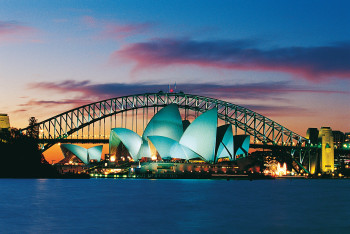
| Vivid Sydney | Circular Quay, Opera House, Darling Harbour | 28 May – 19 June 2027 | Light shows each evening; book harbour hotels early, weekends crowded |
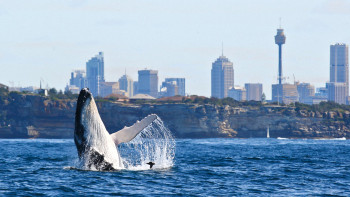
| Whale season | East coast: Sydney, Gold Coast, Hervey Bay | About June to October | Whale cruises at their best in July to September |
| Melbourne Cup | Flemington, Melbourne | 2 November 2027 | Public holiday in Melbourne; hotels dearer that week |
| Boxing Day Test | Melbourne Cricket Ground | 26 December | Big draw when India tours; tickets and hotels go fast |
When India plays a cricket series in Australia, Indian fans fill flights and hotels near the venues for the Test weeks. We check the fixture list before confirming dates in those summers.
Time difference, daylight saving and flights
- Time difference: Sydney, Melbourne and Hobart are 4½ hours ahead of India from early April to early October, and 5½ hours ahead from the first Sunday of October to the first Sunday of April, when they use daylight saving. Brisbane, the Gold Coast and Cairns stay 4½ hours ahead all year because Queensland does not change its clocks. Perth is 2½ hours ahead; Uluru and Darwin 4 hours ahead.
- Jet lag: the gap is small compared with Europe or the US, and most travellers adjust in a day. The main tiredness comes from the overnight flight.
- Flights, as of November 2026: Air India flies non-stop from Delhi to Sydney and Melbourne. Qantas flies Bengaluru to Sydney (paused from August to late October 2026) and runs a seasonal Delhi–Melbourne service in the Indian winter months. Other cities connect via Delhi, or via Singapore, Kuala Lumpur or Bangkok on South-East Asian airlines. Airlines cut and add frequencies season by season, so we check what is operating for your dates.
- When fares are highest: mid-May to June (Indian vacations), October–November around Diwali, and December to mid-January. February to April and August to September are usually the calmer months for fares from India.
Best time to visit Australia by traveller type
| Traveller | Best months | Why | Think twice about |
|---|---|---|---|
| First-time families, east coast | October to November; late March to April | Mild in Sydney and Melbourne, warm on the Gold Coast | Australian school breaks at the parks |
| Families on Indian school vacation | May to June | Reef, Uluru and Gold Coast at their best; Vivid Sydney | Cold Melbourne evenings; book visas and flights early |
| Reef and snorkelling first | June to October | Dry season, calm seas, clear water, no stingers near shore | The Australian winter break in July |
| Uluru and outback | May to September | Comfortable walking temperatures | November to March heat; near-freezing nights in July |
| Honeymoon couples | September to November; March to May | Good weather everywhere, fewer families | New Year's Eve prices in Sydney |
| Parents above 60 | October to November; March to April | No extreme heat or cold; calm airports | January heatwaves in Melbourne and the Red Centre |
| Visiting relatives | Any month; spring and autumn best | Relatives' free time often matters more than weather | Australian school holidays if staying with families with children |
| Budget travellers | May; August to early September | Low season in the south, steadier fares | Short days and cold mornings in Melbourne |
How we plan an Australia trip around the season
- Spring classic (October–November, 9–10 nights): Sydney with the Blue Mountains, Melbourne with the Great Ocean Road and penguins, then the Gold Coast parks.
- Indian summer vacation (May–June, 10–12 nights): Sydney during Vivid, the Gold Coast, then Cairns for the reef in clear water; Melbourne shorter, or swapped for Uluru.
- Winter north (July–August): Cairns and Port Douglas, Uluru for two nights, and Sydney to finish, with a snow day from Melbourne if the children want it.
- Summer (December–January): Sydney and Melbourne with the Australian Open or the fireworks, Tasmania at its best, and Cairns only with a spare day for rain.
- Private and customised: your own dates, private transfers, and private touring days with a driver-guide; families and friends travel as a private group on their own schedule, never in a coach group.
- Season-aware planning: reef days placed early in the stay, Uluru walks timed for cool hours, hotels confirmed before Australian school breaks and events fill them.
- Food and biosecurity: vegetarian and Jain-friendly kitchens are easy to find in Sydney's Harris Park and Melbourne's suburbs; on reef and outback days we arrange packed vegetarian meals, and we remind you to declare every food item on arrival.
- Visa timing: we prepare and submit the visitor visa (subclass 600) application and tell you when to lodge for your month; approval is the decision of the Australian Department of Home Affairs.
- 11 years of planning holidays from our C G Road office in Ahmedabad; trips are planned by our team there and booked on WhatsApp or phone from anywhere in India, with 24×7 support on tour. IATA-accredited; member of TAAI, TAFI, ADTOI and IATO; recognised by the Ministry of Tourism, Government of India.
See itineraries with live prices on our Australia tour packages page. Comparing long-haul options for the same holidays? Read best time to visit Europe, the best places to visit in October, or browse every holiday guide.
Plan your trip with Vibrant Holidays
Tell us your dates, budget and who is travelling. We reply with a day-wise plan and a clear price, usually the same day.
Get a Free Quote WhatsApp 9089090790Best Time to Visit Australia: FAQs
Which is the best month to visit Australia?
October and November are the best all-round months for a first trip to Sydney, Melbourne and the Gold Coast, with spring weather and prices below the summer peak. March and April are equally good. If the Great Barrier Reef or Uluru is your main reason, choose June to September, when the north and the centre are dry and comfortable.
Is May or June a good time to visit Australia from India?
Yes, with warm clothes. It is late autumn and early winter: Sydney is sunny at around 17 to 20 degrees, the Gold Coast is warm, and Cairns, the reef and Uluru are entering their best season. Melbourne is cold and grey. Vivid Sydney runs from 28 May to 19 June 2027. Fares from India rise in these weeks, so book early.
What is the cheapest time to visit Australia?
May and August to early September are usually the calmest months for hotel rates in the south, and February to April often brings steadier fares from India once the Australian summer holidays end. The most expensive period is mid-December to late January, followed by the Indian May to June vacation and Diwali week.
When is the best time to see the Great Barrier Reef?
June to October is the most reliable window. It is the dry season in tropical Queensland, with calm seas, clear water and days around 26 to 28 degrees. From about November to May stingers are present near the coast and reef trips provide full-body lycra suits. The wet season also brings heavy rain and a chance of cancelled boat days.
What is stinger season in Australia?
Stinger season is the period, mainly about November to May, when box jellyfish and tiny Irukandji jellyfish are found in the coastal waters of tropical Queensland and the Northern Territory. Swim only inside stinger nets at patrolled beaches, and wear the lycra suit your reef operator provides. It does not affect Sydney, Melbourne or the Gold Coast.
Is Australia good to visit in December?
December is summer: warm beach weather in Sydney and the Gold Coast, Christmas events and the New Year fireworks. It is also the start of the Australian school holidays, so hotels and domestic flights are at their dearest, and Cairns enters its wet season. Book six to nine months ahead if you want a harbour-view room on New Year's Eve.
Is Diwali a good time for an Australia trip?
Very good. Diwali falls on about 29 October in 2027, in the middle of Australian spring. Sydney and Melbourne are mild and green, the Gold Coast is pleasant, and Melbourne Cup Day follows on 2 November. Fares from India rise around Diwali, and visitor visa processing takes weeks, so lodge the visa by August.
When is the best time to visit Uluru?
May to September. Days are around 20 to 25 degrees, comfortable for the base walk and Kata Tjuta, though nights can drop close to freezing, so carry a warm jacket for sunrise. From November to March daytime heat often passes 35 to 40 degrees, flies are a nuisance, and some walks close from late morning on very hot days.
Is it too cold to visit Melbourne in winter?
No, but plan for it. From June to August Melbourne averages about 14 degrees by day and single figures at night, with wind and showers. The city's museums, laneways and markets work well, and the penguin parade and Great Ocean Road are still worth doing with a warm, waterproof jacket. Snow resorts are a day trip away.
What is the time difference between India and Australia?
Sydney and Melbourne are 4.5 hours ahead of India from early April to early October and 5.5 hours ahead during daylight saving, from the first Sunday of October to the first Sunday of April. Queensland, including the Gold Coast and Cairns, stays 4.5 hours ahead all year. Perth is 2.5 hours ahead and Uluru 4 hours ahead.
When are Australian school holidays?
Each state sets its own dates. Broadly, the long summer break runs from mid-December to late January or early February, with shorter breaks from late March to April, late June to mid-July, and mid-September to early October. These weeks raise hotel rates and fill theme parks and Cairns flights, so we check them before confirming your dates.
How far ahead should I plan an Australia trip?
Three to four months is comfortable for most dates. The visitor visa usually takes a few weeks after biometrics, and longer before peak seasons. For May to June, Christmas or New Year's Eve, start five to six months ahead. We prepare and submit the visa application; approval is decided by the Australian Department of Home Affairs.
