Best Time to Visit Nepal: A Month-by-Month Guide for Indian Travellers
The same Nepal holiday can mean a sky full of snow peaks, a hazy horizon or a highway blocked by a landslide, depending on the month. Here is how each season changes the views, the treks, the festivals and the cost for travellers from India.
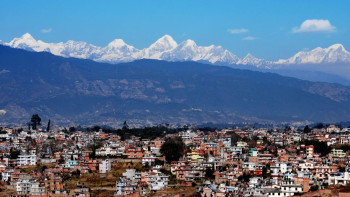
The best time to visit Nepal is October to November, when the monsoon has washed the air clean and the Himalayan peaks stand out sharply from Kathmandu, Nagarkot and Pokhara on most mornings. March and April come second, with rhododendron forests in flower and warm days, but a haze that often hides the high peaks after mid-morning. December to February is cold, dry and quiet, the best time for wildlife in Chitwan and for a low-cost sightseeing trip. June to September is the monsoon: green and cheap, but with landslides on the hill highways and frequent cancellations on mountain airstrips.
For Indian travellers there are extra questions. Is it worth paying Dashain and Diwali prices for the best weather? When is Muktinath reachable without a wasted day? Which months suit grandparents, and which suit a trek to Everest Base Camp? This guide answers them month by month, then region by region and by traveller type, with 2027 festival dates checked as of November 2026. If you already know your dates and want costs and routes, see our Nepal tour packages from Delhi and Nepal tour packages from Ahmedabad pages.
Updated November 2026 by the Vibrant Holidays team, Ahmedabad.
Holiday packages for the places in this guide
All 21 matching packages on Vibrant Holidays — 3 to 11 nights. Every package can be customised for departure from your city.
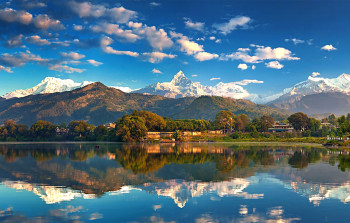
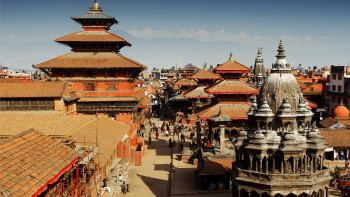
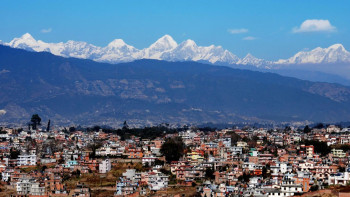
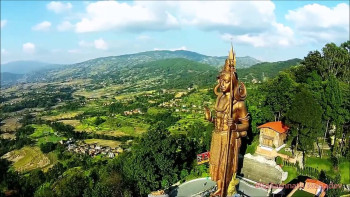
Nepal weather month by month
Day high / night low in °C and monthly rain in Kathmandu, rounded long-term averages. Pokhara is about 600 m lower and warmer, and far wetter in the monsoon. Chitwan and Lumbini on the plains are hotter still.
| Month | Kathmandu °C | Pokhara °C | Rain (Kathmandu) | Mountain views | Treks | Verdict |
|---|---|---|---|---|---|---|
| January | 19 / 2 | 20 / 7 | About 15 mm | Clear most days | Lower treks only; high passes snowbound | Good for sightseeing and Chitwan |
| February | 21 / 4 | 22 / 8 | About 20 mm | Clear, some haze late | Lower treks; cold at altitude | Good; Losar and Shivaratri |
| March | 25 / 8 | 26 / 12 | About 35 mm | Clear mornings, haze builds | Season opens; rhododendrons from late March | Very good |
| April | 28 / 12 | 29 / 15 | About 55 mm | Often hazy by midday; smoke from forest fires some years | Peak spring trekking; Everest climbing season | Very good |
| May | 29 / 16 | 30 / 18 | About 120 mm | Hazy; pre-monsoon storms | Possible until mid-May | Good for Pokhara, hot in Chitwan |
| June | 29 / 19 | 30 / 20 | About 245 mm | Mostly cloud | Not advised except rain-shadow Upper Mustang | Early June only |
| July | 28 / 20 | 30 / 21 | About 375 mm | Rarely seen | Leeches, slippery trails | Avoid for a first visit |
| August | 28 / 20 | 30 / 21 | About 330 mm | Rarely seen | Not advised | Avoid for road trips |
| September | 28 / 18 | 29 / 20 | About 190 mm | Clearing late in the month | Season opens in the last week | Good second half |
| October | 26 / 13 | 27 / 16 | About 60 mm | The clearest of the year | Peak autumn trekking | Excellent; Dashain and Tihar |
| November | 23 / 7 | 24 / 11 | Under 10 mm | Crisp and clear | Excellent; cold nights high up | Excellent |
| December | 20 / 3 | 21 / 8 | About 13 mm | Clear | Lower and mid-level treks | Very good, cold mornings |
Pokhara receives roughly three times Kathmandu's rain over a year, most of it from June to September, because the Annapurna range stops the monsoon clouds right above the town.
The four seasons in Nepal
Autumn: late September to November
The reason most people say October. After the monsoon the dust is gone, the light is sharp, and peaks such as Machhapuchhre, Annapurna and Langtang are visible from town rooftops at sunrise. Trails are dry and the temperature in the hills is ideal for walking. It is also the season of Dashain and Tihar, the two biggest festivals, so Nepali families travel home, buses fill and hotel rates are at their highest.
Winter: December to February
Days are sunny and pleasant in Kathmandu and Pokhara, but nights drop close to freezing in the valley, and many older hotels have weak heating. Skies stay clear, crowds thin out and rates fall. In Chitwan the tall elephant grass is cut in January and February, which makes rhinos and other animals easier to see. High passes such as Thorong La are closed or risky in snow, and Muktinath gets very cold and windy.
Spring: March to May
Rhododendrons turn the forests red and pink between about 2,000 and 3,500 m, especially on the Poon Hill and Annapurna trails. It is warm and the second trekking peak, and the Everest climbing season runs in April and May. The trade-off is haze, and in dry years smoke from forest fires, which can hide the mountains for days. By May, Kathmandu is hot and sticky and Chitwan is above 35°C.
Monsoon: June to mid-September
Most of the year's rain falls in these months, usually in heavy afternoon and night showers rather than all day. Rice terraces are green and rates are lowest. But hill roads slide, rivers rise, mountain flights are cancelled, and the peaks are hidden for weeks. Upper Mustang and the far side of the Annapurnas sit in a rain shadow and stay mostly dry, which is why monsoon trekking there is a specialist option.
When each part of Nepal is at its best
| Place | Height (approx.) | Best months | What to know |
|---|---|---|---|
| Kathmandu valley (Pashupatinath, Boudhanath, Patan, Bhaktapur) | 1,300 – 1,400 m | October to April | Open all year; monsoon showers rarely stop sightseeing for long |
| Nagarkot and Dhulikhel | 1,500 – 2,200 m | October to January | Sunrise views need a clear sky; cold nights in winter |
| Pokhara and Sarangkot | About 820 m (Sarangkot about 1,600 m) | October to December; March to April | Paragliding stops in heavy rain; very wet July and August |
| Chitwan National Park | About 150 m | October to March | Best wildlife in January to March; hot from April; many lodges close or reduce in the monsoon |
| Lumbini | About 100 m | October to March | Buddha Jayanti in May is special but hot; foggy mornings in January |
| Muktinath and Jomsom | 2,700 – 3,710 m | March to May; late September to November | Flights only early morning; strong wind after 11 am; very cold in winter |
| Everest region (Lukla, Namche) | 2,800 m and up | October to November; March to May | Lukla flights depend on weather; see below |
| Annapurna region (Poon Hill, Base Camp, Circuit) | Up to 5,416 m at Thorong La | October to November; March to April | Thorong La often snowbound from December to February |
Trekking seasons: Everest, Annapurna and easy walks
- Everest Base Camp: best from early October to late November and from late March to mid-May. In the busy months most Lukla flights leave from Manthali airport in Ramechhap, a four- to five-hour drive from Kathmandu that usually starts around 2 am; in October 2026 extra Manthali–Lukla flights were added for the autumn season. Lukla is a short, sloping runway that only works in good visibility, so a delay of a day or two is normal. We build two buffer days into any Everest trip.
- Annapurna Base Camp and Poon Hill: October, November, March and April. Poon Hill is a three- to four-night walk from Pokhara and the easiest way for a fit family to see the sunrise over Dhaulagiri and Annapurna. Avalanche risk on the last stretch to Annapurna Base Camp rises after heavy snow.
- Annapurna Circuit: mid-October to November is the safest window for crossing Thorong La. In winter the pass can be closed for days after snowfall.
- Short walks for families: Australian Camp and Dhampus near Pokhara, the Nagarkot–Dhulikhel ridge, and the Champadevi hike in the Kathmandu valley are comfortable from October to April.
Altitude matters more than fitness. Above about 3,000 m, climb slowly, sleep no more than 300–500 m higher each night, and turn back if symptoms worsen. Anyone with heart or lung conditions should ask their doctor before any trip above 2,500 m.
Nepal festival calendar for 2027
Dates as published in Nepali holiday calendars, as of November 2026. Lunar festivals can differ by a day between calendars, and Nepal's calendar committee fixes the final date, so we recheck before you book around one.
| Festival | 2027 date | Where to see it | Effect on your trip |
|---|---|---|---|
| Sonam Losar | 7 February | Boudhanath, Tamang villages | Colourful, little effect on travel |
| Maha Shivaratri | 6 March | Pashupatinath | Very large crowds; temple area closed to traffic |
| Holi (Fagu Purnima) | 22 March in the hills, 23 March in the Terai | Kathmandu Durbar Square, Pokhara Lakeside | Expect colour in the streets; carry spare clothes |
| Nepali New Year and Bisket Jatra | 14 April | Bhaktapur | Chariot festival; Bhaktapur crowded for several days |
| Buddha Jayanti | 20 May | Lumbini, Boudhanath, Swayambhunath | Prayers and lamps; hot weather on the plains |
| Haritalika Teej | 3 September | Pashupatinath | Women in red fasting and dancing; temple very busy |
| Indra Jatra | 14 September | Kathmandu Durbar Square | The living goddess Kumari's chariot procession |
| Dashain | Ghatasthapana 30 September; Vijaya Dashami about 9–10 October | Everywhere; family tika at home | Offices and many shops close for days; buses and flights full |
| Tihar | 27 – 31 October; Laxmi Puja 29 October, Bhai Tika 31 October | Kathmandu, Pokhara, Bhaktapur | Lamps and rangoli; the same days as Diwali in India |
| Chhath | 4 November | Janakpur and the Terai, Kathmandu ghats | Big gatherings at rivers and ponds |
Dashain is the time to see Nepal at home, not the time for efficient sightseeing: drivers and guides want to be with their families on the tika day, and some restaurants close. We plan festival days as easy days.
Monsoon risks: landslides, the Prithvi Highway and mountain flights
- Prithvi Highway (Kathmandu–Mugling–Pokhara): the main road between the two cities follows the Trishuli river gorge. From late June to mid-September landslides regularly block it for hours, and a seven-hour drive can become twelve. In those months we fly between Kathmandu and Pokhara.
- Narayangadh–Mugling and the road to Chitwan: the same gorge, the same risk. Chitwan lodges also reduce activities in the rains.
- Jomsom flights to Muktinath: run only in the early morning in any season and are cancelled whenever wind or cloud closes the narrow Kali Gandaki valley. In the monsoon cancellations can last several days, and the jeep road from Beni is often cut. We do not plan Muktinath by flight from late June to mid-September without a helicopter fallback.
- Lukla: monsoon cloud makes flights irregular; Everest treks are not advised then.
- Border roads from India: Sunauli–Butwal–Pokhara and Birgunj–Kathmandu both cross hills that slide in heavy rain. Flying into Kathmandu is safer in these months.
If the monsoon is the only time you can travel, keep the trip to the Kathmandu valley with a flight to Pokhara, carry a rain jacket, and choose travel insurance that covers delays.
Indian holidays: crowds and prices in Nepal
- Dussehra and Diwali (October): Indian demand peaks at the same time as Dashain and Tihar. In 2027 Laxmi Puja falls on Friday 29 October, the same day as Diwali in India. Kathmandu and Pokhara hotels and flights from Delhi, Kolkata and Varanasi are at their dearest; book by August.
- Christmas to New Year: busy in Pokhara and Nagarkot; cold but clear.
- Maha Shivaratri (6 March 2027): pilgrims from across India and Nepal fill Pashupatinath. Prices around the temple rise sharply that week.
- Holi week (22 March 2027): popular with North Indian families because of the long weekend; spring weather, moderate rates.
- Summer vacation (mid-May to June): the main family season from India. May is still good in Pokhara and the hills; book Pokhara lakeside hotels by February.
- Best value months: late November to mid-December, January to February, and the first half of September, when weather is acceptable and rooms are easier.
Best time to visit Nepal for different travellers
| Traveller | Best months | Why | Think twice about |
|---|---|---|---|
| First-time families | October to November; March to April | Clear views, open roads, comfortable days | Dashain week, when drivers and guides are on leave |
| Parents above 60 | October to November; March | Mild days for temple steps; Muktinath flights more reliable | Cold winter nights in Kathmandu hotels without good heating |
| Pilgrims to Pashupatinath and Muktinath | October to November; March to May | Muktinath reachable, Pashupatinath open all year | Shivaratri crowds unless that is the aim; monsoon for Muktinath |
| Honeymoon couples | November to February | Clear skies, quiet Pokhara, mountain-view rooms | Diwali fares |
| Wildlife lovers | January to March | Cut grass in Chitwan, rhinos easier to spot | May heat; monsoon closures |
| Trekkers | October to November; late March to April | Dry trails, stable weather | Lukla delays; snow on Thorong La in winter |
| Photographers | October to December | Sharpest light and clearest air | Spring haze |
| Budget travellers | Late November to mid-December; February | Good weather after the festival rush | Monsoon savings that come with closed roads |
What to pack for each season
- October to November: light layers by day, a fleece and a warm jacket for evenings and sunrise points, sunglasses, sunscreen.
- December to February: thermals, a heavy jacket, woollen cap and gloves, warm socks for hotel rooms; a lighter top for sunny afternoons.
- March to May: cotton clothes, a light jacket for the hills, a cap and sunscreen, a mask for dusty days in Kathmandu.
- June to September: umbrella, rain jacket, quick-dry clothes, sandals, leech socks for walks, motion-sickness tablets for wet road days.
- Muktinath in any month: windproof jacket, cap and gloves; the temple area is cold even in May.
- Temples: modest clothes; no leather inside Pashupatinath.
Indian travellers need an original passport or Voter ID for adults as of November 2026, and rules for children and seniors differ; our Nepal from Delhi page explains them in detail.
How we plan a Nepal trip around the season
- Season first, then route: we fly you between Kathmandu and Pokhara in the monsoon, keep a spare day for Jomsom and Lukla, and plan Dashain days as easy days.
- Private and customised: your own dates, your own car and driver; extended families travel as a private group on their own schedule.
- Vegetarian and Jain meals requested in writing; vegetarian food is easy in Nepal, Jain food needs notice and is limited in Jomsom and Chitwan.
- 11 years of planning holidays from our C G Road office in Ahmedabad, booked on WhatsApp or phone, with 24×7 support during the trip. IATA-accredited; member of TAAI, TAFI, ADTOI and IATO; recognised by the Ministry of Tourism, Government of India.
See ready itineraries with live prices on our Nepal tour packages page. Nepal pairs well with a Himalayan neighbour; compare the best time to visit Bhutan and the best time to visit Sikkim, or browse all our holiday guides.
Plan your trip with Vibrant Holidays
Tell us your dates, budget and who is travelling. We reply with a day-wise plan and a clear price, usually the same day.
Get a Free Quote WhatsApp 9089090790Best Time to Visit Nepal: FAQs
Which is the best month to visit Nepal?
October is the best single month for most travellers: dry weather, the clearest mountain views of the year and comfortable temperatures for sightseeing and trekking. November is almost as good and slightly quieter after the festivals. If you want flowers rather than the clearest views, choose late March or April, when rhododendrons bloom in the hills.
Is Nepal worth visiting in the monsoon?
For a short Kathmandu valley trip, yes, and rates are lowest. But from late June to mid-September landslides often block the Prithvi Highway to Pokhara, mountain flights to Jomsom and Lukla are frequently cancelled, and the peaks are hidden by cloud. Fly between cities, avoid Muktinath by plane, and allow extra time.
When can you see the Himalayas clearly from Kathmandu and Pokhara?
From October to February the air is clearest, and early mornings give the best chance. Sarangkot above Pokhara and Nagarkot near Kathmandu are the usual viewpoints. In spring, haze and sometimes smoke from forest fires hide the peaks by mid-morning, and from June to September cloud covers them for weeks.
When is Dashain and Tihar in 2027?
As of November 2026, Dashain begins with Ghatasthapana on 30 September 2027, with Vijaya Dashami on about 9 or 10 October; calendars differ by a day. Tihar runs from 27 to 31 October 2027, with Laxmi Puja on 29 October, the same day as Diwali in India, and Bhai Tika on 31 October.
What is the best time for Everest Base Camp trek?
Early October to late November and late March to mid-May. Autumn has the clearest views; spring is warmer and coincides with the climbing season. Most Lukla flights in peak months leave from Manthali in Ramechhap, a pre-dawn drive from Kathmandu, and weather delays at Lukla are common, so keep two spare days.
When is the best time to visit Muktinath?
March to May and late September to November. Jomsom flights, which run only in the early morning, are most reliable then, and the temple is not as bitterly cold as in winter. Avoid the monsoon, when flights and the jeep road are often cut. In winter the visit is possible but very cold and windy.
Is December a good time to visit Nepal?
Yes, for sightseeing. December days are sunny, around 20°C in Kathmandu, the skies are clear and crowds are thinner after the festivals. Nights drop close to freezing, so choose hotels with proper heating. High-altitude treks and Thorong La become difficult, and Muktinath is very cold.
When is the best time to see rhinos in Chitwan?
January to March. The tall elephant grass is cut in these months, so rhinos, deer and birds are easier to see from a jeep or canoe. October to December is also good. From April it is very hot, and during the monsoon many activities are reduced and some lodges close.
Is it expensive to visit Nepal during Diwali?
Yes, it is the most expensive time. Diwali coincides with Tihar and follows Dashain, so Indian holidaymakers and Nepali families travelling home compete for flights and hotels. Fares from Indian cities rise sharply. Book by August, or travel in the second half of November, when the weather is just as clear.
Should we avoid Nepal during Maha Shivaratri?
Only if you do not want the crowds. On 6 March 2027 huge numbers of devotees and sadhus from Nepal and India gather at Pashupatinath, roads around the temple close and nearby hotels are full. If darshan on Shivaratri is your purpose, book early. Otherwise, the weeks before and after offer the same pleasant spring weather.
What is the weather in Nepal in May for a summer vacation?
Kathmandu reaches about 29°C and Chitwan goes above 35°C, while Pokhara, Nagarkot and Muktinath stay pleasant. Pre-monsoon storms arrive in the afternoons later in the month and the peaks are often hazy. For families on a school break, May works well if the plan focuses on Pokhara and the hills.
