Best Time to Visit Vietnam: North, Central and South, Month by Month
Vietnam is 1,650 km long and never has the same weather from end to end. The right month depends on which third of the country you want, and the right route depends on the month you can travel.
If you want one window that works for the whole country, the best time to visit Vietnam is March to April. Hanoi and Ha Long Bay have warmed up and cleared after the winter mist, Hoi An and Da Nang are dry and not yet scorching, and Ho Chi Minh City, the Mekong Delta and Phu Quoc are still in their dry season. Late October to November is the other strong window for the north, and December to April belongs to the south.
The reason there is no single answer is geography. Vietnam is a long, narrow country with mountains in the north, a coast that faces the South China Sea for its whole length, and three climate zones that take their rain at different times. The north has a real winter. The central coast gets its heaviest rain, typhoons and floods from September to December, exactly when the north is at its best. The south is tropical, with a dry season from December to April and short, heavy afternoon showers from May to November. So the question Indian travellers should ask is not "when is Vietnam good" but "which part of Vietnam is good in my month". Below: every month by region, Tet 2027 closures, Hoi An full-moon nights, mountain flower and harvest seasons, and the Indian holiday weeks that move prices. Facts are as of November 2026; we check again before you book.
Updated November 2026 by the Vibrant Holidays team, Ahmedabad.
Holiday packages for the places in this guide
Our latest matching packages on Vibrant Holidays — 3 to 12 nights. Every package can be customised for departure from your city.
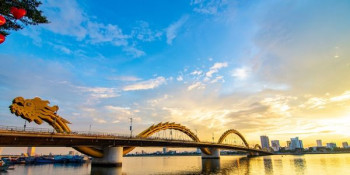
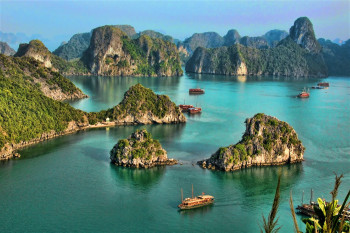

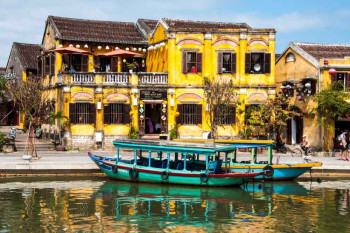

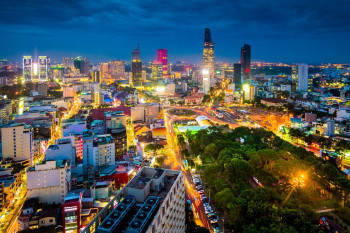
Vietnam month by month: verdict for each region
Typical day highs in °C, rounded long-term averages. North means Hanoi, Ha Long Bay and Ninh Binh; Central means Hue, Hoi An and Da Nang; South means Ho Chi Minh City, the Mekong Delta and Phu Quoc. Good, fair and poor are our planning verdicts.
| Month | North | Central | South | Crowds and prices | Best route that month |
|---|---|---|---|---|---|
| January | 20°C, grey and drizzly; fair | 25°C, showers easing; fair | 32°C, dry; good | High in the Christmas week, moderate after | South and Phu Quoc, with Hanoi if you like cool weather |
| February | 21°C, misty, drizzle; fair | 26°C, drying; good | 33°C, dry; good | Very high around Tet (6 February 2027) | Hoi An and the south; avoid moving around on Tet days |
| March | 23°C, clearing; good | 28°C, dry; good | 34°C, dry; good | Moderate | Any route, north to south |
| April | 28°C, warm; good | 31°C, dry; good | 35°C, hottest; good | Moderate, busy over 30 April and 1 May | Any route; the best Ha Long month for many |
| May | 32°C, humid, storms begin; fair | 33°C, dry; good | 34°C, rains begin; fair | Moderate, rising with Indian summer-break travel | Central coast, with Hanoi and Ha Long |
| June | 33°C, hot, heavy showers; fair | 34°C, dry, best sea; good | 33°C, afternoon showers; fair | Busy with domestic summer travel at the beaches | Da Nang, Hoi An and Hue |
| July | 33°C, wettest, typhoon risk; poor to fair | 34°C, dry; good | 32°C, showers; fair | Busy central beaches, low elsewhere | Central coast |
| August | 32°C, wet, typhoon risk; poor to fair | 34°C, dry, first storms late; good | 32°C, showers; Phu Quoc wettest; fair | Low | Central coast, with a flexible Ha Long day |
| September | 31°C, rain easing; fair to good | 32°C, rains begin; fair | 32°C, wet; fair | Low; busy over 2 September | Hanoi, Sapa terraces, Ha Long late in the month |
| October | 29°C, dry, clear; good | 29°C, heavy rain, flood risk; poor | 31°C, rains ending; fair | Moderate | North, with Ha Giang and Sapa |
| November | 26°C, dry, crisp; good | 27°C, wettest, flood risk; poor | 31°C, dry season starts; good | Moderate to high | North plus the south, skipping the centre |
| December | 22°C, cool, dry; good | 24°C, drizzly, improving; fair | 31°C, dry; good | Very high from 20 December | South and Phu Quoc, with Hanoi in a jacket |
North Vietnam: Hanoi, Ha Long Bay, Ninh Binh, Sapa and Ha Giang
The seasons in the north
The north has four seasons, and its winter surprises many Indian travellers. From December to February Hanoi sits around 14–20°C, often under low grey cloud with a fine drizzle the locals call mua phun. It is damp rather than truly cold, and hotels rarely have strong heating. Spring, March and April, is mild and clear. Summer, May to August, is hot and humid at 32–33°C, with the year's heaviest rain in July and August. Autumn, late September to November, is the north at its best: dry, clear, warm by day and pleasant at night.
Ha Long Bay and Lan Ha Bay
- Best: October to November and March to May, for clear views and calm water.
- Winter, December to February: cruises run, but mist can hide the karsts and the water is too cold for swimming or kayaking for most visitors.
- Storm season, roughly July to September: when a storm warning is issued, Quang Ninh province stops issuing departure permits and every boat stays in port, sometimes for two or three days. Overnight cruises are then refunded or moved to another date. In September 2024 Typhoon Yagi kept the bay closed and damaged many boats.
For a June to September trip we place the cruise early in the itinerary, so there is a spare day to move it if the bay closes.
Sapa and the rice terraces
Sapa sits at about 1,500 m. The terraces of Muong Hoa valley change through the year: water-filled and mirror-like from about May to June, bright green in July and August, and golden for the harvest from roughly early to late September. Mu Cang Chai, a longer drive away, is usually golden from mid-September to early October. Winter nights in Sapa drop close to freezing, with occasional frost; snow is rare but has happened. Mud and landslides can close roads after heavy rain in July and August.
Ha Giang loop
The far north is best from late September to November. The buckwheat flowers, the pink and white fields that draw domestic travellers, usually bloom from late October into November, though the timing moves by two or three weeks from year to year. The high passes are near freezing on winter nights, and the steep, winding roads suit only fit travellers comfortable with long drives.
Central Vietnam: Hue, Hoi An, Da Nang and Nha Trang
The dry months, February to August
The central coast is at its best from February to August. Spring is warm and dry, and from May to August the beaches of Da Nang and An Bang are sunny, the sea is calm and the day highs reach 33–35°C. Vietnamese families fill Da Nang hotels in June and July. Ba Na Hills, at about 1,400 m, is noticeably cooler, but cloud can hide the Golden Bridge on any day of the year; mornings are usually clearer.
The flood and typhoon season, September to December
From September the rains arrive, and October and November are the wettest months, when most typhoons that reach Vietnam make landfall on this coast. Hoi An's old town sits about a metre above the normal level of the Thu Bon river, and the riverside streets flood first. Most floods peak within a day or two and recede in one to three days, but a typhoon can leave water standing for longer. In late 2025 the old town flooded several times within a few weeks. Hue floods from the Perfume river, and the royal tombs along it can become unreachable. Landslides sometimes close the Hai Van Pass road between Hue and Da Nang.
We do not refuse central Vietnam in these months, but we plan it differently: hotels on higher ground or upper floors, a free day before onward flights, and travel insurance that covers weather disruption. December usually improves, especially in the second half, though it stays cool and showery.
Nha Trang and Da Lat
Nha Trang, further south, has a slightly different calendar: its rains fall mostly from October to December, and January to August is the beach season. Da Lat, in the highlands at about 1,500 m, is spring-like all year, with a dry season from December to April and afternoon rain from May to October.
South Vietnam: Ho Chi Minh City, the Mekong Delta and Phu Quoc
The south never has a winter. Day highs stay at 31–35°C all year, and the seasons are dry and wet rather than warm and cold.
- Dry season, December to April: sunny, with less humidity in December and January. March and April are the hottest months, at 34–35°C, when sightseeing in Ho Chi Minh City is best done early and late. Phu Quoc has flat, clear water on its west coast, which makes this the island's honeymoon and snorkelling season.
- Wet season, May to November: the rain usually comes as a heavy downpour of an hour or two in the afternoon, with sunshine around it. In the Mekong Delta, the river runs high from about August to November, when some villages are partly flooded; the floating markets keep going all year.
- Phu Quoc in the wet season: the west-coast beaches, including Long Beach, get rough waves and seaweed from about June to September, and some boat trips to the southern islands are cancelled on windy days. The east coast is calmer. Hotel rates drop sharply.
For Phu Quoc on its own, note the island's 30-day visa exemption and the Indian Embassy's advice to hold a full visa anyway; both are explained in our Vietnam visa guide for Indians.
Tet 2027: dates, closures and what it does to prices
Tet, the Lunar New Year, is the single most important date in the Vietnamese calendar. In 2027 the first day of Tet is Saturday 6 February. As of November 2026 the government was choosing between a public holiday of 4 – 10 February, the option it proposed as preferable, and 5 – 14 February; we confirm the final dates before you book.
- The week before: the best part for a visitor, with flower markets, kumquat trees on motorbikes and red decorations everywhere.
- The first three days (6 – 8 February 2027): most small restaurants, street-food stalls, family shops, tailors and spas close. Museums and the Ho Chi Minh Mausoleum close too, as do banks. Hotels and hotel restaurants, international chains, tourist districts and temples stay open, and temples are at their busiest.
- Transport: domestic flights and trains sell out weeks ahead and fares can double or triple around the holiday, as millions travel home before Tet and back afterwards.
- Some places stay quiet longer: in rural areas, some businesses reopen only after the first full moon, around 20 February 2027.
Our advice: travel in the ten days before Tet for the atmosphere, or after about 12 February for normal service. If your dates cover Tet itself, stay in one place for those three days, ideally Hoi An, Hanoi's Old Quarter or a Phu Quoc resort, rather than flying between cities.
Festivals and special nights, 2026–27
| Event | Where | Dates (as of November 2026) | What to expect |
|---|---|---|---|
| Hoi An full-moon lantern night | Hoi An old town | 22 November and 22 December 2026; in 2027: 19 February, 21 March, 20 April, 19 May, 18 June, 17 July, 15 August, 14 September, 13 October, 11 November, 11 December | Electric lights in the old town are switched off from about 6 pm, coloured lanterns are lit, motorbikes are kept out and visitors float paper lanterns on the river. Floods can cancel the riverside events in October and November |
| Tet (Lunar New Year) | Nationwide | 6 February 2027 | See the section above |
| Lantern Festival (first full moon) | Nationwide, especially temples | About 20 February 2027 | Temple crowds; the end of the Tet season for many businesses |
| Reunification Day and Labour Day | Nationwide | 30 April and 1 May | The second-biggest domestic travel peak; beaches and Ha Long fill, prices rise |
| National Day | Nationwide, parades in Hanoi | 2 September | Flags everywhere and a short holiday; busy domestic travel |
| Mid-Autumn Festival | Hanoi's Hang Ma street, Hoi An | About 15 September 2027 | Lanterns, lion dances and mooncakes; a children's festival, lovely for families |
Some calendars also list 21 January 2027 for Hoi An; we confirm that date locally. Lanterns are lit every evening anyway; full-moon nights add the lights-off effect.
How prices move, including the Indian holiday weeks
| Window | Hotels and domestic flights in Vietnam | Flights from India | Book this far ahead |
|---|---|---|---|
| 20 December – 3 January | Peak in Phu Quoc, Ho Chi Minh City and Hanoi; gala dinners at beach resorts | High, with Indian winter school breaks | 3 months |
| Tet, early February 2027 | Domestic flights and trains sell out; some hotels raise rates | Normal | 2 to 3 months |
| 30 April – 1 May, and 2 September | Beach towns and Ha Long busy with domestic holidaymakers | Normal | 6 weeks |
| June – July | Da Nang beach hotels busy with Vietnamese families | High until Indian schools reopen | 2 months |
| Diwali week (around 29 October in 2027) | Normal in Vietnam | Very high; the few direct flights fill first | 2 to 3 months |
| September, outside the national holiday | Lowest in the north and south | Low | 3 to 4 weeks |
| October – November in the centre | Low, because of flood risk | Moderate | Book flexible rates |
For Indian travellers the bigger cost swing is usually the air fare, so avoiding Diwali, Christmas and the May–June school holidays saves more than picking a particular Vietnamese month.
Best time to visit Vietnam for each kind of traveller
| Traveller | Best window | Best route then | Think twice about |
|---|---|---|---|
| Honeymooners | March – April; December – February for the south | Hanoi, a Ha Long overnight cruise and Hoi An; or Ho Chi Minh City and Phu Quoc in winter | Hoi An in October – November; Ha Long in the storm months |
| Families in the Indian summer break | May – June | Da Nang, Hoi An and Ba Na Hills, with Hanoi and Ha Long | Phu Quoc in rough-sea months; long Hanoi afternoons in the heat |
| Families in the Diwali break | Late October – November | Hanoi, Ninh Binh, Ha Long, perhaps Sapa | The central coast, in flood season |
| Senior citizens | March – April, or late October – November in the north | Hanoi, Ha Long, Ninh Binh by boat, Hoi An in spring | Ha Giang roads; south in April heat |
| Budget travellers | September, and mid-May to June outside Indian school weeks | Hanoi and Ha Long late in September; Ho Chi Minh City in the wet season | Typhoon days; non-refundable cruises |
| Photographers and trekkers | Mid-September to November | Sapa and Mu Cang Chai terraces, Ha Giang buckwheat | Ha Giang only for confident road travellers |
| Shopping and culture | The week before Tet; Mid-Autumn in September | Hanoi's Old Quarter, Hoi An tailors, Ben Thanh market | The three Tet days, when shops close |
What to pack for Vietnam
- North, December to February: a warm jacket, sweater and closed shoes for Hanoi and Ha Long; thermals and a heavier jacket for Sapa or Ha Giang.
- North, October and November or March and April: light layers, with one sweater for evenings and the cruise deck.
- Anywhere, May to September: breathable cotton, a compact umbrella or rain poncho, quick-dry sandals, insect repellent for Ninh Binh and the Mekong, and oral rehydration sachets.
- Central coast, September to December: a proper rain jacket and shoes that can get wet; keep passports and electronics in dry bags.
- Every season: clothes covering shoulders and knees for pagodas and the Hue citadel, and a few small notes in Vietnamese dong for markets and boat rides.
Pure-veg and Jain travellers have more choice than many expect: Hanoi, Hoi An, Da Nang and Ho Chi Minh City all have Indian restaurants, and Vietnamese Buddhist vegetarian (chay) restaurants serve tofu, mushroom and vegetable dishes. We confirm meals with hotels and cruises in writing; Jain meals need advance notice, especially on Ha Long cruises.
Our honest recommendation, and how we plan it
- First visit, flexible dates: March or April, north to south: Hanoi, Ha Long, Hoi An and Ho Chi Minh City.
- Diwali break: the north, with Phu Quoc or Ho Chi Minh City added from mid-November as the south dries out.
- Summer vacation: Da Nang and Hoi An as the base, with Hanoi and a Ha Long cruise placed early in the trip.
- Christmas and New Year: the south and Phu Quoc, with Hanoi for those who enjoy cool weather.
- Avoid if you can: Hoi An and Hue in late October and November, Ha Long in peak storm weeks, and moving between cities on the three Tet days.
Every Vietnam trip we arrange is private: your own dates, private transfers and guides, a cruise chosen for its cabins and food, and a route matched to the region that is dry in your month. Trips are planned by our team at our C G Road office in Ahmedabad, where we have been arranging holidays for 11 years, and booked on WhatsApp or phone from any city, with 24×7 support on tour. We are IATA-accredited, members of TAAI, TAFI, ADTOI and IATO, and recognised by the Ministry of Tourism, Government of India. We prepare and submit your Vietnam e-visa application; approval is the decision of the Vietnamese immigration authorities.
Departure-city flight details are on pages such as Vietnam from Mumbai and Vietnam from Delhi, every itinerary with live prices is on our Vietnam tour packages page, and other seasonal guides, including the best time to visit Thailand, are on our holiday guides page.
Plan your trip with Vibrant Holidays
Tell us your dates, budget and who is travelling. We reply with a day-wise plan and a clear price, usually the same day.
Get a Free Quote WhatsApp 9089090790Best Time to Visit Vietnam: FAQs
Which is the best month to visit Vietnam?
March and April are the best months for a trip covering the whole country, because the north, the central coast and the south are all mostly dry. For the north alone, October and November are excellent. For Ho Chi Minh City and Phu Quoc, December to April is best.
Which months should I avoid in Vietnam?
No month is bad everywhere. Avoid the central coast, Hoi An, Hue and Da Nang, in October and November, the peak flood and typhoon months. Avoid planning Ha Long as the centrepiece in July to September storm weeks, and avoid moving between cities on the first three days of Tet.
When is the rainy season in Vietnam?
It depends on the region. The north is wettest from May to September, especially July and August. The central coast is wettest from September to December, peaking in October and November. The south has short afternoon downpours from May to November. Each region has dry months while another is wet.
When is Tet in 2027 and what closes?
The first day of Tet is Saturday 6 February 2027, with a public holiday expected around 4 to 10 February. Small restaurants, shops, museums and banks mostly close for the first three days, while hotels, chains and tourist areas stay open. Domestic flights and trains sell out weeks ahead.
Is Ha Long Bay worth visiting in winter?
Yes, if you accept cool, misty weather. From December to February the bay is often grey and the water is too cold for swimming, but cruises run normally and the karsts look atmospheric in the mist. For clear views and kayaking, choose October to November or March to May instead.
Are Ha Long Bay cruises cancelled because of storms?
They can be, mainly between July and September. When a storm warning is issued, Quang Ninh authorities stop all departures, sometimes for two or three days, and cruises are refunded or rebooked. We place the cruise early in the trip in those months, so there is time to reschedule it.
When is the Hoi An lantern festival?
On the fourteenth day of every lunar month, the night before the full moon. The next dates are 22 November and 22 December 2026, then 19 February, 21 March and 20 April 2027. The old town turns off its electric lights and is lit by lanterns, and visitors float paper lanterns on the river.
When does Hoi An flood?
Mostly in October and November, sometimes into December. The riverside streets of the old town flood first; water usually recedes in one to three days, though typhoons can prolong it. In late 2025 the old town flooded several times within a few weeks. Spring and summer are the safe months.
What is the best time to visit Sapa for rice terraces?
For golden terraces before the harvest, about early to late September. For water-filled terraces that mirror the sky, late May to June, and for green terraces, July and August. Winter, December to February, is cold and often foggy, with frost on some nights, but quieter and clear on good days.
When do buckwheat flowers bloom in Ha Giang?
Usually from late October into November, but the timing can move by two or three weeks depending on the weather that year. The best fields are around Dong Van, Lung Cu and the valleys between Yen Minh and Dong Van. Hoang Su Phi terraces are golden from mid-September to mid-October.
Is Vietnam good for a Diwali holiday?
Yes, if you head north. In late October and November Hanoi, Ninh Binh, Ha Long and Sapa have clear, dry autumn weather. Skip Hoi An and Hue, which are in their flood season, and add the south only from mid-November, when its dry season begins. Diwali-week fares from India rise sharply.
