Best Time to Visit Sri Lanka: Which Coast, Which Month, and Why
Sri Lanka has two monsoons that arrive from opposite sides, so one coast is usually dry while the other is wet. Pick the right side for your month and the island works almost all year.
The short answer: the best time to visit Sri Lanka for a first, all-round trip is late January to early April, when the west and south coasts, the hill country around Kandy and Nuwara Eliya, and the ancient cities of Sigiriya and Polonnaruwa are all mostly dry at the same time. If your dates fall between May and September, Sri Lanka still works well: you simply swap the south-coast beaches for the east coast, where the sea is calm and the sky is clear exactly when Galle and Bentota are wet.
The reason is geography. Sri Lanka has two monsoons. The south-west monsoon (called Yala) blows in from the Arabian Sea from about May to September and drops its rain on the west, the south-west and the western slopes of the hills. The north-east monsoon (called Maha) arrives from the Bay of Bengal from about October to January and soaks the east, the north and the dry-zone plains. The mountains in the middle split the island, so one side is usually dry while the other is wet. Between the two monsoons, in March–April and October–November, afternoon thunderstorms can hit anywhere. This guide gives a month-by-region table, the whale and safari seasons, the 2027 festival and poya calendar, and sample routes for each season. Dates are as of November 2026, and we check them again before you book. For the budget side, see our Sri Lanka trip cost from India guide.
Updated November 2026 by the Vibrant Holidays team, Ahmedabad.
Holiday packages for the places in this guide
All 12 matching packages on Vibrant Holidays — 2 to 10 nights. Every package can be customised for departure from your city.
The two monsoons, and what they mean on the ground
| Period | Where it rains | Where it is dry | What it feels like |
|---|---|---|---|
| South-west monsoon (Yala), about May to September | Colombo, Negombo, Bentota, Galle, Mirissa, the western hills (Nuwara Eliya, Horton Plains, Adam's Peak) | East coast, Jaffna and the north, much of the cultural triangle, Ella and the eastern hills (partly) | West-coast seas turn rough and red flags go up; heaviest rain in May and June, easing from July |
| Inter-monsoon, October to November | Almost everywhere, as heavy afternoon and evening storms | No region reliably dry | The wettest time for the island as a whole; Bay of Bengal cyclones are possible |
| North-east monsoon (Maha), about December to February | East coast, the north, the cultural triangle (mainly December), Ella side of the hills | West and south coasts, Kandy and Nuwara Eliya mostly dry from January | Rain on the east is heaviest in November–December and fades through January |
| Inter-monsoon, March to April | Short afternoon showers, mostly in the hills and the south-west | Most of the island, most of the day | Hottest and most humid months on the coasts; good everywhere with morning sightseeing |
Two points that many guides skip. First, a "wet" month on the west coast in July is not a month of constant rain: there are dry days and bright mornings, but the sea is usually too rough to swim safely and boat trips stop. Second, the hill country sits in both monsoons. Nuwara Eliya and Horton Plains on the western side catch the south-west monsoon, while Ella and Haputale on the eastern side catch more of the north-east one, so a hill-country day can be clear in one town and misty an hour away.
A recent reminder of the November risk: in late November 2025 Cyclone Ditwah caused floods and landslides across much of the island, including the hill country, and damaged the upcountry railway. Storms of that scale are rare, but we keep October–November trips shorter on the hill roads and always include a spare day.
Sri Lanka month by month, region by region
Our rating for each region in each month. "Good" means mostly dry and fine for the main activities; "Mixed" means expect some rain but plan normally; "Wet" means plan around the weather or go elsewhere.
| Month | West and south coast | Hill country | Cultural triangle | East coast | Jaffna and the north | Overall verdict |
|---|---|---|---|---|---|---|
| January | Good | Good, cold nights in Nuwara Eliya | Mixed early, good later | Wet early, mixed later | Mixed | Very good for the classic route |
| February | Good | Good | Good | Mixed to good | Good | Excellent; the driest island-wide month |
| March | Good, hot | Good | Good | Good from mid-month | Good | Excellent |
| April | Good, afternoon showers | Mixed; New Year crowds in Nuwara Eliya | Good, very hot | Good | Good, hot | Very good; book early around 13–14 April |
| May | Wet, rough seas | Wet on the western side | Mixed | Good | Good, hot | Good for an east-coast plan; Vesak lanterns |
| June | Wet, rough seas | Mixed, misty | Good, windy | Good | Good | Good for an east-coast plan |
| July | Mixed | Mixed | Good | Good | Good | Good; festival season begins |
| August | Mixed | Mixed | Good; elephant gathering | Good | Good; Nallur festival | Very good for east and north plus Kandy |
| September | Mixed | Mixed | Good, dry | Good | Good | Good shoulder month; Yala may be partly closed |
| October | Wet | Wet | Mixed | Mixed, turning wet | Mixed | Weakest month; short trips only |
| November | Wet early, improving late | Wet | Wet | Wet | Wet | Wet island-wide; south coast recovers late in the month |
| December | Good from mid-month | Mixed, improving | Wet early | Wet | Wet | Good for the south coast and Kandy over Christmas |
Temperatures change far less than rain. Colombo and the coasts sit at about 30–32°C by day and 23–25°C at night all year. Kandy is a little cooler, about 28–30°C by day. Nuwara Eliya, at nearly 1,900 metres, is 18–21°C by day and can drop to single figures on clear January and February nights, so seniors and children need a proper warm layer there. The east coast is the hottest part of the island in July and August, often 33–34°C.
The regions, one by one
West and south coast: Negombo, Bentota, Galle, Mirissa, Tangalle
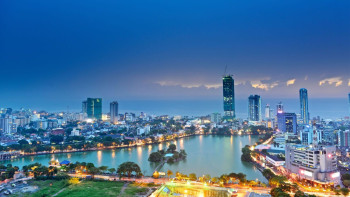
Best from December to April, with January to March the most settled. The sea is calm and clear, beach restaurants and boat trips run, and Galle Fort is pleasant to walk in the late afternoon. From May to September the south-west monsoon brings rough water and frequent showers; hotel rates drop sharply and the coast is green and quiet, which suits travellers who want a resort pool rather than the sea. Colombo works in any month as a one- or two-night stop.
East coast: Trincomalee, Nilaveli, Pasikudah, Arugam Bay
Best from about May to September, the exact opposite of the south. Pasikudah has a long shallow bay that suits children and non-swimmers, Nilaveli has Pigeon Island for snorkelling, and Arugam Bay is Sri Lanka's best-known surf beach, with its main surf season from about May to October. From November to January the north-east monsoon brings heavy rain and many smaller hotels close.
Hill country: Kandy, Nuwara Eliya, Ella, Horton Plains
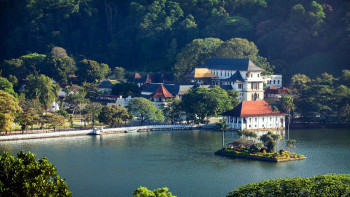
Good for most of the year, at its best from January to April. Kandy lies lower and is mild in any month. Nuwara Eliya's busiest time is the April "season" around the Sinhala and Tamil New Year, when hotels fill and prices rise. Horton Plains and World's End are clearest early in the morning from January to March; from May to September cloud often hides the view by 10 am. Ella, on the eastern side, can be clear when Nuwara Eliya is in mist.
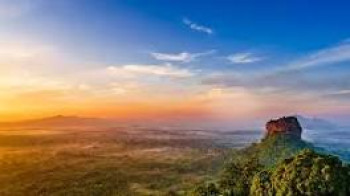
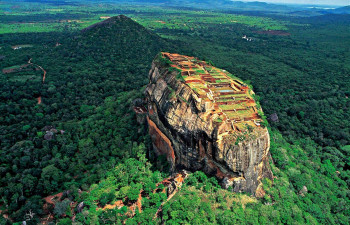
Cultural triangle: Sigiriya, Dambulla, Polonnaruwa, Anuradhapura
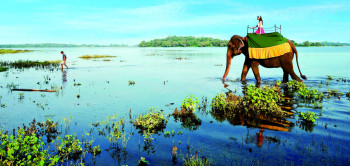
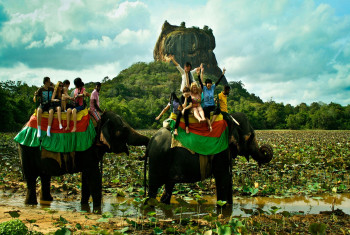
Dry and hot for much of the year, with most of its rain in October to December. Sigiriya's climb is best at opening time in any month, because the rock face heats up quickly. The plains are dry and dusty from June to September, which is also when elephants gather around the reservoirs at Minneriya and Kaudulla.
Jaffna and the north
Dry from about February to September, very hot in April to August, and wettest from October to December. Most Indian visitors combine Jaffna with Trincomalee in the summer months, or with Nallur temple during its festival in August–September.
Whales, elephants and leopards: wildlife seasons
| Wildlife experience | Season | Notes for 2026–27 |
|---|---|---|
| Whale watching, Mirissa (south coast) | About December to April, best January to March | Blue whales and spinner dolphins; early-morning boats of 3–5 hours; no regular trips from May to October because of rough seas |
| Whale watching, Trincomalee (east coast) | About March to August | Fewer boats and fewer sightings than Mirissa, but calm seas in the east-coast season; fits a summer trip |
| Yala National Park, leopards | Open most of the year; dry-season closure of the main blocks is common around September–October | In 2026 Blocks 1 and 2 closed from 14 September to 15 October because of drought, while other blocks stayed open; the 2027 closure has not been announced, so we confirm before booking September–October safaris |
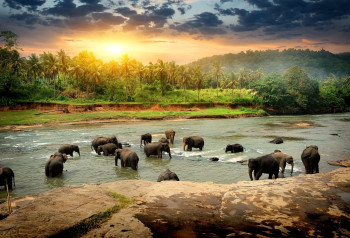
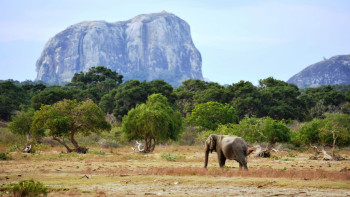
| Elephant gathering, Minneriya and Kaudulla | About July to October, peak August–September | Hundreds of elephants come to the shrinking reservoirs; afternoon jeep safaris from Sigiriya or Habarana |
| Udawalawe National Park | All year | Reliable elephant sightings; our usual substitute when Yala is closed |
| Wilpattu National Park | Best February to October | Quieter than Yala, leopards and sloth bears; road access suffers in the north-east monsoon |
| Turtle nesting, Kosgoda and Rekawa | Hatcheries year-round; wild nesting mostly in the dry months on the south coast | Visit a licensed hatchery or a ranger-led night watch at Rekawa |
A useful pairing: a February trip can include whales at Mirissa and leopards at Yala in the same week, because both sit on the south coast and are in season together. A summer trip trades those for the elephant gathering and the east coast.
Sri Lanka festivals and poya days, 2027
Every full moon is a poya day in Sri Lanka: a public holiday when Buddhists visit temples, alcohol is not sold in shops, bars or most hotel bars, and many businesses close. Hotels and trains near the big temples fill on poya weekends. Dates below are from the official 2027 holiday list.
| Festival or holiday | 2027 date (as of November 2026) | What it means for your trip |
|---|---|---|
| Thai Pongal | 15 January | Tamil harvest festival; colourful in Jaffna and Hindu temples island-wide |
| Duruthu Poya and the Kelaniya Perahera | 22 January (poya) | Night procession at the Kelaniya temple near Colombo around this full moon |
| Independence Day | 4 February | Parade in Colombo; some road closures |
| Sinhala and Tamil New Year | 13 – 14 April | The biggest holiday of the year: families travel, Nuwara Eliya is packed, many shops close for several days, buses and trains are full |
| Vesak Poya | 19 May, with 20 May also a holiday | Lanterns, light pandals and free food stalls (dansal) everywhere; Colombo is spectacular at night; liquor sales stop |
| Poson Poya | 18 June | Pilgrims fill Anuradhapura and Mihintale; book hotels there early or avoid |
| Esala Poya and the Kandy Esala Perahera | Esala Poya 18 July; Perahera dates not yet announced | The Temple of the Tooth sets the dates each year; the procession runs for about ten nights ending at a full moon in July or August. In 2026 it was held in August. We confirm the 2027 dates as soon as they are announced |
| Kataragama festival | Usually July–August, around the Esala full moon | Large pilgrimage to the Kataragama shrine near Yala; nearby hotels fill |
| Nallur festival, Jaffna | About 25 days, usually August–September | Jaffna's biggest Hindu temple festival, with a chariot procession; very popular with Tamil travellers from India |
| Deepavali | 28 October | Public holiday; celebrated in Colombo, the hill-country estates and the north |
Seeing the Kandy Perahera needs planning: seats along the route are sold by local operators and hotels in Kandy charge peak rates on the final nights. If you want to see it, tell us early and we hold a Kandy hotel once the dates are out.
Adam's Peak, the hill-country train and other timing details
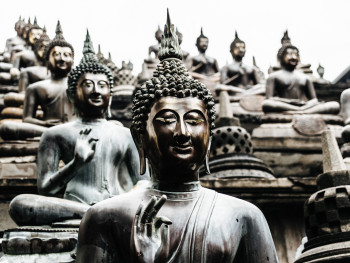
- Adam's Peak (Sri Pada): the pilgrimage season runs from the December full moon to Vesak in May (19 May in 2027). In season the path is lit and tea stalls are open, and climbers start around 2 am to reach the top for sunrise. Out of season the lights are off and the climb is not advisable. The climb is about 5,500 steps; for seniors we usually suggest a viewpoint instead.
- The Kandy–Ella train: the hill-country railway was badly damaged by Cyclone Ditwah and has reopened in stages during 2026. As of November 2026 some sections and services are running again while repairs continue, so we check which trains are running before promising seats and keep a car as the backup for that day.
- School holidays in Sri Lanka: local holidays in April, August and December fill hill-country and east-coast hotels with families on weekends.
- Surf seasons: the south coast (Weligama, Hiriketiya) for beginners from about November to April; Arugam Bay on the east coast from about May to October.
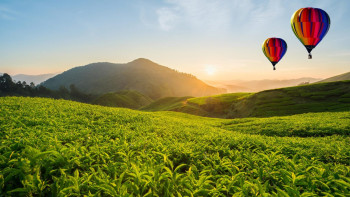
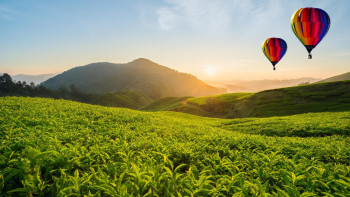
- Tea estates: plucking and factory tours run all year; the hills are greenest just after the rains, in July–August and January.
Fitting Sri Lanka into the Indian holiday calendar
| Indian holiday window | Sri Lanka weather | Where to go | Price picture |
|---|---|---|---|
| Diwali week, late October 2027 | Inter-monsoon storms island-wide | Kandy, Nuwara Eliya and Bentota, with flexible days; avoid long road days | Fares from India peak; Sri Lankan hotels moderate |
| Christmas to New Year | South coast drying out; east still wet | Colombo, Kandy, Nuwara Eliya, Bentota or Galle | Highest beach-hotel rates of the year; book 3 months ahead |
| Republic Day and February long weekends | The best weather of the year | The classic route: Sigiriya, Kandy, Nuwara Eliya, the south coast | Medium; good value for the weather |
| Holi and March | Dry almost everywhere, getting hot | Any region, including Yala and Mirissa whales | Medium |
| Summer break, May to mid-June | Wet south-west; dry east and north | Kandy, Ella, then Trincomalee or Pasikudah | South-coast hotels cheap; fares from India high |
| Ganesh Chaturthi, Onam and August weekends | East and north dry; elephants gathering | Sigiriya, Minneriya, Trincomalee, Jaffna | Medium |
The Ramayana trail, a frequent request from Indian families, works in any season because its key sites (the Seetha Amman temple at Seetha Eliya near Nuwara Eliya, linked with Ashok Vatika, Ravana Falls near Ella, Munneswaram near Chilaw) sit on routes that are passable year-round. In May and June we start the hill-country days early to beat the mist.
Sample routes for each season
December to April: the classic west-and-south loop (7 nights)
Colombo or Negombo 1 night, Sigiriya 2 nights (rock fortress, Dambulla caves, Polonnaruwa or a Minneriya safari), Kandy 1 night, Nuwara Eliya 1 night, then Bentota or Galle 2 nights. Add Yala or Mirissa with one more night from January to March.
May to September: hills plus the east coast (7 nights)
Colombo 1 night, Kandy 2 nights, Sigiriya 1 night with an afternoon elephant safari, then Trincomalee or Pasikudah 3 nights for the beach, snorkelling at Pigeon Island and, from March to August, a whale trip from Trincomalee. Ella and Arugam Bay make an alternative eastern leg for active couples.
October to November: a short, flexible trip (4–5 nights)
Kandy 2 nights and Nuwara Eliya 1 night, with Colombo or Bentota at the end. Fewer long drives, a spare day, and hotels chosen for good indoor space. Late November is often better than October as the south coast begins to dry.
Best time to visit Sri Lanka for each kind of traveller
| Traveller | Best window | Why | Watch out for |
|---|---|---|---|
| Honeymooners | January to March (south coast) or June to August (east coast) | Calm sea and sunsets on the coast that is in season | Christmas week prices; April New Year crowds in the hills |
| Families with children | February to April, or June to August with Pasikudah | Shallow, calm water on the right coast; dry weather for Sigiriya | Long drives; rough west-coast sea in summer |
| Senior citizens | January to March | Cooler mornings for temples and gardens; dry roads in the hills | Cold nights in Nuwara Eliya; Sigiriya's steep steps |
| Wildlife lovers | February to April (Yala, whales) or August to September (elephants) | Peak seasons for the big sightings | Possible Yala block closures in September–October |
| Pilgrims and culture travellers | Vesak in May, or the Perahera in July–August | Sri Lanka at its most festive | Poya-day closures and full hotels in Kandy and Anuradhapura |
| Budget travellers | May to September on the south-west coast, outside Indian holiday weeks | Beach hotels at their lowest rates | Rough sea; book hotels with good pools |
Entry, packing and how we plan it
- Entry: as of November 2026, Indian passport holders get the tourist Electronic Travel Authorisation (ETA) free of charge, a rule in place since 25 May 2026. It is still required and must be approved before you fly. Details are in our Sri Lanka visa for Indians guide. We prepare and submit the application; approval is the Sri Lankan authorities' decision.
- Packing: cotton clothes for the coasts, a warm jacket for Nuwara Eliya and Horton Plains at dawn, a light rain jacket in any month, leech socks for rainforest walks such as Sinharaja, and white or light clothes that cover shoulders and knees for temples, where shoes and hats come off.
- Food: rice and curry is largely vegetable-based and South Indian vegetarian restaurants exist in Colombo and Kandy. Outside the big towns Jain meals need advance arrangement with the hotel, which we confirm in writing.
Every Sri Lanka trip we arrange is private: your own car and English-speaking driver, a route matched to the coast that is in season, pacing for grandparents or toddlers, and a spare day in the inter-monsoon months. Our team plans it from the C G Road office in Ahmedabad, where Vibrant Holidays has worked for 11 years, and you can book on WhatsApp or phone from any Indian city, with round-the-clock support during the trip. Vibrant Holidays is IATA-accredited, a member of TAAI, TAFI, ADTOI and IATO, and recognised by the Ministry of Tourism, Government of India.
Departure-city details, including the non-stop flights to Colombo, are on pages such as Sri Lanka from Chennai, Sri Lanka from Bengaluru and Sri Lanka from Delhi. Ready itineraries with live prices are on our Sri Lanka tour packages page.
Plan your trip with Vibrant Holidays
Tell us your dates, budget and who is travelling. We reply with a day-wise plan and a clear price, usually the same day.
Get a Free Quote WhatsApp 9089090790Best Time to Visit Sri Lanka: FAQs
Which is the best month to visit Sri Lanka?
February is the best single month: the west and south coasts, the hill country and the cultural triangle are all mostly dry, and the east coast is drying out. Late January to early April is the widest good window. From May to September the east coast is the better beach choice.
Which months should I avoid in Sri Lanka?
October and November are the weakest months, because inter-monsoon storms can affect the whole island and cyclones are possible, as in late November 2025. Even then, short trips to Kandy and Bentota work with flexible plans. May and June are poor only for the south-west beaches.
Is Sri Lanka good to visit in May and June?
Yes, with the right route. The south-west monsoon makes Galle, Bentota and Mirissa wet and rough, but the east coast around Trincomalee and Pasikudah is dry and calm, Sigiriya is mostly fine, and Vesak falls on 19 May 2027. South-coast hotels are at their cheapest.
When is whale watching season in Sri Lanka?
At Mirissa on the south coast, roughly December to April, best January to March, with blue whales and dolphins. At Trincomalee on the east coast, roughly March to August. Mirissa boats stop from May to October because of rough seas, so summer travellers use Trincomalee instead.
Is Yala National Park closed in September?
Often partly. In 2026 Blocks 1 and 2, the main leopard areas, closed from 14 September to 15 October because of drought, while other blocks stayed open. The 2027 closure has not been announced. For September or October trips we confirm the dates or use Udawalawe instead.
When is the Kandy Esala Perahera in 2027?
The dates have not been announced as of November 2026. The Temple of the Tooth sets them each year; the procession runs for about ten nights and ends on a full moon in July or August. The Esala Poya falls on 18 July 2027. We confirm dates as soon as they are published.
When is Vesak in Sri Lanka in 2027?
Vesak Poya falls on Wednesday 19 May 2027, and Thursday 20 May is also a public holiday. Colombo and other towns are decorated with lanterns and light displays, and free food stalls appear on the streets. Liquor is not sold on poya days and many shops close.
Is December a good time to visit Sri Lanka?
Yes for the south and west coasts from about mid-December, and for Kandy and Nuwara Eliya, which are improving. The east coast and the north are wet. Christmas to New Year is the most expensive beach period, so book about three months ahead.
When is the best time to visit Nuwara Eliya and Ella?
January to April is the best period for both, with clear mornings for Horton Plains and the tea estates. Nuwara Eliya is busiest around the Sinhala and Tamil New Year on 13 and 14 April. Nights can be cold in January and February, so pack a warm jacket.
Is the Kandy to Ella train running?
The hill-country railway was damaged by Cyclone Ditwah in late November 2025 and has reopened in stages through 2026. As of November 2026 some sections and services are running while repairs continue. We check which trains are operating before booking seats and keep a car as the backup.
Do Indians need a visa for Sri Lanka in 2026?
Indians need a tourist Electronic Travel Authorisation, applied for online before travel, but as of November 2026 it is free of charge, a rule in place since 25 May 2026. It allows 30 days. We prepare and submit the application; approval rests with the Sri Lankan authorities.
What is the cheapest time to visit Sri Lanka from India?
May to September on the south-west coast brings the lowest beach-hotel rates, and outside the Indian summer break, July to September also brings lower fares. You trade calm seas for a green, quiet coast. October to November is cheap too, but the weather is the least reliable.
