Best Time to Visit Munnar: Tea Hills, Frost, Mist and Monsoon
Munnar sits 1,600 metres up in the Western Ghats, so it follows its own calendar: cold, clear winters with frost on the tea, busy summers when the plains are hot, and a long, heavy monsoon.
The best time to visit Munnar is September to May. Within that, December to February gives the clearest views and cold, sometimes frosty mornings; September to November shows the tea estates at their greenest just after the rains; and April and May are warm and pleasant while the rest of South India is hot, which is why they are also the busiest. June to August is the monsoon, when Munnar is misty and cheap but roads can be restricted on heavy-rain days.
Two dates matter more in Munnar than anywhere else in Kerala. Eravikulam National Park, home of the Nilgiri tahr and the hill town's main sight, closes every year for the calving season, usually through February and March. And the famous Neelakurinji bloom that turns the hills blue comes only once in about twelve years, next expected around 2030. This guide covers Munnar alone: a month-by-month table, the park closure, frost, mist at Top Station, the tea estates through the year, the monsoon and the crowd weeks, checked as of November 2026. For the whole state, see our best time to visit Kerala guide.
Updated November 2026 by the Vibrant Holidays team, Ahmedabad.
Holiday packages for the places in this guide
Our latest matching packages on Vibrant Holidays — 3 to 13 nights. Every package can be customised for departure from your city.









Munnar month by month
Day high and night low for Munnar town, rounded. The higher estates around Top Station, Kolukkumalai and Sevenmallay are several degrees colder on winter nights.
| Month | Day / night | Weather | Eravikulam | Crowds | Pick it for |
|---|---|---|---|---|---|
| January | 22°C / 9°C | Dry, clear; frost at dawn on the high estates | Open (until the closure starts) | High in the first week, then moderate | Sunrise views, cold mornings |
| February | 23°C / 10°C | Dry and sunny; hazy afternoons begin | Usually closed | Moderate | Quiet couples' trips |
| March | 25°C / 12°C | Warm days, the driest month | Usually closed | Low | Value, tea-estate walks |
| April | 25°C / 14°C | Warm; evening thunderstorms start | Reopens, often on 1 April, with newborn tahr | Rising | Tahr calves, families |
| May | 24°C / 15°C | Pleasant, showery late in the month | Open; long queues | Highest of the year | School-holiday escape from the heat |
| June | 21°C / 15°C | Monsoon arrives; heavy rain | Open, but views often lost in cloud | Low | Waterfalls, low rates |
| July | 20°C / 15°C | Wettest weeks; landslide risk | Open, may close on alert days | Lowest | Only flexible, rain-loving travellers |
| August | 20°C / 15°C | Heavy rain easing late; Onam crowds in some years | Open | Low, busy over Onam | Mist and greenery |
| September | 21°C / 14°C | Rain fading; estates bright green | Open | Busy around Onam, otherwise moderate | Green landscape at fair rates |
| October | 21°C / 14°C | Afternoon showers from the north-east monsoon | Open | Moderate; Puja and Diwali holidays | Families, couples |
| November | 21°C / 13°C | Showers ending; nights turning cold | Open | Moderate | Honeymoons, seniors |
| December | 21°C / 10°C | Dry, cold nights, clear mornings | Open; queues of 2–3 hours on peak days | Very high from about 20 December | Christmas, New Year, frost |
Eravikulam National Park and the tahr calving closure
Eravikulam, at Rajamalai about 15 km from Munnar town, protects the largest population of the endangered Nilgiri tahr, a mountain goat found only in the Western Ghats. Every year the Kerala Forest Department closes the tourist zone while the tahr give birth.
- When: usually from 1 February to the end of March. In 2026 the park closed on 1 February and reopened on 1 April. The 2027 dates had not been announced as of November 2026; the department usually confirms them a few weeks before, so check once your dates are fixed.
- Why April is special: in the first weeks after reopening, visitors often see young calves with their mothers close to the road.
- Visiting: private vehicles stop at the gate; forest department buses take you up to the tahr zone, and the last stretch is on foot along a sloping paved path. Reported 2026 ticket prices were about ₹125 – 200 for an Indian adult, with extra charges for cameras. The park runs from about 7:30–8 am to 4 pm.
- Beat the queue: from November to January and in May, queues for tickets and buses can reach two to three hours by late morning. Book online and reach the gate by about 8 am, when the mist is lifting and the tahr are active.
- If your dates fall in the closure: Munnar is still worth visiting. We replace Eravikulam with a sunrise jeep ride to Kolukkumalai, a tea-estate walk, the tea museum and the drive to Top Station.
Winter frost and the coldest weeks
Munnar does not get snow, but on clear winter nights the grass and the tops of the tea bushes on the high estates freeze white. This frost season has become a draw of its own, especially for travellers from Kerala and Tamil Nadu who rarely see temperatures near zero.
- Where: the coldest readings come from the estates rather than the town: Sevenmallay, Chenduvara, Lakshmi, Chittuvara and the area around Kundala and Mattupetty. Sevenmallay and Chenduvara have recorded sub-zero mornings in recent winters.
- When: late December to January is the usual frost window. The 2026–27 cold season started early: on 30 October 2026 Munnar town recorded 6°C, Kundala and Mattupetty 8°C, and some estates below 5°C, with forecasts of sub-zero readings in the following weeks.
- How to see it: frost melts within an hour of sunrise. Stay at a property in or near the estates, start at dawn, and dress for 0–5°C, which surprises many visitors who pack for a Kerala holiday.
- Daytime: even in the coldest weeks afternoons reach about 20°C under a strong sun, so layers work better than one heavy coat.
Top Station, Kolukkumalai and the mist: views by season
Many of Munnar's best sights are viewpoints, so the weather decides whether you see a valley or a white wall. Here is how the main ones change through the year.
| Viewpoint | Best months | What to expect |
|---|---|---|
| Top Station (about 32 km, on the Kerala–Tamil Nadu border) | December to March, early morning | Clear views down to the Tamil Nadu plains; a sea of cloud below you on many winter mornings |
| Kolukkumalai sunrise (jeep from Suryanelli) | December to April | Sunrise over layers of hills from one of the highest tea estates; very cold before dawn in winter |
| Echo Point, Mattupetty, Kundala | September to May | Lakes and estates at their best after the rains; boating closed on some heavy-rain days |
| Lockhart Gap and the Gap Road | September to March | Dramatic valley views; in the monsoon cloud and landslides can shut the road |
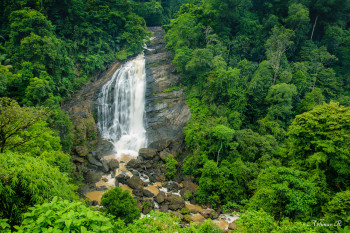
| Waterfalls (Attukal, Lakkam, Cheeyappara, Valara) | July to October | Full and powerful after the monsoon; thin by April |
From September to November, mist tends to roll in by early afternoon, so we schedule viewpoints in the morning and tea factories or the museum after lunch. In the monsoon, views come in short windows between showers.
Neelakurinji: when the hills turn blue
Neelakurinji (Strobilanthes kunthiana) is a shrub that covers the grasslands around Munnar and flowers en masse only once in about twelve years. The last mass bloom was in 2018, from August to October, when Eravikulam and the slopes around Rajamalai turned blue and drew very large crowds.
- Next mass bloom: expected around 2030, going by the twelve-year cycle and Kerala Tourism's own forecasts. It will not happen in 2026 or 2027.
- Small and other blooms: patches of Kurinji flower in some years. In August 2026 parts of the Munnar hills had colourful Kurinji blooms, reportedly of a different variety, not the twelve-year Neelakurinji.
- Planning for 2030: when the bloom comes, the season will run roughly from August to October, rooms will sell out months ahead and the Forest Department will limit visitor numbers. We will update this guide once dates are announced.
Tea estates through the year
Munnar's tea is plucked through most of the year, so a tea-estate visit works in any month, but the look of the hills changes.
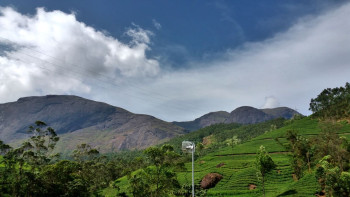
- September to November: new growth after the monsoon makes the bushes the brightest green of the year, the classic Munnar photograph.
- December to February: slower growth in the cold; frost can scorch the top leaves on the highest estates, which planters dislike but photographers love.
- March to May: dry, dusty paths and a duller green, but comfortable for walks and factory tours.
- Monsoon: lush and misty; walks are slippery and leeches appear on grassy paths, so carry salt or leech socks.
- Evening walks: from September 2026 the Idukki administration has restricted movement inside plantations next to forest areas between 6 pm and 6 am because of wildlife conflict. Main roads stay open, but plan estate walks for daylight.
The tea museum in town explains processing all year and is a good rainy-day stop.
Monsoon in Munnar: what June to August is really like
The south-west monsoon usually reaches Munnar in early June and stays heavy through July and much of August. The hills receive far more rain than the coast, and the district administration acts quickly when the weather office issues alerts.
- Night travel bans: on orange and red alert days Idukki district has repeatedly banned night travel on hill roads, usually from 7 pm to 6 am. On 7–8 June 2026, for example, a ban was in force across the district's hilly areas.
- Gap Road: the scenic stretch between Munnar and Devikulam towards Bodimettu has been closed after landslips in past monsoons, sometimes for days.
- What still works: waterfalls, misty drives in daylight, resorts with views and fireplaces, Ayurveda treatments, and low rates, often 30–40% below winter.
- How we plan it: arrive in daylight, keep the Kochi–Munnar drive to the morning, stay three nights in one place, and keep a spare half-day for weather.
If you want the monsoon greens without the heaviest rain, late August and September are the better compromise.
Crowd weeks: when Munnar fills up
| Period | Who comes | What to expect |
|---|---|---|
| May (school holidays) | Families from Kerala, Tamil Nadu, Karnataka and across India | The busiest month: full resorts, long Eravikulam queues, traffic in town |
| Onam (Thiruvonam on 12 September 2027) | Kerala families on the state holiday | Heavy traffic for about a week; in 2026 road widening on the Kochi–Madurai highway near Old Munnar added to delays |
| Puja holidays (around 5–9 October 2027) | Travellers from West Bengal and eastern India | Busy first half of October |
| Diwali (29 October 2027) and Gujarat's Diwali vacation | Families from Gujarat, Maharashtra and the north | Busy; book well ahead |
| 20 December – 2 January | Everyone | Highest rates of the year, gala dinners, 2–3 hour queues at Eravikulam |
| Pongal (mid-January) and long weekends | Visitors from Tamil Nadu and Kochi | Short weekend spikes |
The quietest good-weather weeks are mid-November to mid-December, the second half of January and, if you can skip Eravikulam, March.
Best time to visit Munnar by type of traveller
| Traveller | Best time | Why |
|---|---|---|
| Honeymooners | Mid-November to mid-December; January | Cold, clear evenings, valley-view rooms at fair rates outside the Christmas peak |
| Families with children | April to May; October | School holidays, open park, tahr calves in April; book early |
| Senior citizens | September to November; March | Mild weather, dry paths, fewer queues; Eravikulam involves a sloping walk |
| Nature and wildlife lovers | April (calves); December to January (clear views) | Tahr, birds, frost and sunrise viewpoints |
| Budget travellers | June to September | Lowest rates; accept rain and possible road restrictions |
Munnar is usually part of a wider Kerala trip with Thekkady, the Alleppey backwaters and Kochi. For costs see our Kerala trip cost guide; for routes from Gujarat, our Kerala tour packages.
How we plan Munnar around the season
Vibrant Holidays has planned Kerala holidays from our C G Road office in Ahmedabad for 11 years. Every trip is private and customised: your own car and driver, your own hotels and dates.
- Closure-aware plans: Eravikulam swapped for Kolukkumalai or Top Station in calving weeks; early-morning park slots in peak weeks.
- Hotels chosen for the season: heating and estate locations for frost season; resorts close to town in the monsoon.
- Daylight driving on the ghat roads, with drivers who check alerts each morning.
- Pure-veg and Jain meals confirmed in writing on every voucher.
- 24×7 support on tour; office open Monday to Saturday. IATA-accredited; member of TAAI, TAFI, ADTOI and IATO; recognised by the Ministry of Tourism, Government of India.
See our Kerala tour packages or honeymoon packages, or call 1800-313-4262.
Plan your trip with Vibrant Holidays
Tell us your dates, budget and who is travelling. We reply with a day-wise plan and a clear price, usually the same day.
Get a Free Quote WhatsApp 9089090790Best Time to Visit Munnar: FAQs
Which is the best month to visit Munnar?
December and January give the clearest views and cold, frosty mornings. October and November show the tea at its greenest with fewer crowds. April is good for seeing newborn Nilgiri tahr when Eravikulam reopens. May is pleasant but the busiest month, and June to August is the heavy monsoon.
When is Eravikulam National Park closed?
It closes every year for Nilgiri tahr calving, usually from 1 February to the end of March. In 2026 it reopened on 1 April. The 2027 dates were not announced as of November 2026; the Forest Department confirms them shortly before, so check the official notice once your dates are fixed.
Does it snow in Munnar?
No. Munnar does not get snow, but on clear nights in late December and January the high tea estates such as Sevenmallay and Chenduvara can drop to zero or below, and frost turns the grass and tea bushes white at dawn. It melts within an hour of sunrise.
When will Neelakurinji bloom next in Munnar?
The next mass bloom is expected around 2030, twelve years after the 2018 bloom. Small patches of Kurinji flower in some years, and in August 2026 parts of the Munnar hills had a bloom reported to be a different variety, but the famous blue hillsides will not return in 2026 or 2027.
Is it good to visit Munnar in the monsoon?
It suits flexible travellers who enjoy rain, mist and waterfalls, and rates are at their lowest. But views are often hidden, estate paths are slippery, and on alert days Idukki district bans night travel on hill roads. Late August and September give the green look with less risk.
How cold is Munnar in December and January?
Days reach about 20 to 22°C, but nights in town fall to about 8 to 10°C, and the high estates can drop to around zero. Pack a warm jacket, a cap and socks for early mornings, and lighter layers for the afternoons.
Is May a good time to visit Munnar?
The weather is pleasant, with days around 24°C while the plains are hot, but May is the busiest month because of school holidays. Expect full resorts, traffic and long queues at Eravikulam. Book six to eight weeks ahead and reach the park gate by about 8 am.
What is the best time to visit Top Station?
December to March, early in the morning. On clear winter mornings you can see far down into the Tamil Nadu plains or look over a sea of cloud. From September to November mist usually rolls in by early afternoon, and in the monsoon the view is often completely hidden.
How many days are enough for Munnar?
Two nights cover Eravikulam, Mattupetty, the tea museum and Top Station. Three nights let you add a Kolukkumalai sunrise, a tea-estate walk and a relaxed day, which helps in the monsoon or the busy weeks. Most travellers combine Munnar with Thekkady and Alleppey.
Is Munnar good for a honeymoon in winter?
Yes. Mid-November to mid-December and January bring cold, clear evenings, misty mornings and valley-view rooms, and outside the Christmas fortnight rates are fair. Pair two or three nights in Munnar with a houseboat night in Alleppey for the classic Kerala honeymoon.
When is Munnar most crowded?
May, the Christmas to New Year fortnight, the Onam week (Thiruvonam is on 12 September 2027), and the Puja and Diwali holidays in October. Long weekends bring short spikes from Kochi and Tamil Nadu. Mid-November to mid-December and late January are the quiet good-weather windows.
